







19th June 2026
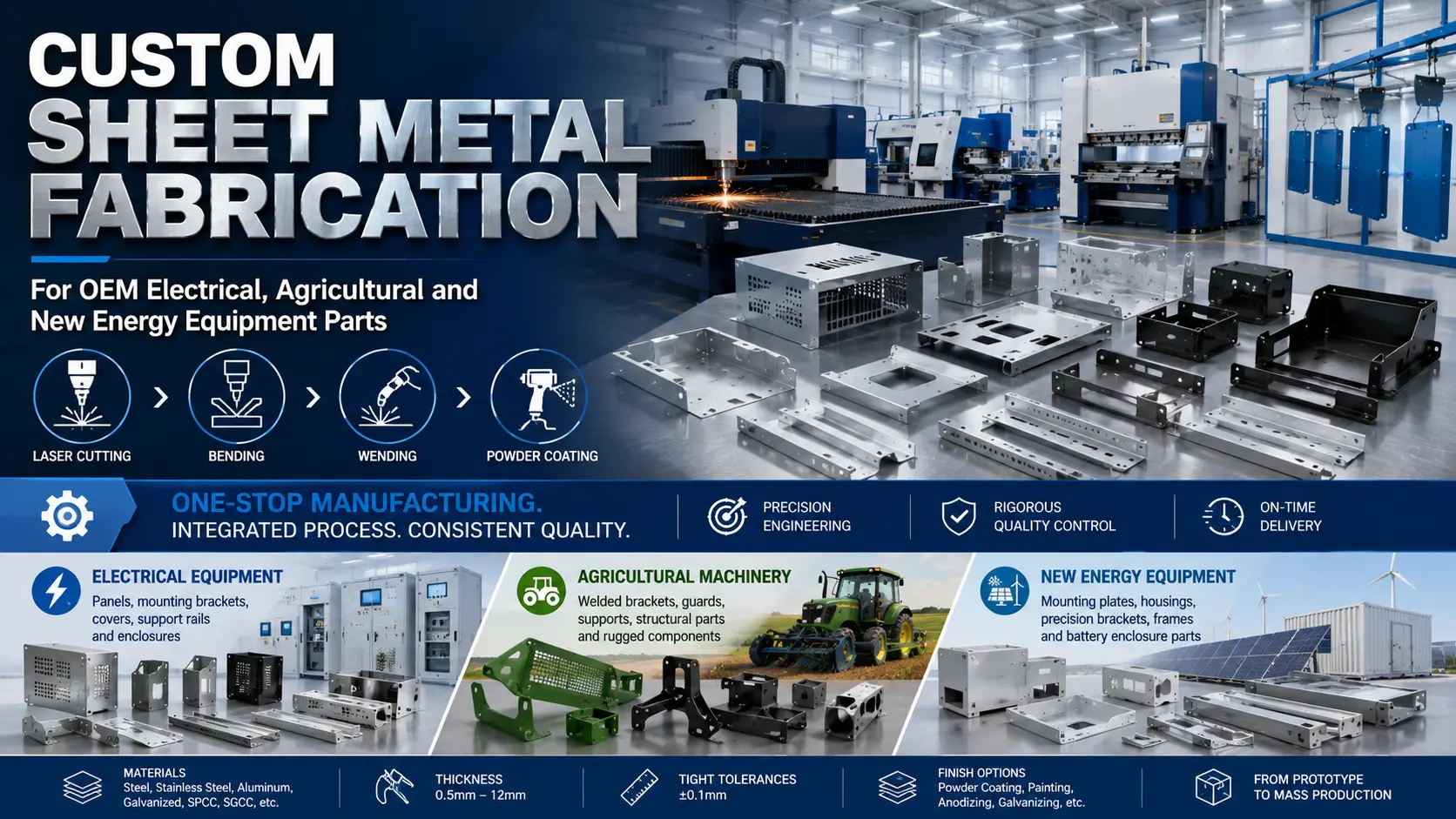
Custom Sheet Metal Fabrication for OEM Electrical, Agricultural and New Energy Equipment Parts
OEM buyers need more than just simple cutting and bending. One part of electrical equipment, agricultural machinery or new energy equipment could involve laser cutting, CNC punching, bending, riveting, welding, grinding, surface finishing, sand blasting, powder coating, painting, inspection and assembly. All these processes can be separated and handed over to different suppliers. As a result small delays and differences in quality can quickly lead to late launch, higher logistics costs and uncertainty as to who is responsible when a part does not fit.
For many purchasing departments, there is now a real need to source an integrated sheet metal fabrication supplier rather than a variety of single-process workshops. In terms of cost, purchasing metal in bulk at the lowest price per part is the primary goal; in terms of management, the main objective is to reduce the number of contacts required to manage the supplier. Above all, the aim is to cut lead times, improve inter-batch consistency, and ensure that producing custom OEM sheet metal parts as drawings, is made as easy as possible and remains stable over time in production.
Why OEM Buyers Need More Than Basic Sheet Metal Cutting
Different types of products demand different things from their fab partner. Electrical metal parts for example may require precise sized holes, square cut edges, strong mounting points and a good surface finish post fabrication that allows for reliable assembly. A small error in hole positioning can cause problems with mounting of terminals and brackets.
Sheet metal parts for agricultural machinery and new energy equipment have very different fields of application. On the one hand, there is the possibility of vibration and outdoor use, on the other, exposure to mud and impacts. Furthermore, many of these parts are subject to mechanical stress, which is constantly changing. While strength, the quality of the welds and the coating as well as the design of a part are crucial for agricultural machinery, the appearance of the part is less important for new energy equipment metal parts. They primarily require constant dimensions on the surface, effective surface protection and process control for identical parts in different batches. Parts are used in frames, mounting plates, brackets, covers and protective housings.
A supplier who understands these use cases can review drawings before production, can point out issues with the part’s manufacturability, and can select a better production route before the costs of creating tooling, welding, or coating are “stuck” in production.
Key Processes in Custom Sheet Metal Fabrication
Laser Cutting and CNC Punching
Laser cutting is typically used to make custom industrial sheet metal parts, such as those with complex shapes, with holes, slots, etc. or for low-to-medium volume production. CNC punching is used to make parts with lots of repetitive features. For OEM sheet metal parts, this is the first stage of production and can have a large impact on the rest of the process. Inaccurate cutting can cause problems when bending, cause parts to not fit together, and lead to additional work when coating the part.
The sheet metal workshop of Chuangkai offers a variety of different materials. So stainless steel, carbon steel, silicon steel, aluminum alloy, galvanized sheet and aluminum-zinc coated sheet are offered for custom sheet metal fabrication. For production of various sheet metal components such as electrical equipment metal parts, machinery sheet metal parts and other industrial metal parts custom fabrication can be of value when different strength, weight and corrosion resistance and cost targets have to be achieved.
Bending, Forming and Riveting
Bending creates angles, checks for flatness and for fit. A seemingly simple part such as a bracket can fail to assemble if the bend radius, the material thickness or the forming sequence has not been thought out. As mounting holes and edges are bent, they must remain rigid to match up with other parts that have been machined or otherwise formed as sheet metal. For projects such as electrical equipment and machinery, it is crucial to plan ahead for the bending process.
Riveting is typically used to secure threaded inserts, nuts, studs and other fastening points. Rather than using unnecessary welding, properly riveting these areas helps to reduce heat distortion and increases the efficiency of the assembly process. A loose rivet or damaged thread may not be apparent during a visual inspection but can cause problems during field assembly.
Welding, Grinding and Structural Strength
Services in welding of sheet metal are required for frames, reinforced parts, equipment covers, holders and other welded sheet metal parts for agricultural and industrial machinery. Quality of welding is important for strength, appearance and coating. Excessive heat causes distortions. A poor design of fixture for welding can affect dimensions. Coarse grinding creates surface waves that become visible after coating with powder or after painting.
To form a complete part, welding should be treated as a process in engineering as much as joining. For various parts made of carbon steel, stainless steel and aluminum alloys, Chuangkai’s fabrication capability encompasses of robotic welding, laser welding, shielded metal arc welding, argon arc welding and gas-shielded welding to match with part geometry, tensile strength requirements, part production volume and surface finish.
Powder Coating, Painting and Surface Finishing
Surface finishing is often where a metal part becomes a finished OEM component. Powder coating for metal parts improves corrosion resistance, wear resistance, appearance consistency, and edge protection. Painting may be selected for specific appearance or application requirements. For agricultural machinery and new energy equipment, surface protection can influence long-term reliability in outdoor or semi-outdoor environments.
A good finishing process can also save buyers from some hidden costs. When a coating does not stick well to a coating, it may look fine when inspected, but then fail when being packed, shipped, installed, or being used in the field. In order to keep parts’ fabrication and finishing under one production stream, Chuangkai’s Sheet Metal Fabrication and Powder Coating Services can handle automatic powder coating as well as other processes such as manual powder coating for large items, manual painting for large items, etc. as well as surface preparation for these types of paint finish.
Sheet Metal Parts for Electrical Equipment
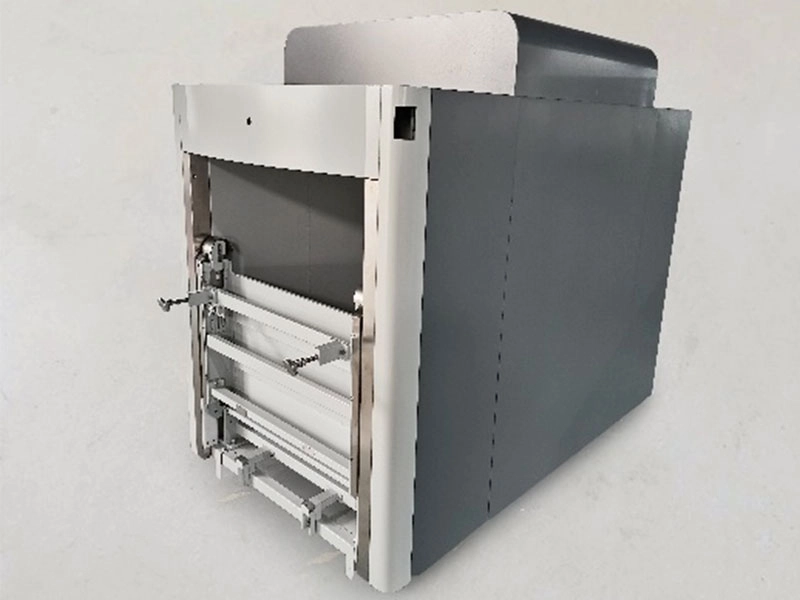
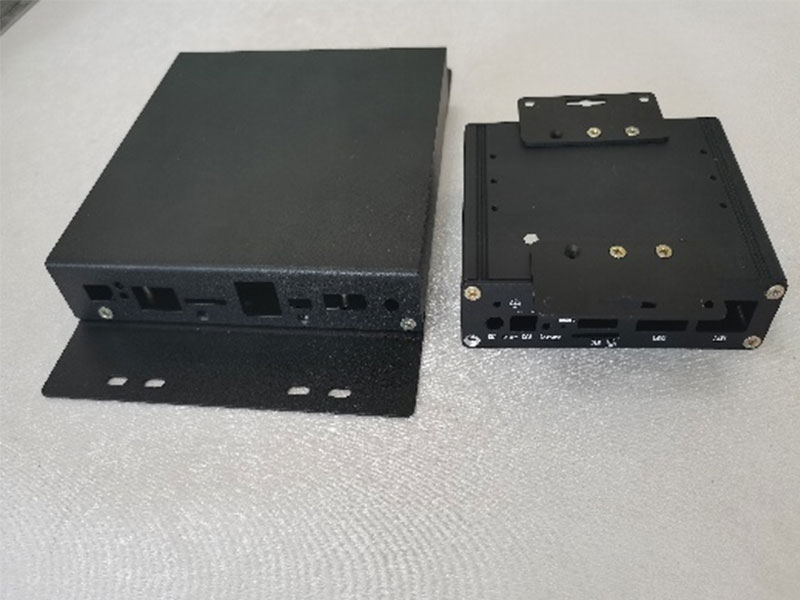
The metal parts of electrical equipment are generally manufactured to a high standard of finish and of dimensions that can be accurately reproduced. These parts can be of relatively small dimensions but will contain a high number of details that serve a function within the overall equipment. The components would include items such as mounting brackets, connection plates, fixed equipment panels, equipment support rails, equipment covers, heat dissipation equipment and various items of equipment housing that are fabricated from sheet metal and are of a formed configuration.
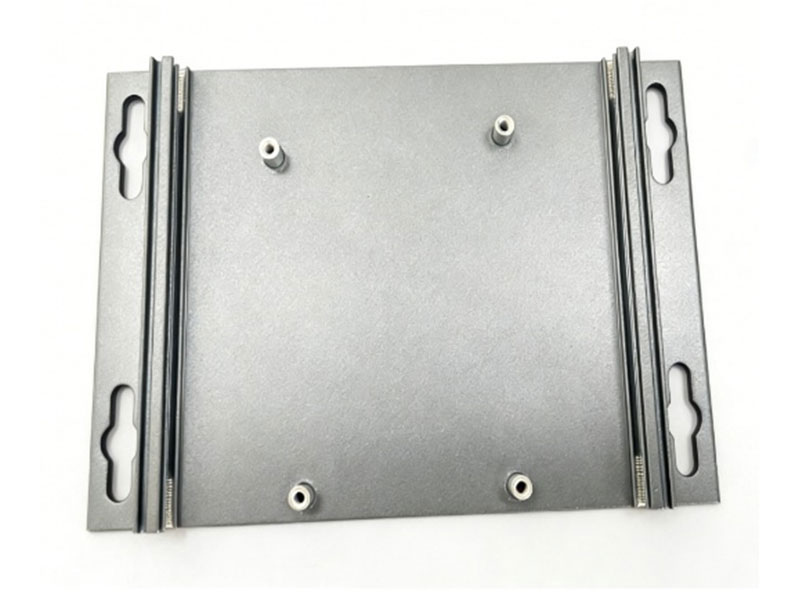
To give a practical example: a mounting plate has several hole groups to match with e.g. fasteners, insulation parts, terminals and other kind of assemblies. One bending and a later change of a feature and not taking the coating thickness into account easily leads to troubles in the assembly. A supplier who is able to offer cutting, bending, riveting, coating and the corresponding inspections within one system is able to recognize problems like these earlier and consequently reduces the amount of rework needed for a batch.
Sheet Metal Structures for Agricultural Machinery
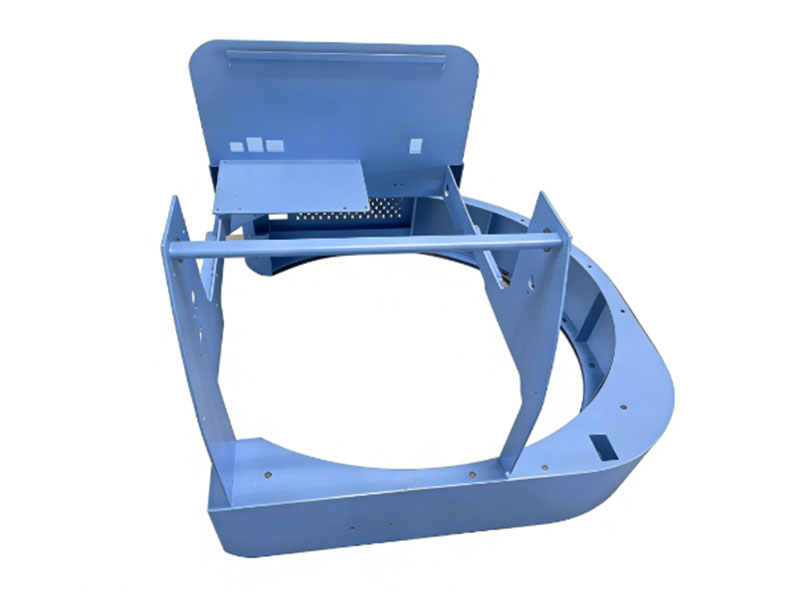
Agricultural machinery sheet metal parts are generally judged on their durability. A good paint job is not enough when the basic structure of the part is not strong enough. This includes: brackets, guards, covers, supports and all other types of welded metal structures that are part of farm equipment. They are subjected to constant vibration, dirt, impacts, rain and long working hours in the field.
Materials, bend direction, weld position, reinforcement, coating and inspection points all impact reliability. For highly stressed details, the welding sequence and fixture control are critical. A reliable supplier knows that for farm equipment users downtime translates to stress and therefore a supplier who consistently meets production quality at a competitive price is far more valuable than one who only offers the lowest initial price.
Metal Components for New Energy Equipment
Metal components for new energy equipment projects need to have a combination of features: precision, corrosion resistance, process traceability. Items can include: brackets, mounting plates, protective housings, frames, various connecting parts. As a rule, buyers of such large-scale projects are interested not only in producing prototypes in time, but also in ensuring long-term supply, in having necessary documentation and in quality control.
Zhejiang Chuangkai Mechanical and Electrical Technology Co., Ltd. was established in 2003. Based on many years’ production experience, Chuangkai has integrated sheet metal processing, stamping, machining, surface treatment, etc. into one-stop assembly service. With 13,500 square meters factory area, Chuangkai holds ISO9001, ISO14001 and ISO45001 etc. quality management certifications and can supply OEM metal parts to customers for making electrical components, agricultural machinery and new energy equipment etc. products.
How One-Stop Sheet Metal Fabrication Reduces Cost and Lead Time
When laser cutting, bending, welding, coating and assembling are distributed across several suppliers, buyers are paying for more than just the part. They are also paying for time spent on transportation, communication, inspection, packaging etc. If a welded part does not fit after coating, the cutting supplier may blame the bending supplier, the bending supplier may blame the welding supplier and the coating supplier may not want to rework the part because it would damage the surface.
Eliminating handoffs between departments, a one-stop sheet metal fabrication supplier enables drawing review, production routing, process inspection, surface finishing, and packaging to all be managed within one quality framework. For the OEM buyer this means fewer emails, fewer transfer points and clear responsibilities when a design change is required.
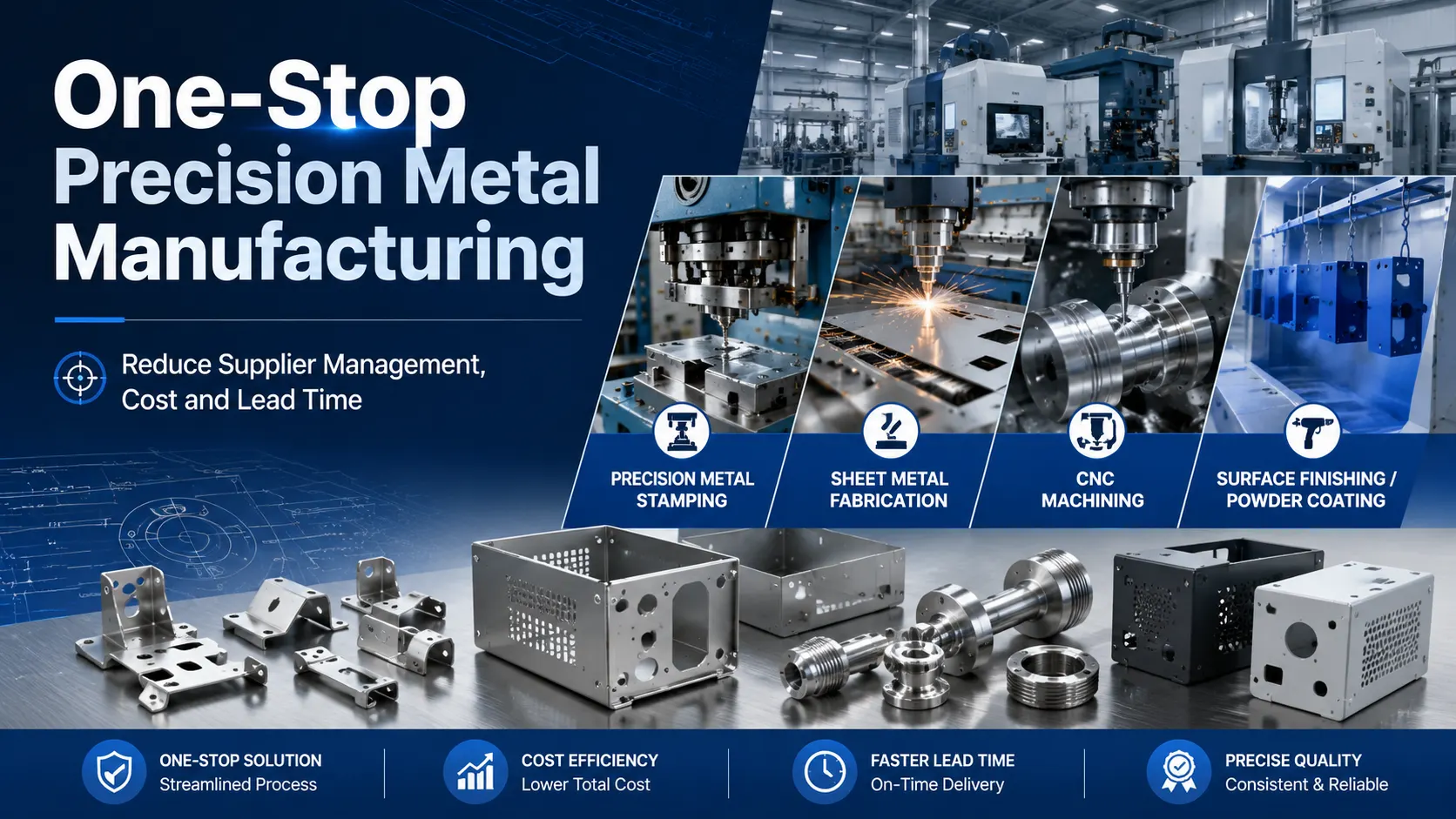
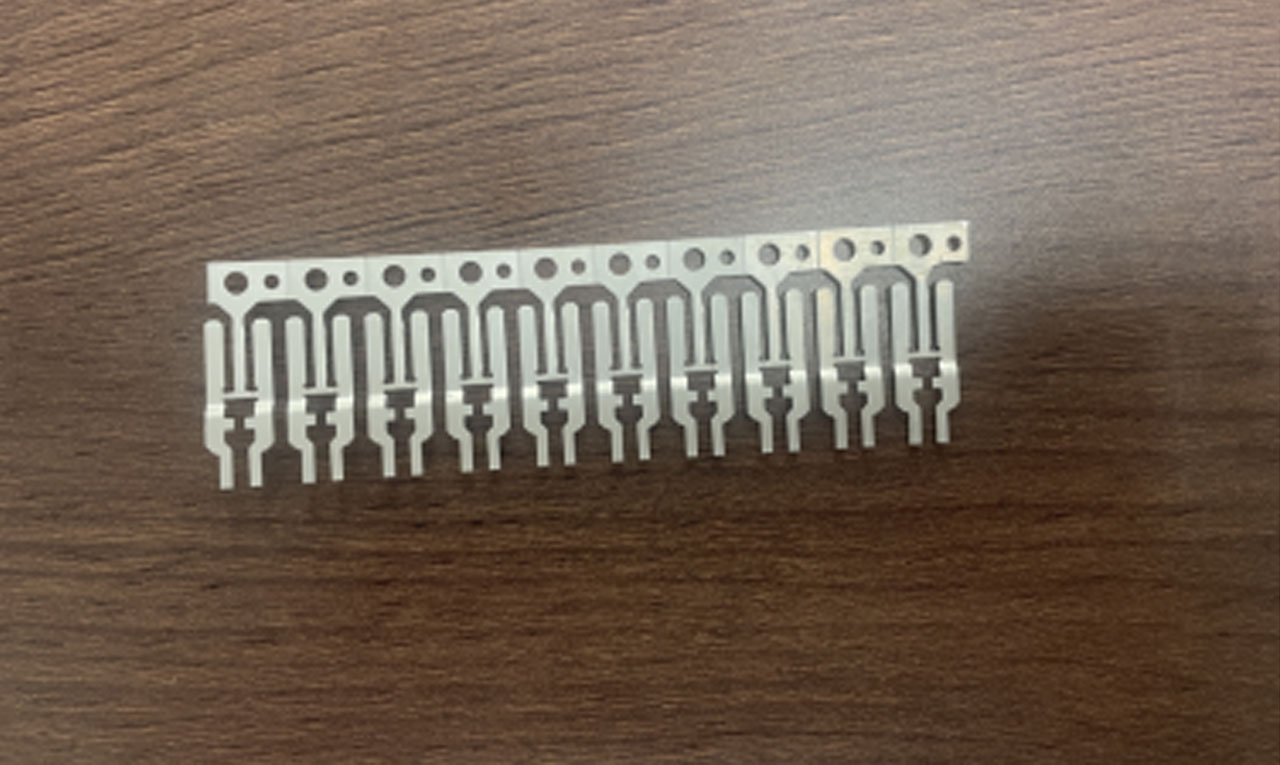
Chuangkai’s integrated manufacturing model covers sheet metal fabrication, welding, powder coating, precision stamping, CNC machining and assembly. Such a manufacturing model is suitable for making custom industrial sheet metal parts that require more than one process, like welded brackets with machined inserts, coated sheet metal parts with stamped details and parts for electrical equipment that require precise forming and surface finishing, using CNC machining and other processes.
How to Choose a Sheet Metal Fabrication Supplier for OEM Parts
When evaluating a reliable supplier one has to look at the process coverage, the material capability, the quality control as well as the engineering support. When evaluating a supplier one has to ask the question if the factory is able to do all the processes such as laser cutting, CNC punching, bending, riveting, welding, grinding, surface finishing and inspection in-house. Furthermore the supplier has to have experience with the different materials such as stainless steel, carbon steel, aluminum alloy, galvanized sheet and coated sheet. These materials have different cutting, bending, welding and coating characteristics.
Key elements of a quality system at Chuangkai: Chuangkai uses a variety of measuring and testing equipment including coordinate measuring machine and 2.5D measuring machine and metallographic and hardness testing equipment etc. Chuangkai applies quality management approach such as APQP, PPAP, PFMEA, 8D etc. in addition to process control and related methods and practices. By detailing this information, OEM buyers can judge for themselves whether Chuangkai is able to carry out prototype trials, small production runs as well as repetitive production.
Before placing a production order, buyers can send drawings for a sheet metal fabrication review to check material choice, bending risk, welding method, coating requirements, tolerance concerns, and possible cost-saving changes.
Conclusion
Custom sheet metal fabrication of OEM parts for the electrical, agricultural and new energy equipment industries is most effective when all elements of engineering review, fabrication, welding, surface finishing, inspection and production management are integrated to form a competent team to support customers to cut supply chain complexity, to avoid potential quality problems and quickly move from sample approval to mass production in batches. For projects that involve multiple metal processes, Chuangkai provides one-stop service from drawing review to completed metal parts.
FAQs
Q1: How do buyers choose a custom sheet metal fabrication supplier for OEM parts?
A: When selecting a supplier for the production of sheet metal parts it is very important to establish whether they are able to manage all of the processes such as laser cutting, CNC punching, bending, riveting, welding, grinding, powder coating, painting and inspection. When producing OEM sheet metal parts it is also important to establish the supplier’s experience with the various different materials, their quality systems, sample production and batch sizes. It is also very important to establish whether the supplier is able to highlight any manufacturability issues before production begins.
Q2: What sheet metal materials are used for electrical and machinery parts?
A: Typical materials for metal parts for electrical equipment and agricultural machinery are stainless steel, carbon steel, silicon steel, aluminum alloy, galvanized sheet and aluminum-zinc coated sheet. In order to be used, the material needs to meet the required characteristics of strength, weight, environment, appearance and cost. In order to achieve this, a clean surface and accurate mounting features are required for electrical equipment metal parts, whereas for agricultural machinery sheet metal parts, the structure must be stronger and more corrosion-resistant.
Q3: How can welding deformation be reduced in sheet metal structures?
A: Welding deformation can be reduced through better fixture design, proper welding sequence, suitable welding method, controlled heat input, and early design review. In some cases, riveting, forming, or stamping may replace unnecessary welding. For welded sheet metal parts used in machinery or equipment, a supplier should check both strength and final assembly dimensions.
Q4: Why is powder coating important for industrial sheet metal parts?
A: Powder coating offers metal parts protection against wear and tear, corrosion, and scratching and also offers them a uniform look. As with many other products for industry, the quality of the powder coating of industrial sheet metal parts depends on surface preparation, layer thickness, curing, and edge protection. Good powder coating enables problems to be prevented which could occur with transportation, assembly and field use.
Q5: Can one supplier handle sheet metal fabrication, welding and powder coating?
A: It is good to have one supplier for sheet metal fabrication but the supplier should have the correct equipment, process control and inspection capability. A one-stop shop for fabrication reduces the coordination required, decreases the lead time and the chance of quality problems between vendors. OEM electrical parts, agricultural machinery and new energy equipment metal components are examples where this is advantageous.
Leave a reply