







25th June 2026
Custom Metal Stamping and Tooling for High-Volume Precision Parts: A Supplier Selection Guide
OEM buyers purchasing high-volume precision parts often look beyond the lowest price per part. A reliable custom metal stamping project depends on several key factors, including stable tooling, proper material selection, precise dimensions, and controlled production from the sample phase through mass production. For electrical components, agricultural equipment parts, and new energy equipment metal parts, a small burr, excessive springback, or misaligned hole can cause assembly problems across an entire batch.
This is why supplier selection is so important early in the process. A stamping parts supplier should be able to review drawings, design and manufacture tooling, test materials, control tolerances, and support downstream processes such as CNC machining, surface finishing, and assembly. The capabilities of Chuangkai precision metal manufacturing, an experienced stamping supplier, can bring value to OEM purchasing teams that need to reduce supplier handoffs and maintain more stable production.
Why High-Volume Precision Parts Need More Than Basic Stamping
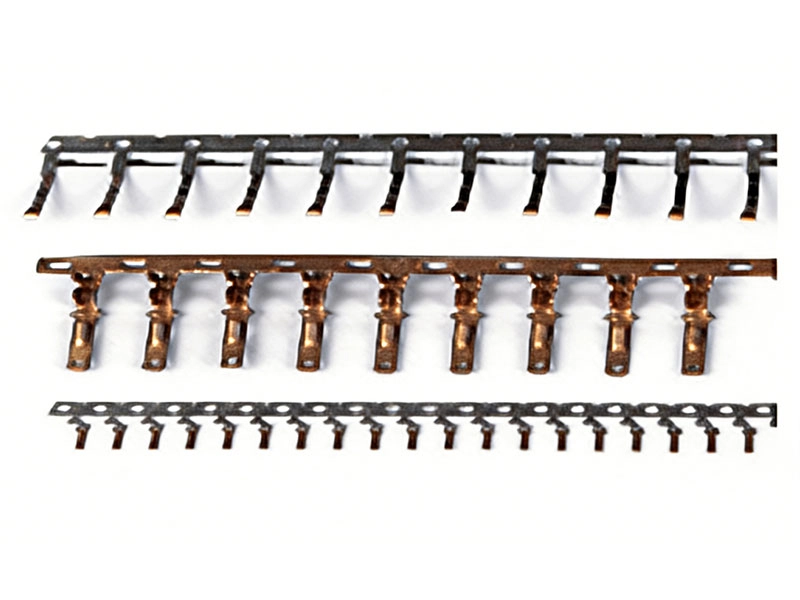
High-volume metal stamping is not simply forming sheet or strip metal into a specific part shape. The part shape must be repeated thousands to millions of times while maintaining functional dimensions. In the electrical field, parts such as contact points, connector parts, holding clips, brackets, shielding parts, and mounting plates are typically stamped from metal. These parts often require sharp, clean cut edges, accurate hole locations, flat surfaces for electrical contact, and good spring properties.
Industrial parts for agricultural machinery, industrial equipment, and new energy equipment metal components demand different characteristics from purely aesthetic parts. For industrial parts, strength, fatigue resistance, material thickness, and coating compatibility are often the main concerns. For later assembly, stable dimensions, traceable quality, and consistent surface condition are also critical. What may seem like a minor variation on a single part can become very expensive on high-volume stamped metal parts.
Key Metal Stamping Processes for OEM Parts
Progressive Die Stamping for Large Production Runs
Progressive die stamping is a process used to produce large volumes of parts with repetitive features. In progressive die stamping, the metal strip passes through a number of die stations where different actions, such as punching, bending, forming, and cutting, are performed. Many connector parts, terminals, clips, brackets, and small structural parts are made by progressive die stamping because they require repeated features and consistent precision.
The main advantage of progressive die stamping is production efficiency. Once a die is set up correctly and runs properly, it can deliver cost-effective unit pricing and consistent quality for large batch sizes. Correct strip layout, forming sequence, and die clearance are essential to prevent problems such as burrs, material waste, and inconsistent dimensions in high-volume production.
Deep Drawing Stamping for Formed Metal Parts
Deep drawing stamping is a forming method used for parts with greater depth, multiple bends, or cup-like shapes. Deep drawing is often used to make shells, covers, sleeves, and other special formed metal parts produced to specific dimensions and tolerances. Deep drawing can present several inherent risks, including cracking, wrinkling, uneven wall thickness, and excessive springback. These risks must be reviewed before the first trial part.
Drawing may reduce welds that were originally specified for welded assemblies, improve sealing, and lower overall production cost. This possibility should be investigated during the design review stage, not after tooling has already been created.
Compound Die Stamping for Precision Features
In compound die stamping, blanking, punching, and other features are completed in one stroke of the press. For highly precise metal stamping production, the positional relationship among holes, edges, and profiles is critical. Compound dies can help improve feature accuracy and reduce handling between separate operations.
Common Materials Used in Custom Metal Stamping
Material selection for electrical stamped parts affects forming behavior, tool wear, springback, conductivity, corrosion resistance, and cost. Conductive, elastic, and corrosion-resistant materials are commonly used for connector parts, contact pieces, shielding parts, and precision clips. Common materials include brass, phosphor bronze, beryllium copper, nickel silver, stainless steel, and nickel strip.
Common materials used for agricultural machinery, industrial equipment, and structural stamped parts include carbon steel, low-carbon steel, cold-rolled steel strip, pre-plated steel, spring steel, stainless steel, and aluminum alloy. Depending on strength, formability, plating requirements, and cost targets, buyers can choose the most suitable material. Chuangkai can process a wide range of materials to make custom stamped metal parts, allowing engineers to select materials based on part function without unnecessary limitations.
How Tooling Design Affects Cost, Tolerance and Production Stability
Tooling is a critical component in high-volume metal stamping. The die affects burr direction, cutting clearance, material usage, springback, part forming sequence, production rate, and tool life. Although lower tooling cost may be attractive during purchasing, poor tooling design can result in increased scrap, lower output, higher maintenance costs, and eventual delays.
A more effective approach is to request manufacturability review and feedback from the supplier. This includes reviewing the proposed part for bend radius, hole-to-edge distance, material thickness, grain direction, tolerance requirements, and opportunities to reduce secondary processing. Chuangkai provides custom metal stamping and tooling services. With expertise in precision tooling design and manufacturing, Chuangkai supports customers from design to production. The company manufactures progressive stamping dies, drawing dies, and compound dies in-house. Its in-house tooling capability connects the design phase with production feasibility.
Tolerance Control and Quality Problems in Precision Metal Stamping
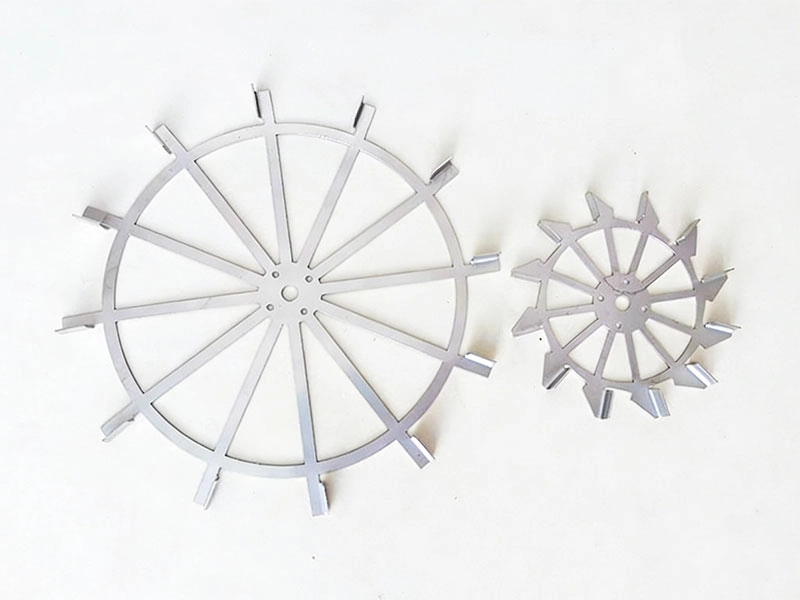
Common metal stamping defects include burrs, cracks, deformation, springback, hole out-of-roundness, hole location deviation, surface dents, plating damage, and unexpected material behavior. These defects are usually caused by a combination of factors. Tool wear, die clearance, material hardness, lubrication, and process verification all need to be controlled to produce consistent stamped parts.
Tolerance management must begin before mass production starts. The supplier should carry out trial runs, first article inspection, key dimension checks, process control, and proper tool maintenance. Chuangkai supports stamping quality management with inspection equipment such as coordinate measuring equipment, 2.5D measuring equipment, metallographic testing equipment, and hardness testing equipment. Quality methods such as APQP, PPAP, PFMEA, 8D, process control, mistake prevention, and MES-based production management are also applied. These systems help OEM buyers reduce uncertainty in repeated production.
How to Reduce Cost in High-Volume Metal Stamping
When trying to reduce the cost of custom metal stamping, simply getting a lower unit price is not always the best way to save. Greater savings often come from better material usage, fewer secondary processes, longer die life, less scrap, and faster production. Progressive die stamping may require a larger upfront tooling investment, but for stable high-volume parts, it can reduce long-term cost per part.
Cost can also be reduced through design changes. For example, a bracket may become easier to form by changing the bend radius. A connector clip may have fewer quality issues if burr direction is considered before tooling. A stamped part may avoid additional machining if holes and part forms are planned correctly. For this reason, buyers should obtain DFM feedback before approving tooling.
How to Choose a Custom Metal Stamping Supplier
A good OEM metal stamping supplier should have in-house tooling capability, experience with different stamping materials, high-speed press equipment, trial production support, inspection capacity, and long-term batch production control. For projects involving electrical parts, agricultural machinery components, and new energy equipment metal components, the supplier should also understand how the stamped part will be assembled, coated, or combined with machined or sheet metal parts.
Zhejiang Chuangkai Mechanical and Electrical Technology Co., Ltd. was established in 2003 and has built an integrated manufacturing system covering precision tooling, precision metal stamping, sheet metal fabrication, CNC machining, surface coating, and assembly. With standardized workshops, quality system certifications, and high-speed precision stamping equipment, information about Zhejiang Chuangkai is relevant for OEM buyers evaluating long-term production suppliers. Buyers with drawings or samples can send drawings for a stamping review before tooling approval.
Conclusion
Press capacity for producing high-volume precision parts is only one factor to consider when selecting a metal stamping supplier. A qualified supplier also needs the ability to design tooling, understand suitable materials, hold close tolerances, maintain strong quality control, and support high-volume production. For OEM buyers, this means fewer supplier changes, fewer quality issues, and lower risk of supplier-related delays between sample approval and repeat production. As an integrated provider of custom stamping, tooling, machining, finishing, and assembly services, Chuangkai is a suitable partner for precision stamped parts requiring practical engineering input and timely delivery.
FAQs
Q1: How do buyers choose a custom metal stamping supplier for high-volume parts?
A: Buyers should assess whether the supplier has in-house tooling design, suitable press equipment, experience with appropriate materials, trial production capability, quality inspection processes, and efficient mass production management. Above all, the custom metal stamping supplier should be able to review drawings for potential manufacturing problems before tooling is produced.
Q2: What materials are commonly used for metal stamping parts?
A: Common metals used in metal stamping include stainless steel, aluminum alloy, brass, phosphor bronze, beryllium copper, nickel silver, low-carbon steel, cold-rolled steel, pre-plated steel, and spring steel. The specific material depends on conductivity, strength, elasticity, corrosion resistance, formability, and cost.
Q3: What is progressive die stamping used for?
A: Progressive die stamping is used to make high-volume precision parts such as terminal parts, connector parts, clips, brackets, mounting plates, and other small stamped metal parts. A progressive die is suitable for buyers who require fast production, precise dimensions, and lower unit cost after tooling is approved.
Q4: How can burrs and springback be controlled in precision metal stamping?
A: Burr size and springback can be controlled through die clearance, part material, tooling design, tryouts, process checks, and tool maintenance. For suppliers producing close-tolerance parts, it is often better to check multiple key dimensions throughout production rather than relying only on first sample approval.
Q5: How can buyers reduce the cost of custom stamped metal parts?
A: Buyers can reduce costs through early DFM review, better strip layout, improved material usage, progressive die tooling, fewer secondary processes, lower scrap, and consistent batch quality. A one-stop metal stamping and tooling supplier can also save time and reduce costs when machining, surface coating, or assembly is required.
Leave a reply