







26th June 2026
Precision CNC Machining for Agricultural Machinery, Nuclear Power and Electrical Equipment Parts
From an OEM buyer’s perspective, creating an accurately machined part according to a drawing or blueprint is only the beginning. Such parts must assemble properly, withstand different types of load, resist operational defects, and remain stable through subsequent manufacturing steps. Agricultural equipment parts are often subjected to shock, severe vibration, mud, twisting torque, and long hours of outdoor operation, while nuclear power equipment and new energy equipment require accurate dimensional control, closely managed production processes, and clear part-related documentation. Electrical equipment parts often require accurately drilled holes, machined threads, precision ground surfaces, and reliable assembly details.
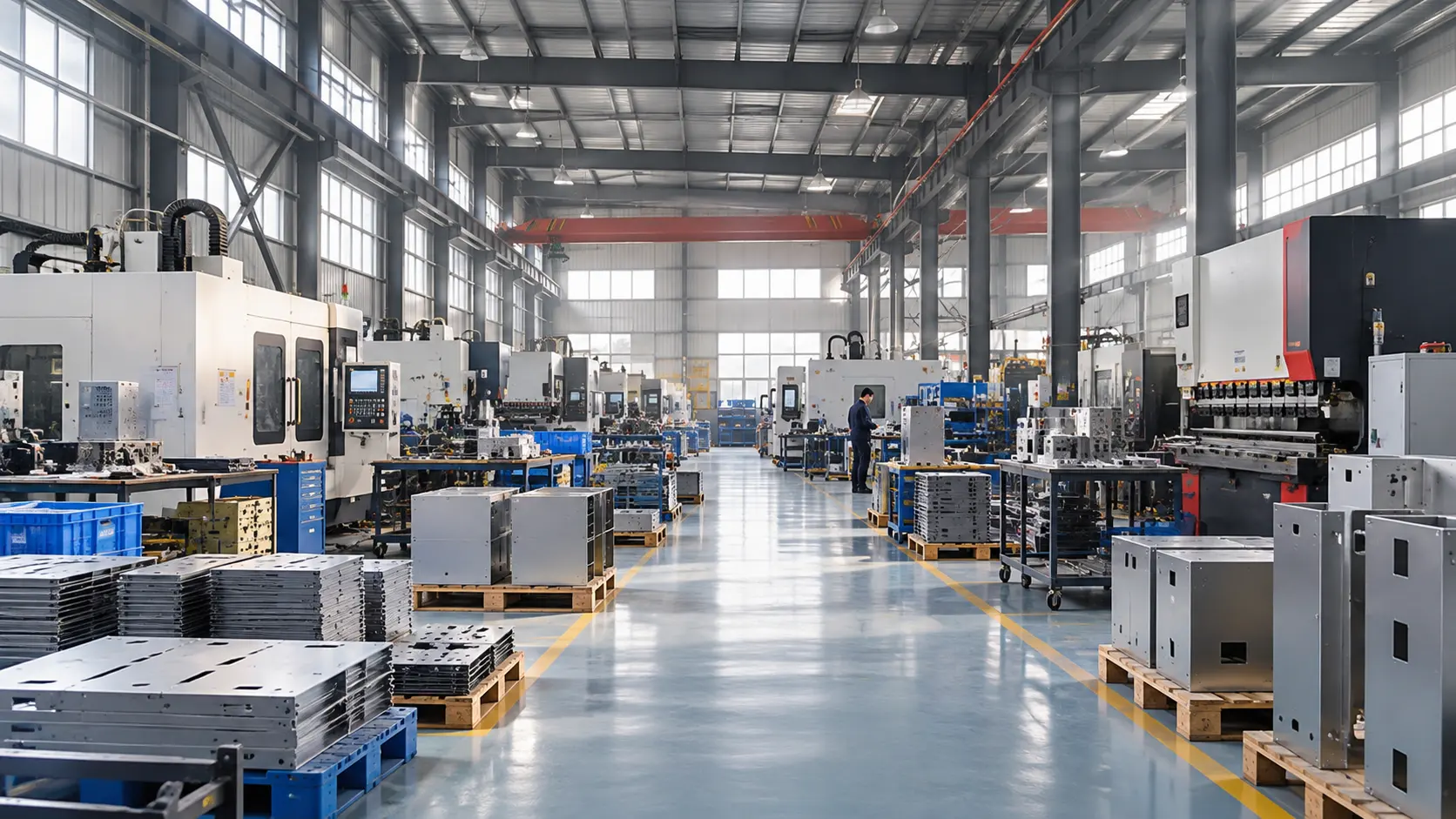
To produce metal parts properly, a CNC machined parts supplier must first understand the application requirements behind the drawing. Zhejiang Chuangkai Mechanical and Electrical Technology Co., Ltd. supports OEM buyers as a one-stop precision metal manufacturing partner, combining precision CNC machined parts with metal stamping, sheet metal fabrication, surface finishing such as powder coating or painting, and assembly under one production roof.
Why OEM Buyers Need More Than Basic CNC Machining
Just because a part has been CNC machined and has passed dimensional checks does not mean it will last in service. A simple-looking shaft, for example, may have the correct outside diameter, but poor transitions between sections, incorrect material hardness, a rough surface, or shaft geometry that creates areas of high stress concentration can all cause premature fatigue failure. A machined bracket for electrical equipment may also look straightforward to manufacture, but a small error in the location of a single hole could create major assembly problems if the bracket does not align with other metal parts and components.
This is why custom CNC machined parts need engineering review. In the agricultural industry, machined shafts, pins, sleeves, and transmission parts are subjected to varying levels of stress and load. For the electrical market, precision machined metal parts require clean cut edges, accurate threaded holes, and stable mounting surfaces. For nuclear power and new energy equipment-related metal components, repeatability and process control are just as important as final dimensional accuracy.
Key CNC Machining Processes for OEM Metal Parts
CNC Turning for Shafts, Sleeves and Round Parts
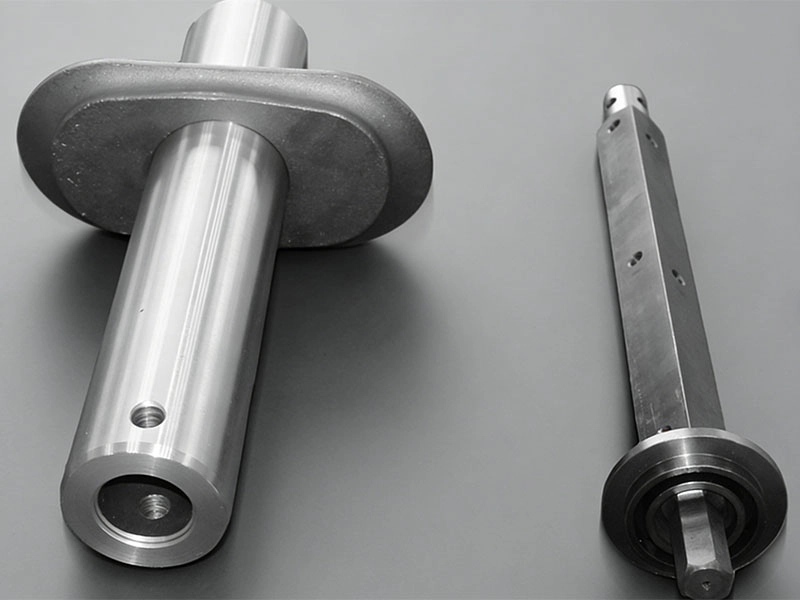
CNC turning is typically used to manufacture shafts, sleeves, pins, flanges, and other round components used in agricultural machinery, electrical components, and power transmission-related machinery. Particular attention should be paid to concentricity, outside diameter, thread accuracy, end face quality, and surface finish, since these factors affect rotation, wear, sealing, and assembly.
Chuangkai provides precision CNC machining services for custom shafts and other precision turned parts used in OEM metal parts. For parts used in field machinery or power-related products, a stable machining process and proper inspection are important to avoid unexpected problems such as poor fit during mass production.
CNC Milling for Plates, Brackets and Complex Features
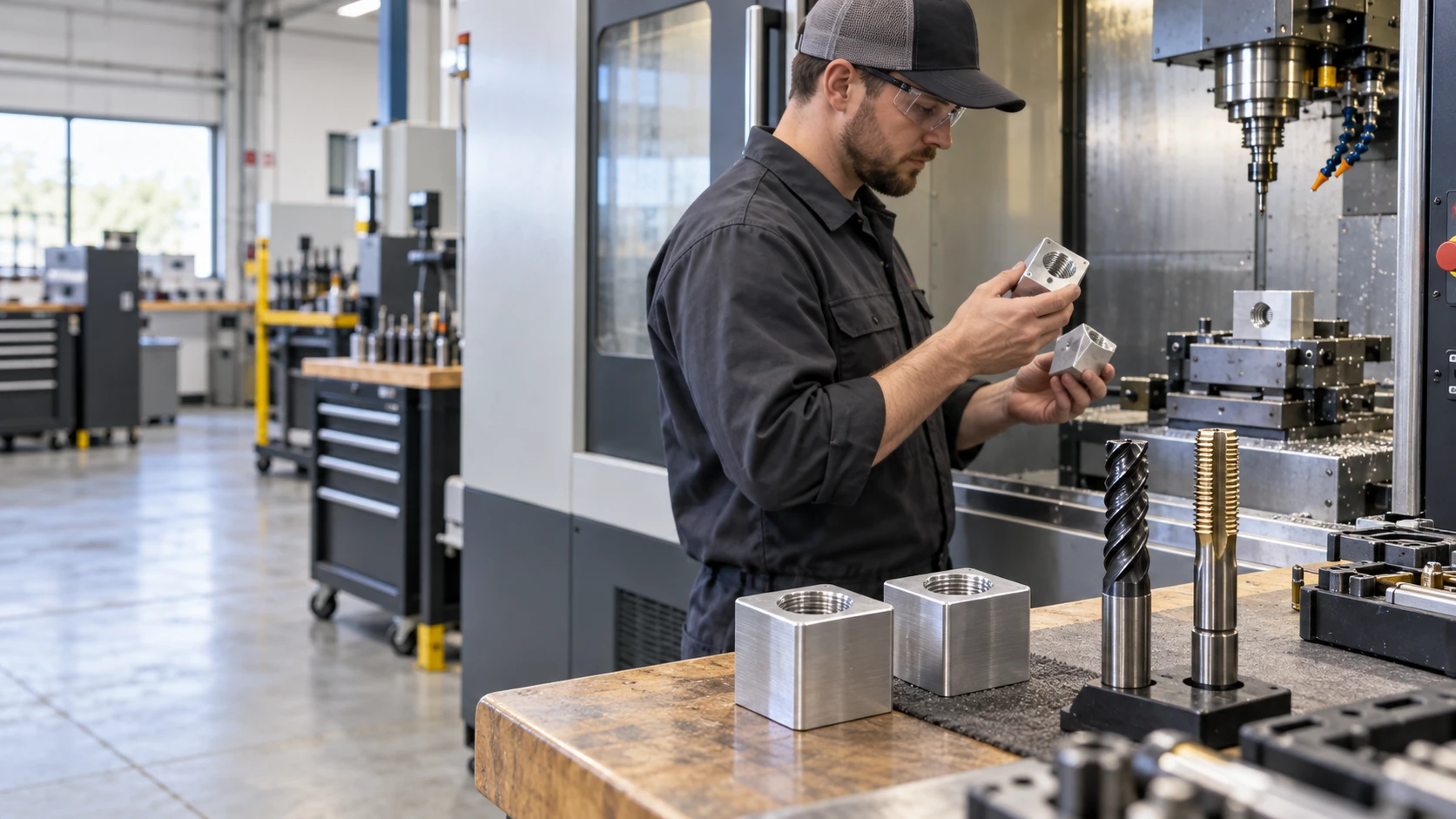
CNC milling is suitable for machined plates, mounting blocks, precision brackets, housings, slots, flat surfaces, and complex profiles. For electrical equipment parts, CNC milling is especially useful when hole relationships and thread depth affect final assembly. For nuclear power and new energy equipment-related metal parts, CNC milling is suitable for applications that require high flatness, accurate hole location, proper edge treatment, and stable surface quality for installation and long-term use.
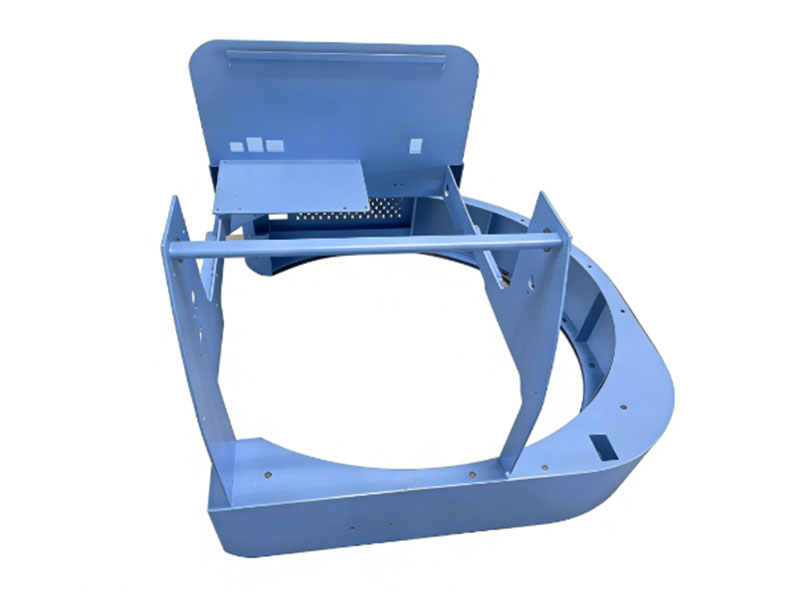
A good supplier of machined plates first reviews whether milling, turning, drilling, tapping, or grinding is the most effective method for producing the part. If the machined plate also needs to work with sheet metal parts, stamped details, coating, or final assembly, integrated production can avoid excessive handovers and communication failures between vendors.
Grinding, Thread Rolling, Tapping and Drilling
In addition to primary machining processes, a part’s ability to assemble correctly is often determined by secondary machining processes. Grinding can improve surface finish and dimensional precision. Thread rolling can create stronger and more consistent threads in suitable applications. Tapping and drilling must be carefully controlled when creating threaded holes, mounting holes, and other fastening points.
These processes should not be treated as simple add-ons to OEM CNC machining services. They are part of the complete production route, especially when machined parts must be connected to stamped parts, sheet metal parts, or coated assemblies.
CNC Machining for Agricultural Machinery Parts
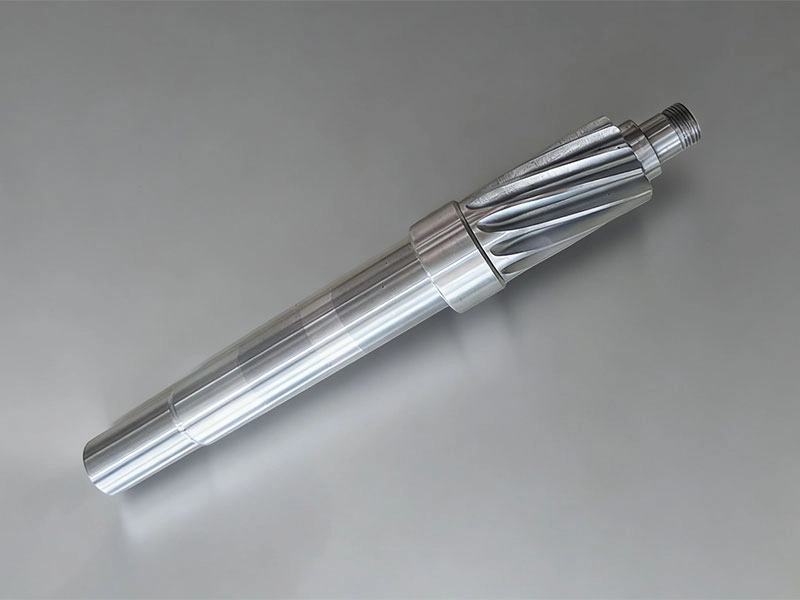
Agricultural machinery parts are often judged by durability. Shafts, pins, gear shafts, sleeves, supports, connectors, and other CNC machined agricultural parts are used in demanding working environments. These parts may face mud, dust, shock, rain, and long-term outdoor operation. While a low machining price may appear attractive, it offers little value if the part wears out or fails in the field.
When purchasing machined shafts for agricultural machinery, buyers should check samples for material, heat treatment, hardness, surface roughness, transition radius, and critical load-bearing areas. Many fatigue failures are not caused only by the material itself, but also by the working conditions the shaft must withstand. An experienced machined components supplier can identify potential problems before heat treatment, tooling, or batch production begins. Drawing review based on past production experience can reveal possible risks before they become costly.
CNC Machining for Nuclear Power and New Energy Equipment Parts
Metal parts for nuclear power and new energy equipment usually require fixed dimensions, clean surfaces, fixed lot numbers, and clear inspection standards. Typical components include mounting plates, precision brackets, shafts, connectors, structural metal parts, covers, and support-related machined parts.
For these types of parts, buyers should clearly define material grade, major dimensions, tolerance, surface finish, packaging, and batch traceability before production begins. A controlled workflow is critical for CNC machining of nuclear power equipment parts and new energy equipment metal parts, because late changes may affect assembly, inspection, and on-time delivery.
CNC Machined Parts for Electrical Equipment
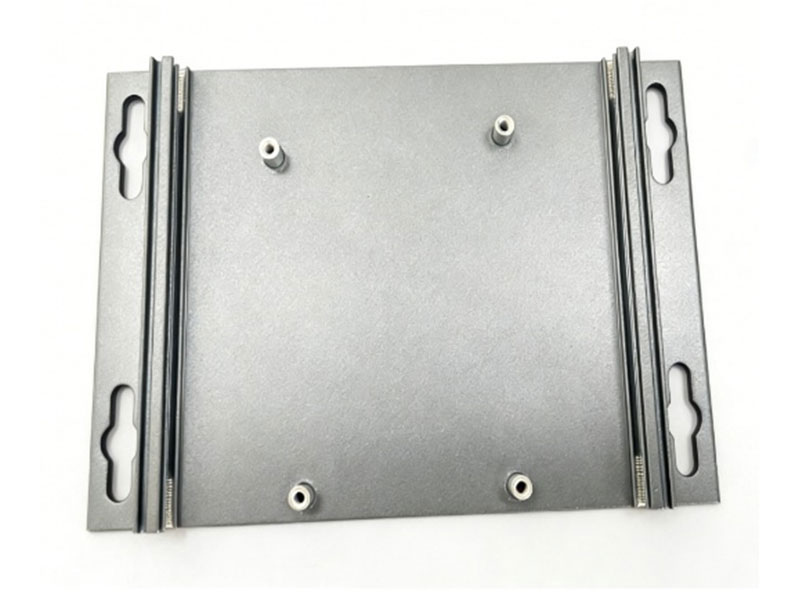
Many electrical equipment parts require accurate mounting features, smooth threaded connections, stable surfaces, and consistent assembly dimensions. Metal brackets, electrical connection blocks, electrical equipment support rails, sleeves, electrical equipment mounting plates, and small precision parts are common examples.
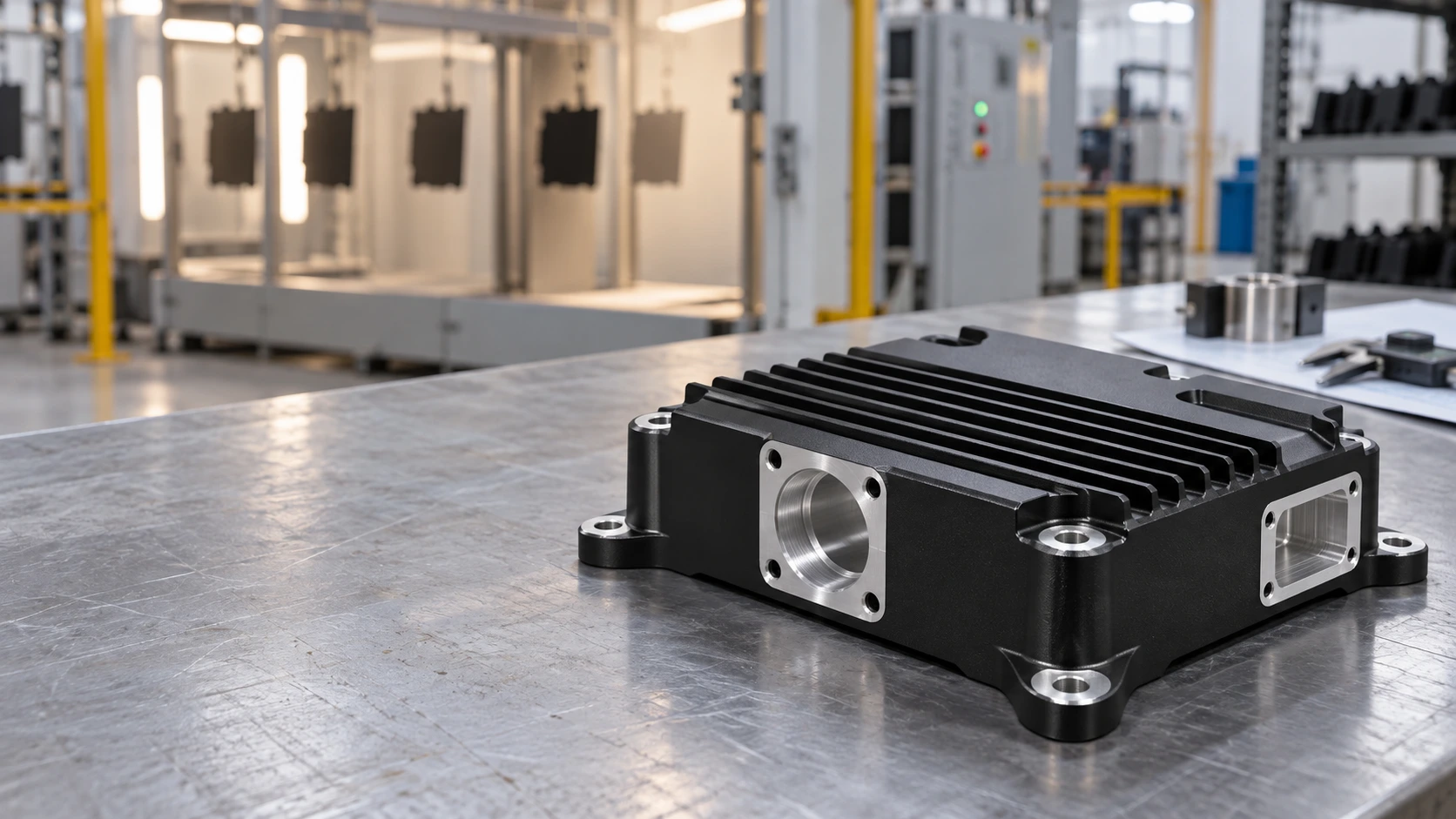
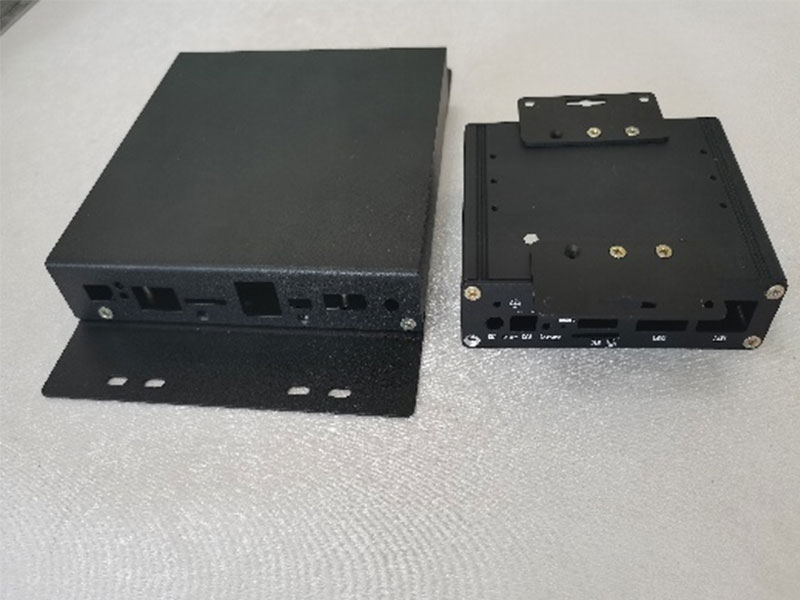
Before production starts, it is important to verify hole tolerances, thread depth, burr requirements, chamfers, plating or coating needs, and final assembly clearance. If CNC machined electrical parts are combined with stamped parts or sheet metal housings, supplier coordination must be carefully managed. A one-stop manufacturer can align machining, surface finishing, and assembly requirements within one production system.
From Prototype to Stable CNC Machining Production
Creating a prototype CNC machined part is only the beginning. A sample part may meet drawing requirements, but later mass production may still face problems such as tolerance drift, tool wear, packaging damage, thread fitting issues, or heat-treatment variation. Planning for stable production must begin at the earliest stage.
Before CNC machining begins, a reliable CNC supplier should confirm several critical factors for the buyer, including material, key dimensions, tolerance, surface finish, heat treatment, threads, chamfers, inspection methods, and packaging details. First article inspection, in-process inspection, key dimension records, and corrective procedures all help keep production quality consistent. For buyers used to working with different low-volume CNC machining companies, this level of discipline is what separates a job shop from a repeat production supplier.
How Quality Control Reduces CNC Machining Risk
Quality control for CNC machining does not end with final inspection. It begins with drawing review and continues through fixture planning, tool selection, part setup, first-piece inspection, in-process checks, and final verification.
Zhejiang Chuangkai uses quality management methods and inspection resources to check precision machined parts. Its precision inspection tools include coordinate measuring machines, 2.5D measuring machines, metallographic testing, hardness testing, and other inspection resources. Chuangkai also applies process control methods such as APQP, PPAP, PFMEA, and 8D, with production managed through MES. For OEM buyers evaluating suppliers, Zhejiang Chuangkai’s factory scale, certifications, and complete production line provide useful background for supplier assessment.
How to Choose a Precision CNC Machining Supplier
A precision machining parts supplier should be able to provide more than CNC turning and milling. Buyers should review whether the factory can also complete Swiss-type machining, grinding, thread rolling, tapping, drilling, polishing, surface finishing, and related secondary processes. The supplier should also have experience manufacturing parts for agricultural machinery, nuclear power and new energy equipment, and electrical equipment.
When choosing a custom machined parts manufacturer, buyers should consider process range, material experience, inspection capability, quality system maturity, engineering feedback, and stable communication. Chuangkai offers precision machining as well as stamping, sheet metal fabrication, coating, and assembly. For OEM customers that require more than one process to manufacture their parts, Chuangkai can provide one-stop production support. The company can accept buyer drawings, buyer samples, or new development projects, and can provide machining review before production planning begins.
Conclusion
When it comes to precision CNC machining for agricultural machinery parts, nuclear power parts, and electrical equipment parts, selecting a supplier based only on machining price is not a wise approach. OEM buyers need suppliers that understand working conditions, material properties, machining processes, and repeat production requirements. A qualified supplier should also have strong quality control processes from prototype to mass production. With machining, inspection, finishing, and assembly capabilities under one roof, a supplier can reduce risk and improve consistency, lead time, and supplier accountability.
FAQs
Q1: How do buyers choose a CNC machining supplier for agricultural machinery parts?
A: Buyers should check whether the supplier understands field conditions such as vibration, impact, mud, torque, and fatigue. For machined shafts and agricultural equipment components, material selection, heat treatment, hardness, surface roughness, radius design, and batch inspection are important.
Q2: What CNC machining processes are used for electrical equipment parts?
A: Electrical equipment components may require CNC turning, CNC milling, drilling, tapping, grinding, thread rolling, and surface finishing. Whether the part is a shaft, sleeve, bracket, mounting plate, connector, or small precision metal component, the correct process should be selected according to the part structure and assembly requirements.
Q3: What should be checked before CNC machined parts go into mass production?
A: Before mass production begins, the buyer should confirm the material grade, major dimensions, allowed tolerance, surface roughness, threads, chamfers, heat treatment, hardness, coating requirements, inspection methods, protective packaging, and batch records.
Q4: Why do CNC machined shafts fail in agricultural machinery?
A: CNC machined shafts can fail for many reasons. Common causes include fatigue, local stress concentration, improper heat treatment, uneven hardness, poor surface roughness, inadequate radius design, and harsh operating conditions. Shaft failure should not be attributed only to material.
Q5: Can one supplier handle CNC machining, surface finishing and assembly?
A: One supplier can handle CNC machining, surface finishing, and assembly when it has internal machining equipment, inspection capability, coating resources, assembly support, and quality management systems. This approach can reduce supplier coordination and improve production stability.
Leave a reply