




16th July 2026
Powder Coating for Sheet Metal Parts and Custom OEM Enclosures
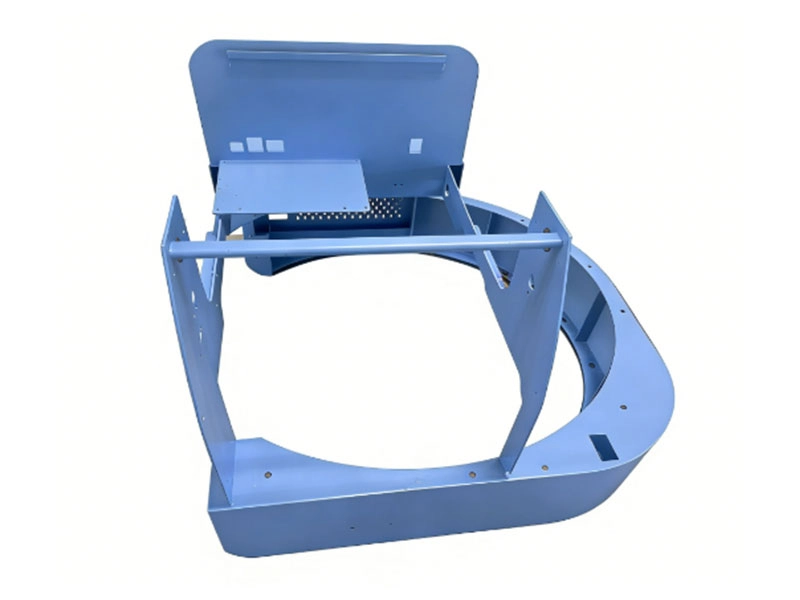
Powder coating on sheet metal components may be required where the OEM purchaser requires more than just cleanliness in appearance. The enclosures, chassis, covers, brackets and panels will need to be handled as part of the assembly process, shipped, mounted in the equipment, and possibly cleaned, vibrated, heated, or maintained. If the powder coating flakes off the component, making holes or access areas inaccessible, this will become a procurement and engineering problem, not an aesthetic one.
Why Powder Coating Matters for OEM Sheet Metal Parts and Enclosures
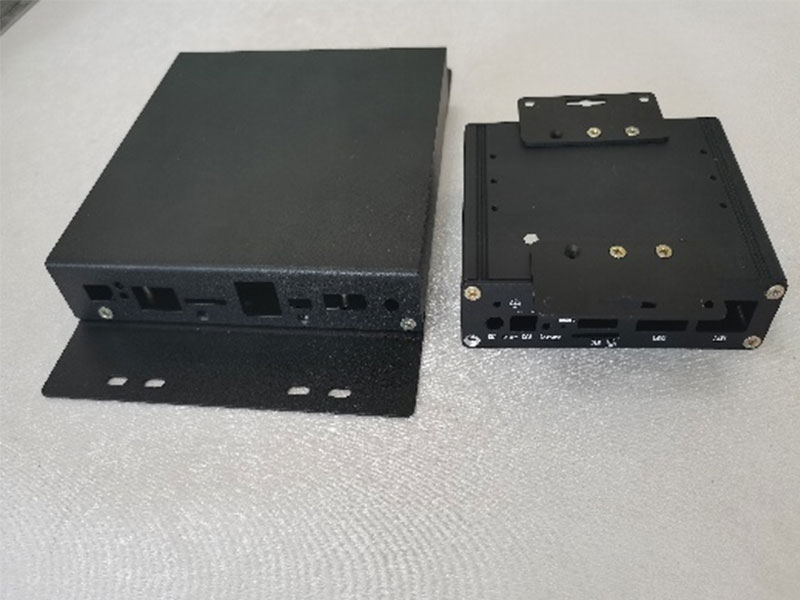
Powder coating is usually a strong fit for repeat-production sheet metal components where appearance consistency, surface protection and handling resistance matter. It is commonly used on equipment housings, industrial covers, medical equipment enclosure parts, electrical panels, communication boxes and other powder coated sheet metal components. The finish should be reviewed together with material, bending, welding, masking, coating thickness, curing and packaging, because the coating result depends on the whole manufacturing route.
When Powder Coating Is the Right Finish
Powder coating would work well in a situation where custom-made sheet metal needs to have a protective surface coating after laser cutting, punching, bending, welding, and even riveting. This finishing process is very useful for OEM sheet metal enclosure, chassis, cover, frame and even visible equipment panel. If the project involves a lot of handling, finished part shipping or a situation where appearance is important, buyers should look at powder coating.
The project could be better suited for painting or other type of coating if it involves extremely thin coating film, special decorative effect or if the part cannot withstand oven coating. In those cases, painting or another finish should be reviewed before RFQ.
Materials and Part Geometry That Affect Powder Coating Quality
The same powder coating specification can perform differently on cold-rolled steel, aluminum, stainless steel, galvanized sheet or aluminum-zinc coated sheet. Surface condition, welding marks, burrs, oil, oxidation and grinding consistency all affect the finished appearance and adhesion. For buyers comparing powder coated steel sheet metal parts with aluminum or stainless steel parts, material choice should be based on equipment environment, weight target, corrosion risk, forming difficulty and cost.
Steel, Aluminum and Stainless Steel: How to Choose the Substrate
Cold-rolled steel is often selected for indoor equipment housings and powder coated steel sheet metal parts where forming, cost control and appearance are important. Aluminum may be preferred for lightweight covers, control panels or communication enclosures, but pretreatment should be checked carefully. Stainless steel may be selected for cleaner or more corrosion-sensitive environments, although powder coating may not always be necessary depending on the application.
Procurement teams should confirm material grade, thickness, surface condition, expected environment and cosmetic surfaces before asking for a quote.
Flat Covers, Welded Chassis and Enclosures: Why Geometry Changes Coating Risk
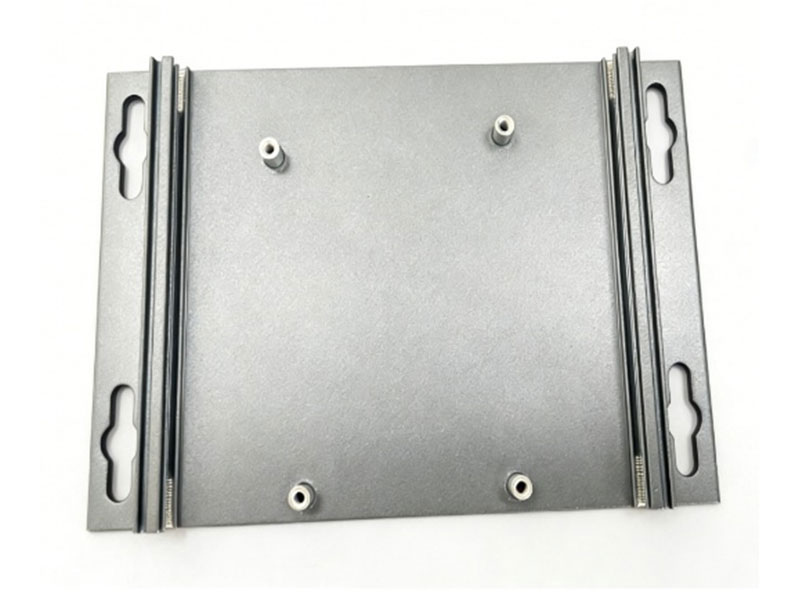
Large flat covers, deep enclosures, welded frames, ventilation slots and folded edges create different coating risks. Corners may receive thinner coverage, threaded holes may collect coating buildup, and welded surfaces may show grinding marks after coating. For powder coated sheet metal enclosures, the drawing should identify visible faces, hidden faces, hanging points, mating areas and assembly-sensitive openings.
For detailed process background, buyers can review powder coating process for sheet metal parts and enclosures before finalizing coating requirements.
Common Powder Coating Problems on Sheet Metal Parts and How to Prevent Them
Coating problems usually begin before spraying. Peeling, poor adhesion, color mismatch, blocked holes and assembly interference often come from incomplete pretreatment, unclear drawings, missing masking instructions or treating finishing as a separate step after fabrication.
Peeling, Poor Adhesion and Rust After Powder Coating
Peeling may occur when oil, rust, oxide, welding residue, sharp burrs or uneven surface preparation remain on the part. Rust may also appear if the base material, coating system or operating environment is not matched correctly. The practical response is to review pretreatment, sample approval, weld grinding, edge conditions and the application environment before mass production.
For critical parts, buyers should not approve only by color. Adhesion-sensitive areas, edges, welded zones and packaging contact surfaces should also be checked.
Coating Buildup on Threads, Grounding Points and Tight Areas
A part can pass dimensional inspection before coating but fail during assembly after coating. This often happens when threaded holes, grounding points, PEM fasteners, bearing surfaces or tight slots are not masked. The drawing should mark no-coat areas clearly, especially where electrical contact, screw fitting or panel alignment matters.
Powder Coating Specifications Buyers Should Confirm Before RFQ
A useful RFQ should not simply say “black powder coating.” It should define color reference, gloss, texture, coating thickness if required, cosmetic surface level, masking zones, quantity, packaging method and application environment. Buyers should also state whether the part is a cover, bracket, chassis, medical device enclosure, security inspection chassis or industrial equipment housing.
RFQ Checklist for Custom Powder Coated Sheet Metal Parts
Before sending drawings, include 2D/3D files, material and thickness, annual or batch quantity, color standard, gloss, texture, coating thickness requirement, masked areas, inserts or hardware, assembly requirements, inspection points, packaging needs and operating environment. If the part is replacing an existing supplier’s component, include photos of coating defects, assembly issues or failed samples.
Application Fit: Medical, Security and Industrial Equipment Enclosures
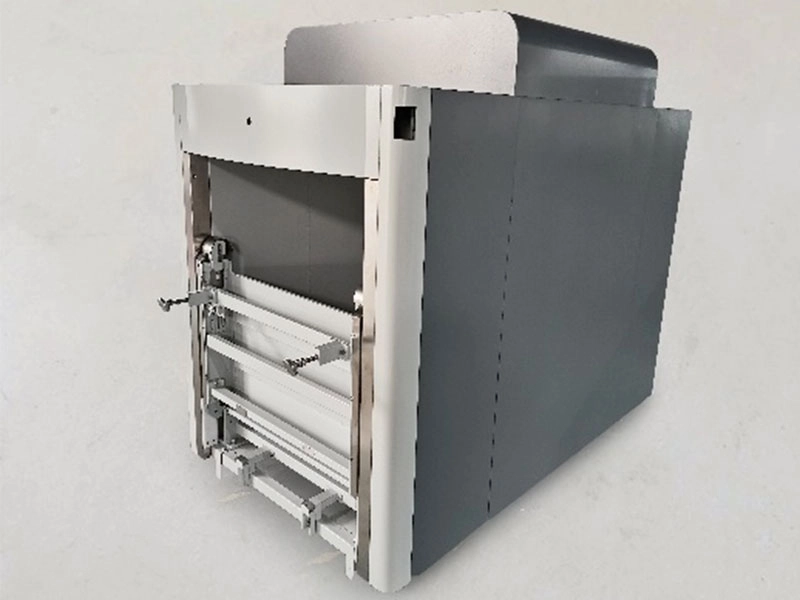
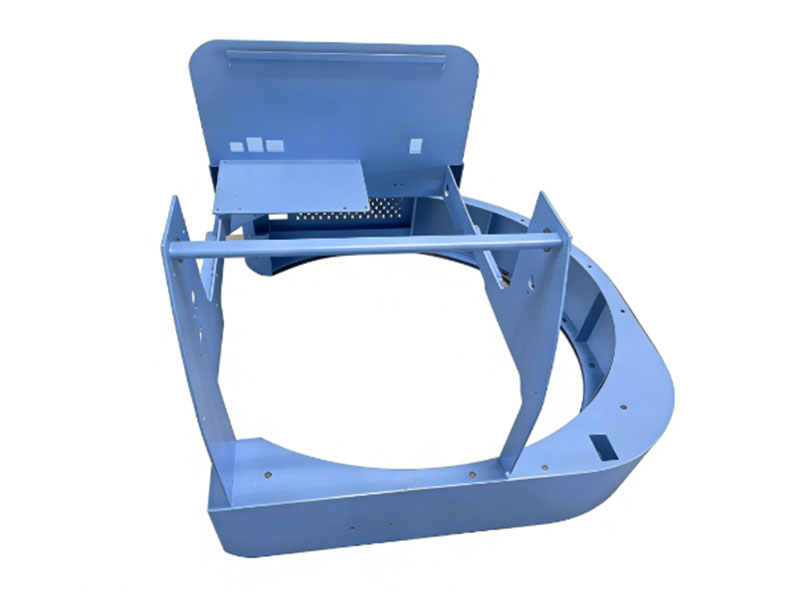
Different OEM equipment categories create different enclosure requirements. Medical equipment may need smooth surfaces, curved forming, ventilation and stable appearance. A related example is medical equipment curved sheet metal enclosure, which uses SPCC sheet metal, curved forming, welding, grinding and electrostatic powder coating for medical equipment housing applications.
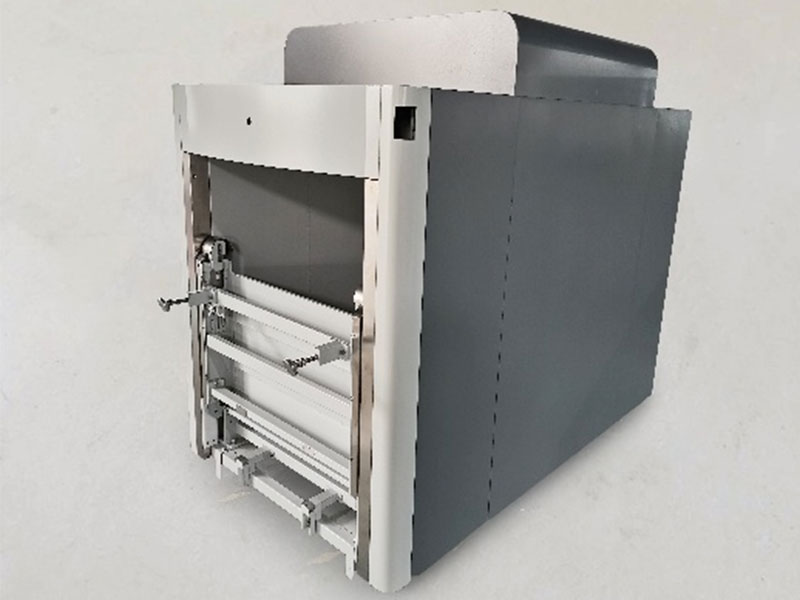
Security inspection equipment often needs stronger structure, rails, access doors, cooling design and coating durability. The security inspection equipment chassis assembly example uses SPCC, SUS304 and aluminum alloy profiles with electrostatic powder coating, plus rails, latch assembly and structural features for security inspection equipment.
| Application | Main Purchasing Focus | Common Risk to Check |
| Medical equipment enclosure | Cleanable surfaces, appearance, ventilation, fitted internal structure | Coating defects on visible curved surfaces |
| Security inspection chassis | Strength, rails, maintenance access, cooling, durable coating | Assembly interference after coating |
| Industrial equipment enclosure | Cost, durability, heat dissipation, service access | Poor masking around holes and grounding points |
How to Choose a Sheet Metal Fabrication and Powder Coating Supplier
A qualified supplier should understand fabrication and finishing as one connected workflow. Cutting quality affects burrs. Bending affects panel fit. Welding affects distortion and grinding marks. Powder coating affects holes, slots, threads, grounding and visible surfaces. Packaging affects whether the coating survives shipment.
Zhejiang Chuangkai Mechanical and Electrical Technology Co., Ltd., operating under CK Metal Tech, supports precision sheet metal processing, metal stamping, machining, surface painting, powder coating and assembly. Its powder coating and painting capabilities include automatic powder coating, manual powder coating for large parts and large boxes, manual painting, and an automatic powder coating and painting hybrid line under construction. Buyers can review CK Metal Tech precision metal manufacturing services when evaluating whether one supplier can support fabrication, coating and assembly under a coordinated process.
Conclusion
Powder coating works well for OEM sheet metal parts and custom enclosures when it is specified early, not treated as a final decorative step. Buyers should review material, geometry, surface preparation, masking, coating requirements, application environment, inspection and packaging before production. For custom powder coated sheet metal enclosures, the safest RFQ includes drawings, dimensions, material, coating details, quantity, application scenario, samples if available, and photos of any existing coating or assembly issues.
For drawing review, sample discussion or project quotation, buyers can contact Chuangkai for a custom metal parts quote with product size, material, target quantity, coating requirement, operating environment and assembly notes.
FAQs
Q1: What should be included in powder coating specifications for sheet metal enclosures?
A: Include material, drawing revision, color reference, gloss, texture, coating thickness if required, masked areas, cosmetic surfaces, grounding points, threaded holes, application environment, quantity and packaging method.
Q2: How do I know if powder coating or painting is right for my OEM metal parts?
A: Powder coating is usually suitable for repeat-production parts requiring durable and consistent surfaces. Painting may be better for special color effects, thin-film requirements, very large parts or heat-sensitive components.
Q3: Why do threaded holes get blocked after powder coating?
A: Threaded holes may get blocked when coating thickness is not considered or masking is missing. Threads, PEM fasteners, grounding points and mating surfaces should be marked clearly on the drawing before coating.
Q4: Can powder coated sheet metal enclosures be used for medical or security equipment?
A: Yes, when the material, structure, coating, cleaning needs, access layout and operating environment are reviewed together. Medical enclosures and security inspection chassis have different priorities, so the RFQ should describe the specific equipment application.
Q5: How can buyers reduce coating problems before mass production?
A: Provide complete drawings, define masking areas, confirm coating appearance and thickness requirements, review sample parts, check assembly fit after coating, and select a supplier that understands both sheet metal fabrication and powder coating.
Leave a reply