




17th septembre 2026
Automated Powder Coating Lines for OEM Sheet Metal
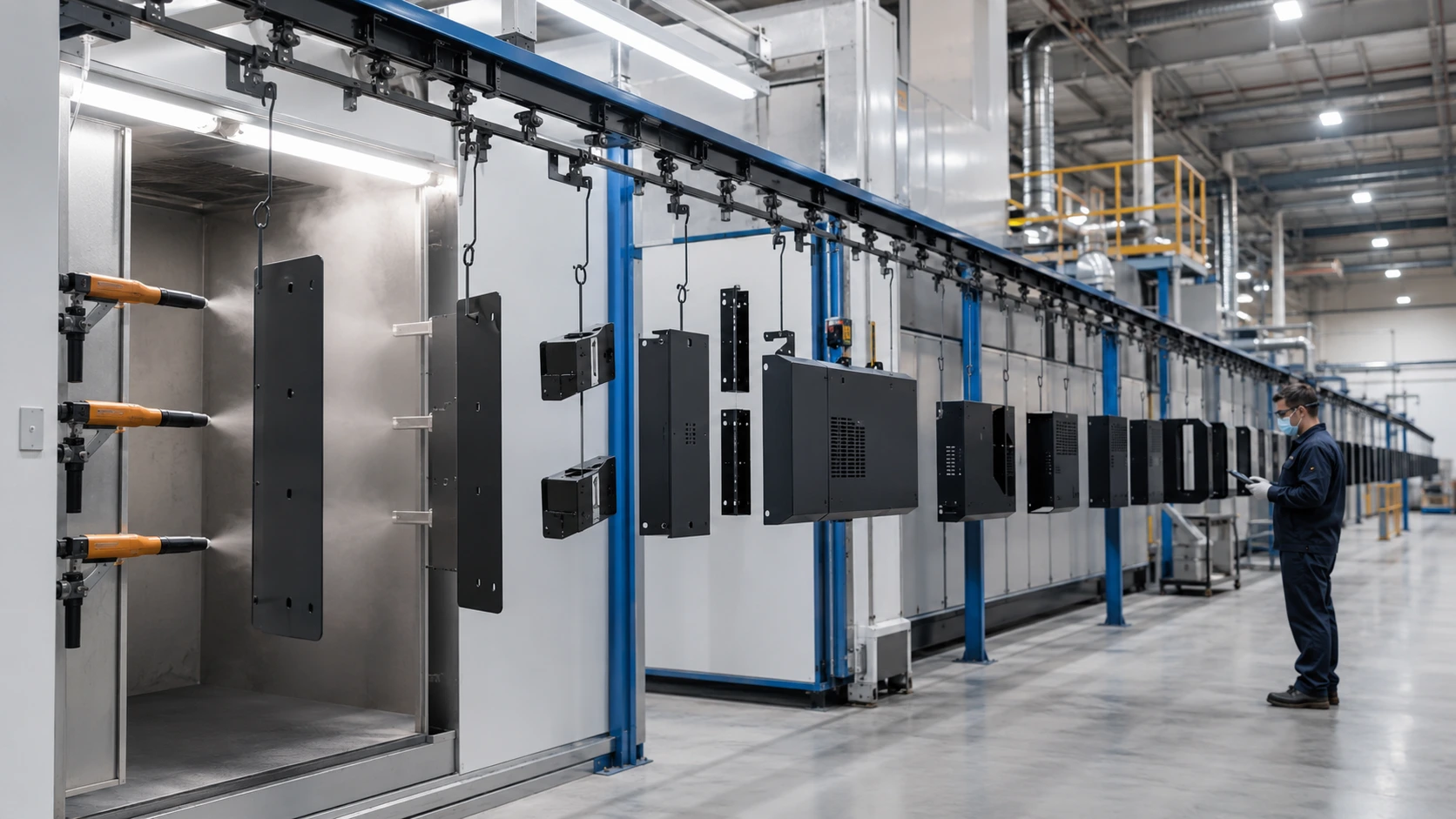
An automated powder coating line can improve efficiency and consistency when an OEM program has repeat demand, reasonably stable part families, controlled finish specifications, and enough work to keep the line balanced. It is not automatically the better route for every order. Large enclosures, frequent color changes, complex masking, highly variable geometries, or small mixed batches may still fit manual or batch coating better.
The useful sourcing question is, “Can the supplier standardize hanging, movement, spraying, curing, inspection, and unloading without creating a new bottleneck?” That distinction is more useful than a generic equipment list.
What Continuous Flow Changes in a Powder Coating Workflow
In a continuous system, parts move through defined process stages at a controlled pace instead of waiting for each batch to be completed and transferred. The exact configuration varies, but the workflow may connect cleaning or pretreatment, drying, powder application, curing, cooling, and unloading. The Powder Coating Institute explains the underlying electrostatic spray deposition and curing process: charged powder is attracted to a grounded part and then cured with heat to form the coating.
The line itself does not guarantee a good finish. Surface preparation, grounding, rack design, spray access, powder selection, cure conditions, masking, and inspection still control the result. Automation creates value when these inputs can be converted into repeatable operating windows.
When an Automated Powder Coating Line Improves Efficiency
Repeat demand supports stable loading and scheduling
Continuous flow is strongest when parts return in predictable quantities and can use repeatable racks, orientations, and color programs. Stable loading reduces setup decisions between pieces and makes line scheduling easier. Similar panels, covers, brackets, and enclosure components can often be grouped into part families, provided their weight, geometry, hanging points, and finish requirements are compatible.
Volume alone is not enough. Many colors, shapes, and masking patterns can create more changeover work than a lower-volume but highly repeatable family. Buyers should provide order frequency, lot size, annual demand, color mix, and revision stability.
The coating stage is a real production constraint
An automatic line helps only if coating or handling limits the manufacturing route. If cutting, bending, welding, grinding, inspection, or packaging cannot keep pace, faster spraying may move waiting time elsewhere. The supplier should identify the actual constraint.
Efficiency also depends on rack density. Large, awkward, or widely spaced assemblies use line time differently from compact parts. Size, weight, pitch, orientation, and spacing should be reviewed before throughput is discussed.
Material handling can be standardized safely
Repeated hanging points can reduce manual transfers, but racks must preserve electrical contact and protect cosmetic surfaces. Thin panels may need support; heavy structures may need different handling. Custom lifting or frequent repositioning reduces the efficiency advantage.
How Continuous Flow Can Improve Coating Consistency
Continuous flow can narrow process variation by keeping routing and pace more stable from part to part. Repeat gun positions, conveyor speed, rack orientation, pretreatment exposure, and cure dwell can support comparable conditions across a run when the system is correctly set up and maintained.
Consistent motion is useful only with a capable process window
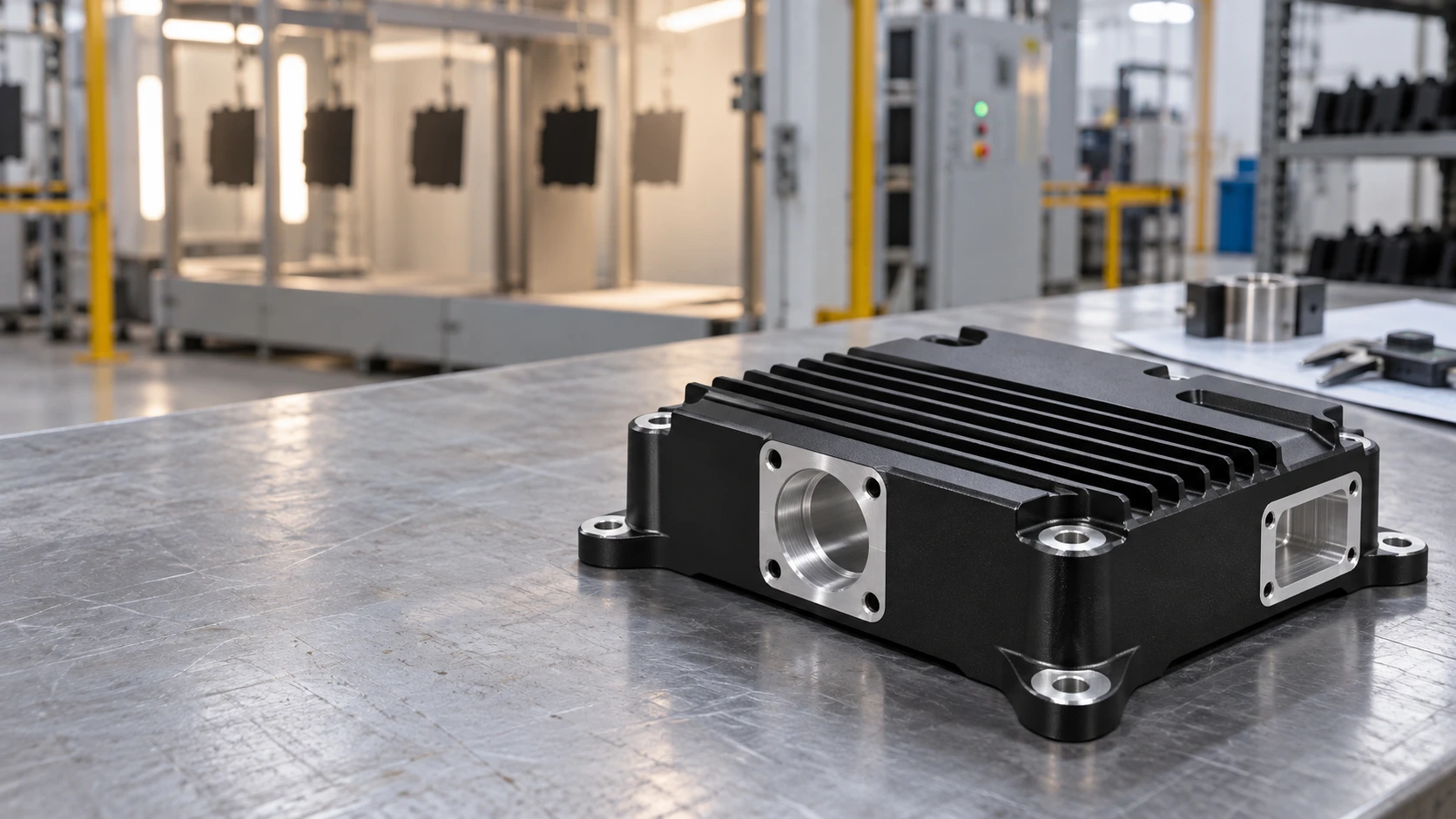
Complex shapes still challenge automatic spraying. Recesses, inside corners, return flanges, louvers, and crowded features can shield surfaces. Automatic guns may cover repeatable exterior faces while difficult areas need manual touch-up. Buyers should define which surfaces use each method and how samples establish acceptance.
Curing depends on the part, not only the oven setting. Thickness, mass, geometry, loading density, and line speed affect heating. The supplier should verify powder and cure conditions against the production configuration.
Inspection and change control protect repeatability
Consistency should be demonstrated through an agreed control plan. The drawing or finish specification should identify color, gloss, texture, cosmetic surfaces, masked zones, grounding points, threaded holes, mating faces, and any required coating thickness or performance checks. First-article approval should use production-intent racks and process settings where practical.
Revision control matters. Changes to holes, flanges, inserts, welds, or hanging points can affect grounding, spray access, masking, and fit. Coating review should be part of sheet metal DFM.
When Manual or Batch Powder Coating Is the Better Fit
Manual or batch coating suits oversized housings, low-volume orders, frequent color changes, prototype revisions, mixed geometries, and extensive masking or touch-up. It adds flexibility when a continuous line would lose time to setup or empty conveyor space.
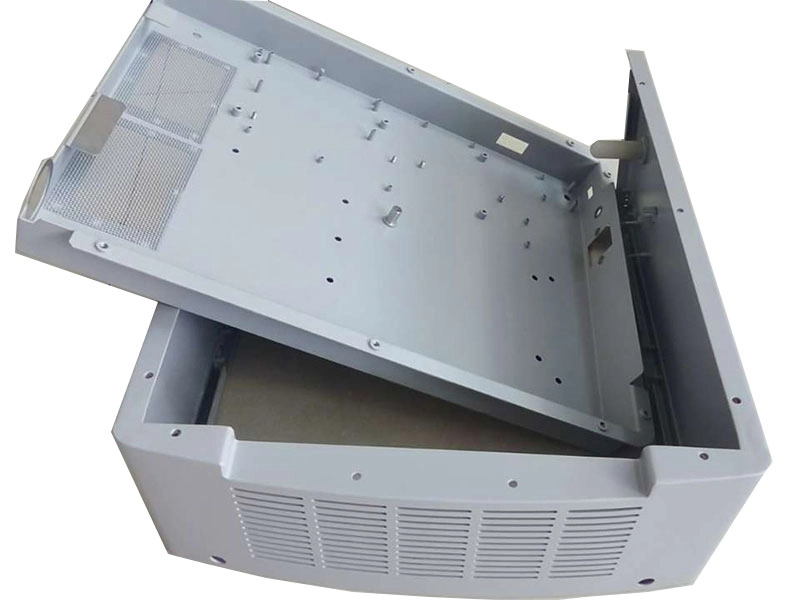
Large cabinets and welded boxes also need a capacity review that goes beyond nominal dimensions. Weight, maximum diagonal, lifting points, usable oven clearance, hanging direction, and cosmetic faces determine whether the part can move safely through a line. Buyers evaluating large enclosure powder coating should compare handling and batch options instead of assuming the automatic route is required.
A hybrid approach may be strongest: automatic coating for stable repeat parts, manual application for difficult recesses, and a separate manual line for oversized components. The right route can also change as a program matures from prototype to repeat production.
What OEM Buyers Should Confirm Before Awarding the Work
Start with the current 2D drawing and 3D model, material and thickness, part weight and envelope, annual demand and order pattern, color and texture, cosmetic surfaces, masked areas, critical fit points, packaging, and operating environment. Then ask the supplier to explain the proposed route.
The review should answer six questions: Can the part be grounded reliably? Does its geometry suit automatic spray access? Is manual touch-up required? Is cure verified for the loaded part? How are color and revision changes controlled? Which inspection records accompany first-article and repeat production?
Matching the Line to an Integrated Sheet Metal Supplier
Coating performance begins upstream. Burrs, oil, weld residue, inconsistent grinding, and unclear no-coat zones can become finish or assembly problems. Coordinated precision sheet metal manufacturing and finishing clarifies responsibility for these interfaces.
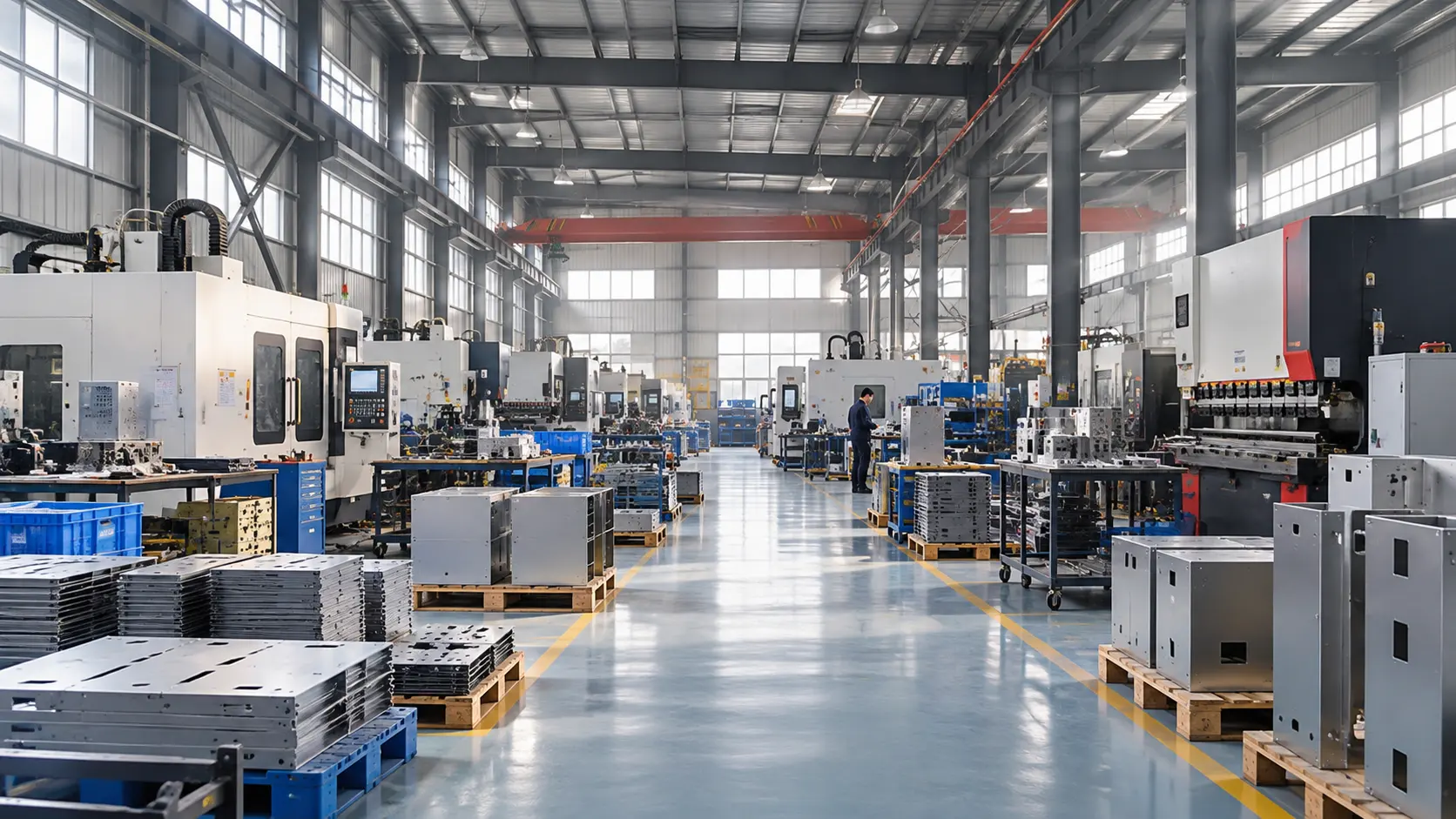
CK Metal Tech publicly lists one automatic powder coating line and one manual powder coating line for large parts and large boxes within its automatic and manual powder coating capabilities. It also lists laser cutting, punching, bending, riveting, welding, grinding, and wire drawing for sheet metal work in stainless steel, carbon steel, silicon steel, aluminum alloy, galvanized sheet, and aluminum-zinc coated sheet.
Those capabilities establish a relevant manufacturing route, but the actual fit remains conditional. CK Metal Tech should verify the drawing, material, dimensions, weight, rack orientation, finish, masking, lot pattern, cure requirements, inspection plan, and packaging before confirming whether the automatic line, manual line, or a combined route is appropriate.
Conclusion
An automated powder coating line improves efficiency and consistency when repeat parts can move through stable loading, spray, cure, and inspection conditions without pushing delays into another process. It is less compelling when orders are small, highly mixed, oversized, frequently revised, or dominated by masking and manual access.
For a practical fit check, send the drawing, material, dimensions, weight, annual and lot quantities, color, texture, masked areas, critical interfaces, application environment, and packaging requirements. OEM teams can request a coating-line fit review from CK Metal Tech before fixing the production route in an RFQ.
FAQ
Does an automated powder coating line always produce a more consistent finish?
No. It can reduce variation in motion and timing, but consistency still depends on preparation, grounding, rack design, spray access, powder control, cure verification, maintenance, and inspection.
What types of sheet metal parts are good candidates for continuous coating?
Repeat panels, covers, brackets, and enclosure components with stable geometry, compatible colors, reliable hanging points, and predictable demand are often good candidates. The supplier must still verify size, weight, access, and cure behavior.
When should an OEM choose manual powder coating?
Manual or batch coating may fit prototypes, small mixed lots, frequent color changes, oversized assemblies, complex recesses, and parts requiring extensive masking or touch-up.
What information is needed for a powder coating RFQ?
Provide drawings, material, thickness, dimensions, weight, quantities, order pattern, color, gloss or texture, cosmetic surfaces, masked zones, critical interfaces, environment, inspection needs, and packaging requirements.
Laisser un commentaire