





تشوانغكاي

أ أنا ل أ ن د

تحميل


الصفائح المعدنية والطلاء

اتصل بنا
متجه

التعليمات

صورة اتصل بنا

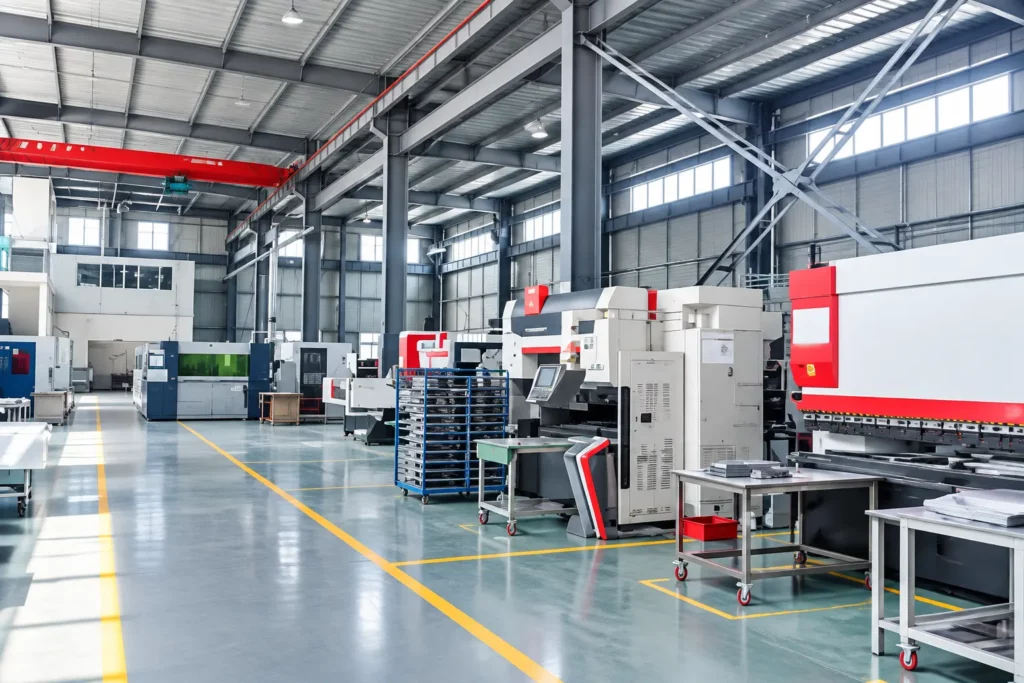
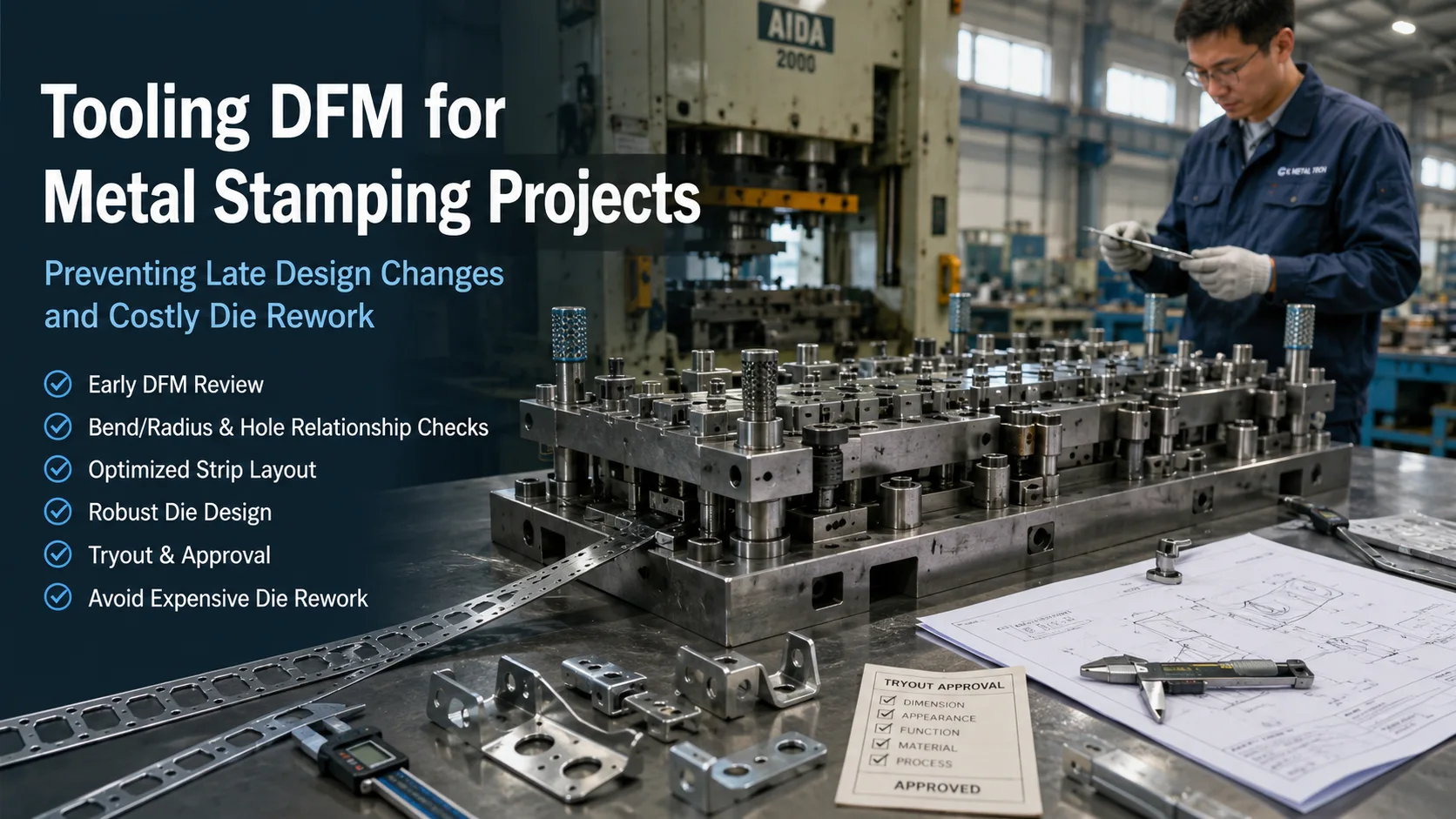
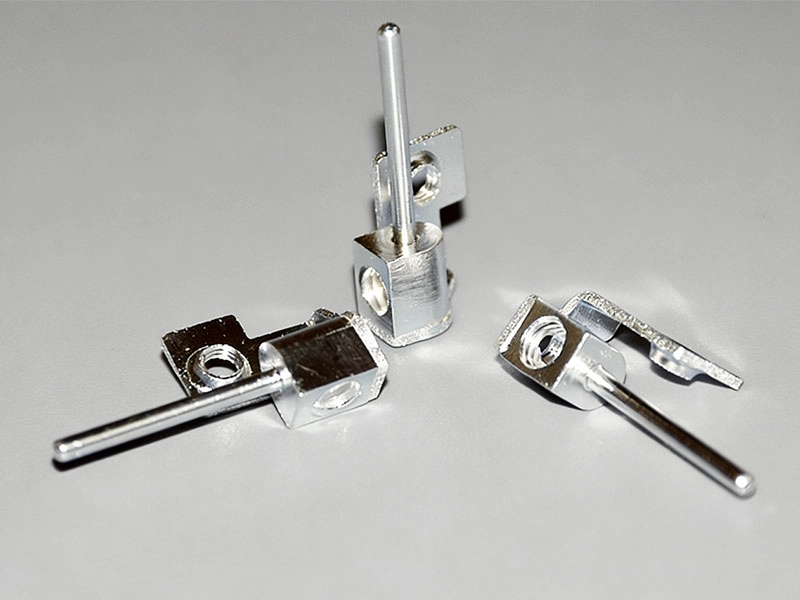
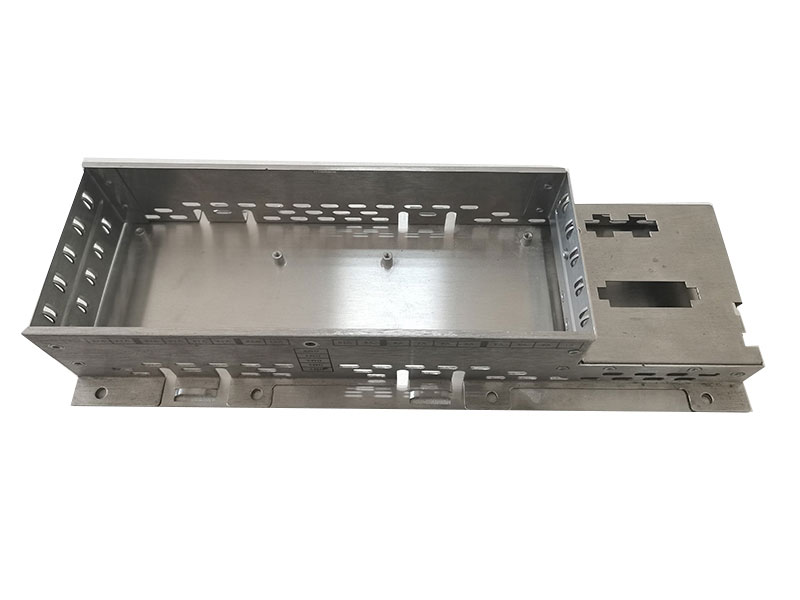
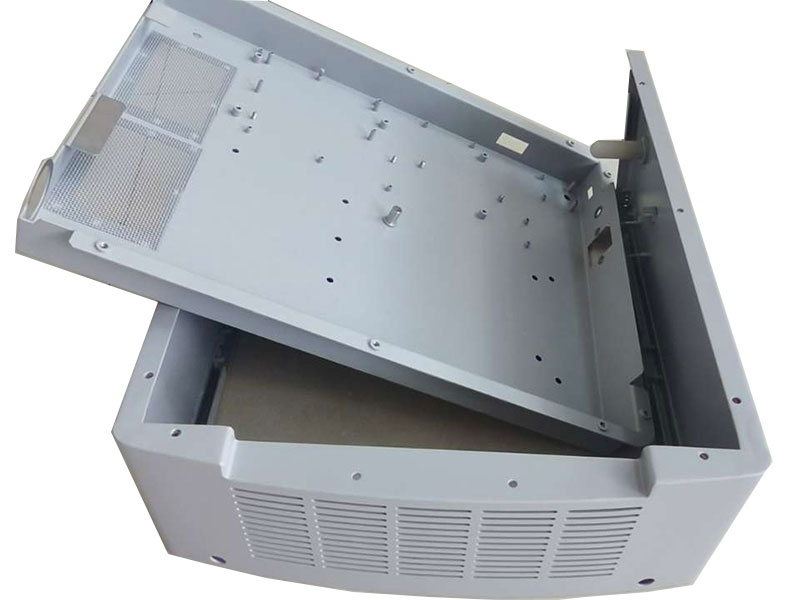
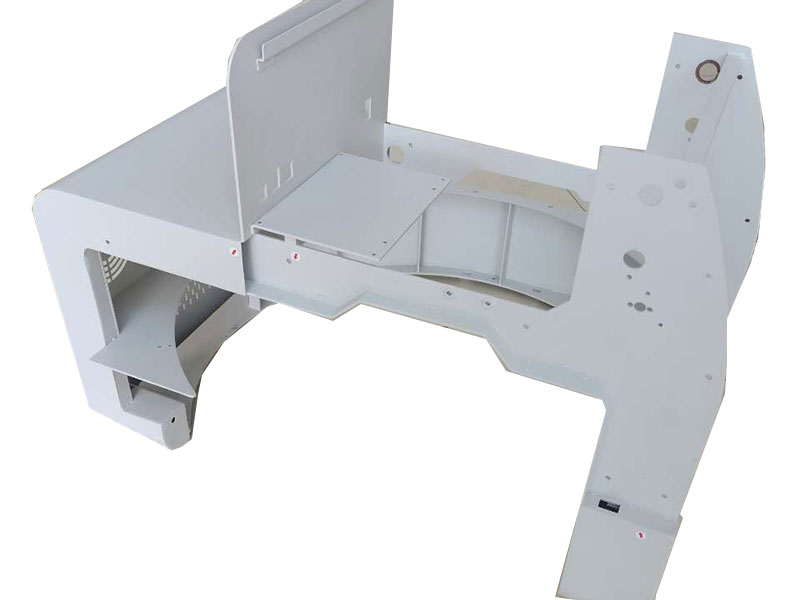
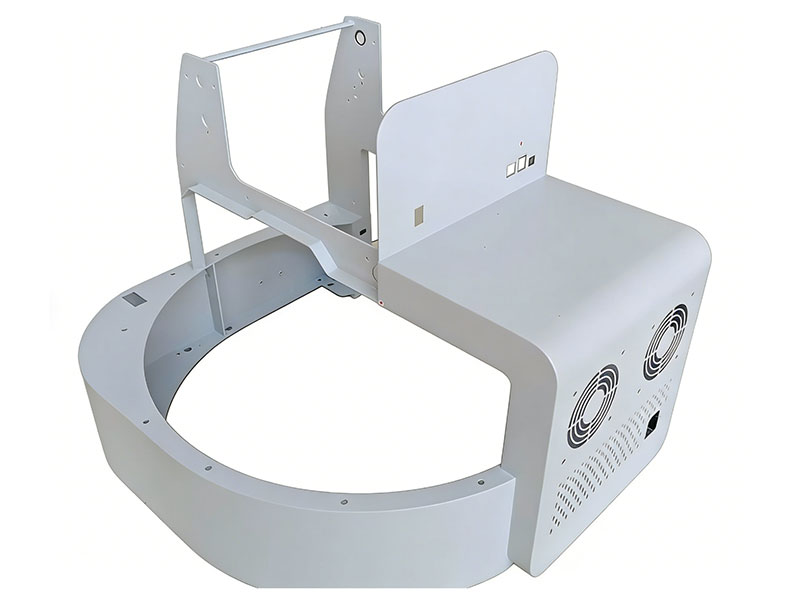
تُصنّع مكونات التشكيل بالضغط الدقيق باستخدام قوالب عالية الدقة من خلال التثبيت والتحديد الموضعي في محطة واحدة أثناء عملية التثقيب. ونظرًا لمتطلبات الدقة البُعدية الصارمة وتفاوتات الموضع المطلوبة لقطع العمل على آلات التشكيل بالضغط، فإن عمليات التشطيب الدقيقة، بما في ذلك شحذ القالب والمعالجة الحرارية ومعالجة السطح والتجميع، تُعدّ ضرورية. ولأن هذه المكونات تُنتج عادةً على دفعات صغيرة أو كأجزاء منفصلة، ​​فإن حجم الإنتاج يكون منخفضًا نسبيًا، مما يفرض بالتالي متطلبات أقل صرامة على الآلات. أثناء عملية التشكيل بالضغط، تتدفق المواد إلى تجويف القالب عبر فجوات فيه. وتحت الضغط، تخضع المادة لعملية فصل أو تشوه لدني لتحقيق الشكل والبنية المطلوبين. وبعد تخفيف الضغط، تُنتج عمليات التشكيل المُتحكّم بها المنتجات النهائية. وهذا ما يجعل التشكيل بالضغط تقنية كلاسيكية للسحب على البارد. وفي الإنتاج الفعلي، ولضمان جودة المنتج، وتعزيز الكفاءة، وتقليل الهدر، وترشيد استهلاك الطاقة، يُطبّق المصنّعون عادةً تدابير استراتيجية، منها: 1. استخدام الأدوات بشكل مناسب. 2. اختيار المواد الخام بشكل معقول. 3. وضع لوائح عملية معقولة. 4. تحسين التدريب التقني للمشغلين. 5. تحسين أتمتة الآلات. 6. تحسين ظروف العمل. خصائص تصنيع الأجزاء المختومة: (1) معدل استخدام عالٍ للمواد. (2) إمكانية تصنيع منتجات معقدة من صفائح رقيقة نسبيًا. (3) إمكانية تصنيع هياكل متنوعة تحتوي على أعمدة إنشائية. (4) إمكانية تشكيل تجاويف ذات جدران سميكة. (5) إمكانية التصنيع على مساحات واسعة من مواد الألواح. (6) سهولة الميكنة. (7) تسهيل إتمام الميكنة والأتمتة. (8) سهولة إكمال النظام.

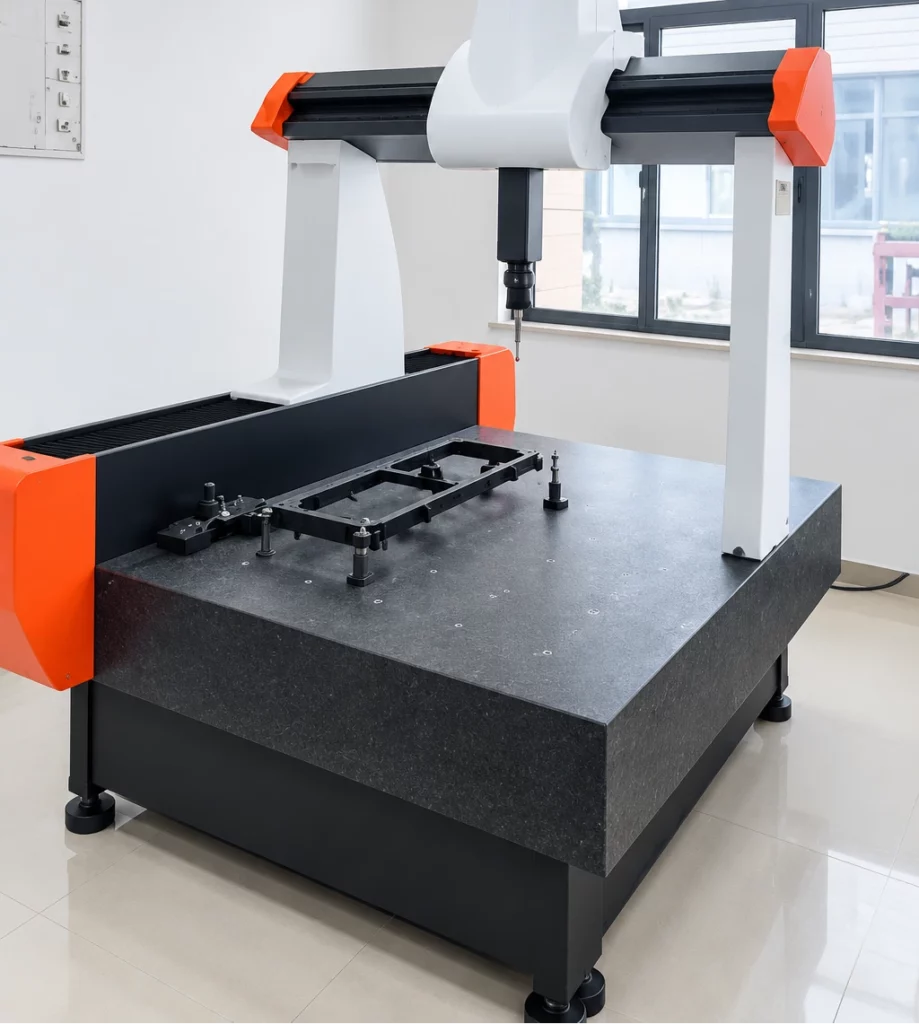
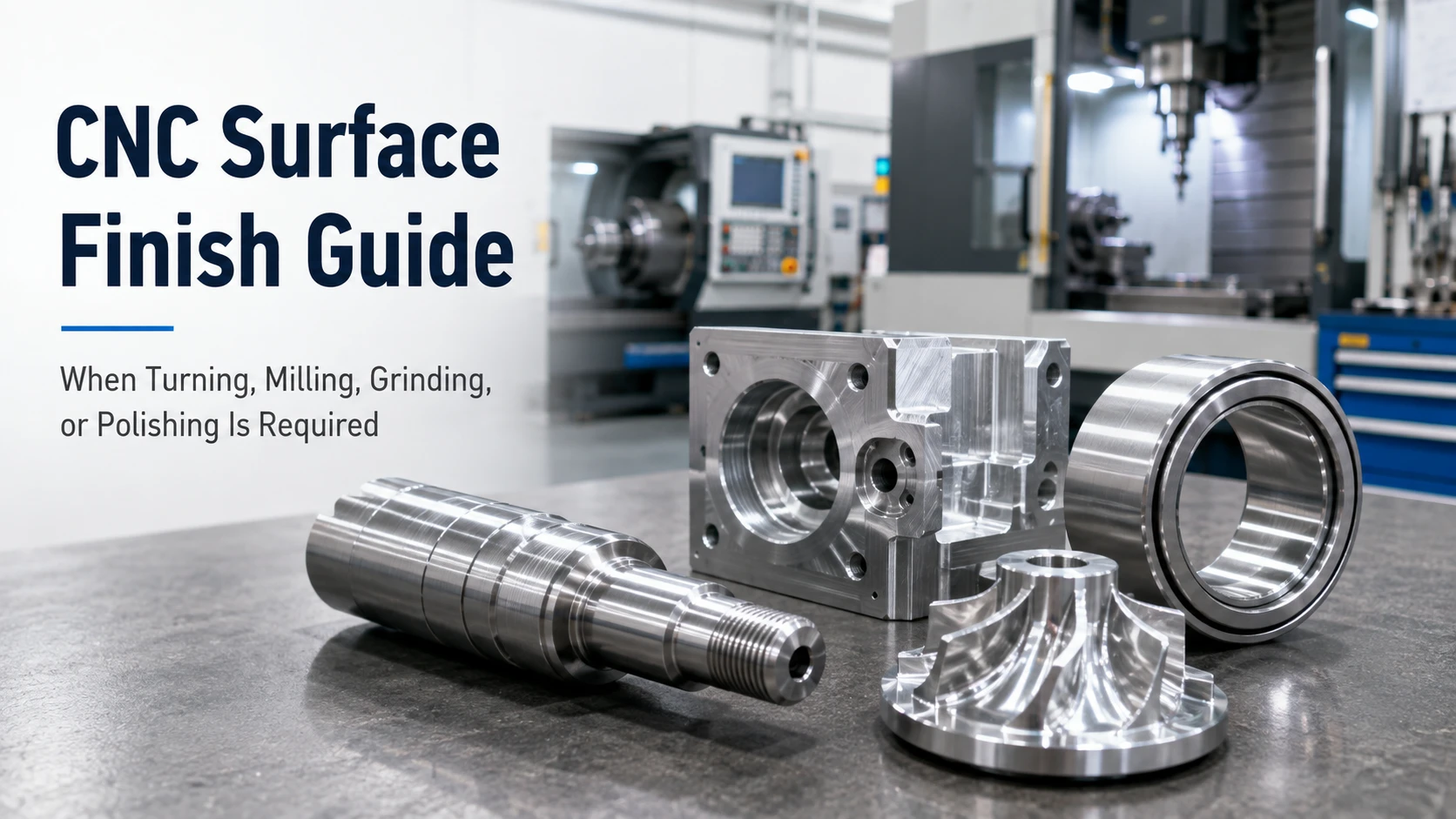
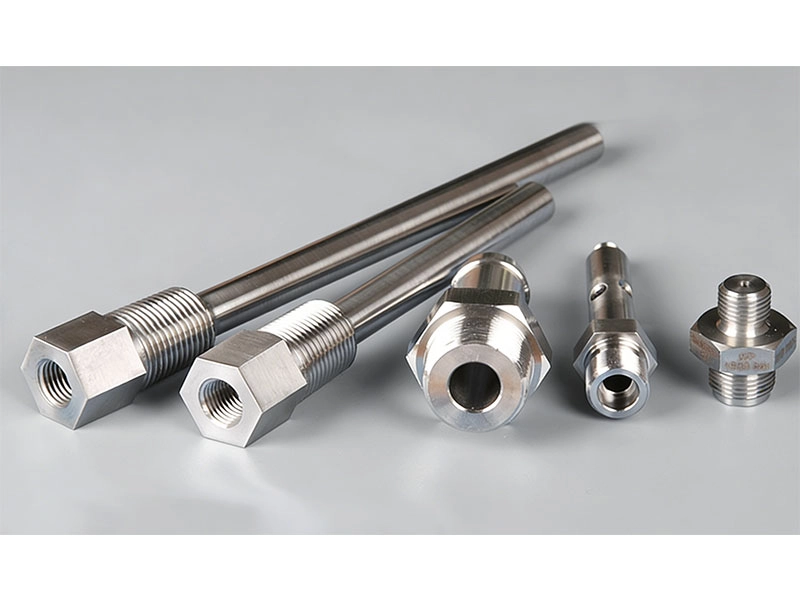
تتضمن صناعة الأجزاء الميكانيكية الدقيقة عادةً معالجة مكونات الآلات الدقيقة، الأمر الذي يتطلب تحقيق دقة عالية للغاية. لذلك، بالإضافة إلى فهم متطلبات المواد المحددة والتقنيات الشائعة لتصنيع الأجزاء الميكانيكية الدقيقة، من الضروري معرفة عملية الإنتاج كاملةً. فيما يلي، سنوضح المراحل الخمس لتصنيع الأجزاء الميكانيكية الدقيقة: 1. التشغيل الأولي: يتمثل الهدف الرئيسي في تحسين الإنتاجية. تتم إزالة معظم طاقة التشغيل من كل سطح، وتُنتج عملية التشغيل مستوى مرجعيًا. 2. التشطيب شبه النهائي: عادةً ما تُزال العيوب التي قد تنتج بعد التشغيل الأولي، ويتم تشغيل الأسطح الأولية والثانوية في الوقت نفسه. من الضروري تحقيق دقة تشغيل ثابتة لتسهيل التحضير لمرحلة التشطيب النهائي وضمان طاقة تشطيب مناسبة. 3. التشطيب النهائي: في مرحلة التشطيب النهائي، تُستخدم عادةً كمية قطع كبيرة، وكمية تغذية صغيرة، وعمق قطع منخفض لإزالة طاقة التشغيل المتبقية من مرحلة التشطيب شبه النهائي، بحيث يصل سطح الأجزاء الميكانيكية الدقيقة إلى المعيار الفني للرسومات. ٤. التلميع يُستخدم التلميع بشكل أساسي لتقليل خشونة السطح أو تقوية السطح المُعالَج، ويُستخدم بشكل رئيسي لمعالجة الأسطح التي تتطلب خشونة عالية. ٥. التشغيل فائق الدقة عادةً، تتراوح دقة تشغيل قطعة العمل بين ٠٫١ و٠٫٠١ ميكرومتر، وقيمة خشونة السطح (ra) أقل من أو تساوي ٠٫٠٠١ ميكرومتر، وذلك باستخدام الحفر الدقيق، والقطع المرآوي الدقيق، والطحن الدقيق، والتلميع. تتدرج عملية التشغيل الدقيق للمكونات الميكانيكية، المكونة من خمس مراحل، من الخشن إلى المُصقول، مع تحسين تدريجي للدقة. من خلال هذا النهج المنهجي، تُحقق المكونات المواصفات المطلوبة وفقًا لاحتياجات العميل. تتخصص شركة يونتو للتشغيل في تصنيع الأجزاء الميكانيكية الدقيقة. نقدم خدمات مُخصصة بناءً على الرسومات والمواد التي يُقدمها العميل، ونُقدم مكونات مُصممة بدقة عالية تُلبي جميع توقعات العميل.

أرسل لنا مجاناً
رسالة


    مؤخرًا
    مقالات المدونة

    Telecom Enclosure Design for Future 6G Infrastructure: Thermal Management, EMC, Corrosion and RFQ Checklist

    21
    أغسطس


    Telecom Enclosure Design for Future 6G Infrastructure Thermal Management, EMC, Corrosion and RFQ Checklist

    A telecom enclosure design for future 6G infrastructure should begin with equipment heat load, installation site, environmental exposure, electromagnetic compatibility, maintenance access, and manufacturing scope—not a “6G-ready” label. For equipment engineers and B2B buyers, the objective is to convert operating conditions into a buildable specification, a testable prototype, and a comparable RFQ.

    What “6G-Ready Telecom Enclosure” Can—and Cannot—Mean Today

    Separate Current Enclosure Requirements from Unfinished 6G Specifications

    IMT-2030, the ITU framework associated with 6G, is still progressing through technical requirements, candidate technology, evaluation, and approval. Its radio-interface performance requirements do not prescribe one sheet metal material, IP rating, cooling method, or corrosion class for telecom cabinets. A product may be designed for future-generation communication equipment, but “6G compliant enclosure” is not a complete specification unless the customer defines the equipment and acceptance requirements.

    أ 6G network communication box enclosure can serve as a build-to-print product example, but its thermal, EMC, ingress, and corrosion performance must still be verified against the application. RFQs should replace broad future-ready claims with measurable requirements.


    6G network communication box enclosure for future telecom equipment

    Define the Equipment, Installation Site, and Supplier Scope

    Indoor boxes, outdoor pole-mounted enclosures, roadside cabinets, and weather-protected housings face different temperature, moisture, contamination, vibration, and service conditions. ETSI environmental standards classify telecommunications equipment by deployment and environmental severity, so the site should be defined before materials and tests are selected.

    The OEM should provide equipment layout, heat dissipation, weight, mounting, cable interfaces, and access direction. The enclosure supplier converts those inputs into manufacturable panels, doors, joints, mounting features, and finishes. Buyers reviewing نبذة عن شركة تشجيانغ تشوانغكاي للتكنولوجيا الميكانيكية والكهربائية المحدودة. should distinguish confirmed manufacturing processes from project-specific performance claims.

    Balance Thermal Management, Ingress Protection, and Condensation Control

    Build the Thermal Input Before Selecting a Cooling Method

    Cooling cannot be selected from enclosure size alone. Define internal heat dissipation, component distribution, ambient temperature limits, solar exposure, allowable internal temperature, and expected dust loading. These factors determine whether passive, ventilated, or sealed cooling is appropriate.

    Open ventilation may suit a controlled indoor location but not a site exposed to rain, salt, or industrial contaminants. A highly sealed enclosure can improve ingress protection while trapping heat. The RFQ should state who is responsible for thermal analysis, prototype measurement, and approval.

    Prevent Condensation Without Compromising Environmental Protection

    An enclosure can resist external water and still develop internal condensation. Temperature cycling changes internal pressure, moisture may enter during maintenance, and humid air can condense on cooler metal surfaces. The risk depends on climate, sealing, shutdown cycles, internal heat, and orientation.

    Possible controls include pressure-equalizing vents, drainage, internal heaters, or controlled circulation. Prototype testing should use the final door, gasket, cable glands, filters, and installed accessories. If condensation occurs, review the complete moisture and temperature path rather than assuming the gasket alone failed.

    Design EMC Continuity into the Sheet Metal Enclosure

    Control Seams, Doors, Panels, Gaskets, and Grounding Paths

    A metal enclosure does not automatically provide adequate shielding. Electrical discontinuities can occur at doors, removable panels, hinges, painted joints, fasteners, and long seams. ETSI EN 300 386 defines EMC requirements for telecommunications network equipment, but compliance applies to the assembled equipment and its interfaces, not merely the metal housing.

    Drawings should identify conductive contact areas, grounding studs, gasket locations, fastener patterns, and surfaces that must remain free of insulating coating. Conductive gaskets may suit frequently opened panels, but selection depends on frequency range, compression, environment, and maintenance.

    Manage Ventilation and Cable Entries Without Creating Shielding Leaks

    Ventilation openings and cable entries often become weak EMC paths. Large louvers may improve airflow but interrupt shielding continuity. Cable glands may preserve environmental sealing while still requiring bonding, filtering, or controlled placement.

    Power, signal, and radio-frequency interfaces should be reviewed together with airflow and access. Powder coating can also isolate contact surfaces, so masked areas, door frames, grounding points, and fastener interfaces should be marked on the drawing. Final performance should be confirmed through system testing.

    Select Materials and Corrosion Protection for the Deployment Environment

    Compare Aluminum, Coated Steel, and Stainless Steel by Application

    Material selection should consider stiffness, weight, fabrication, welding, electrical continuity, corrosion exposure, coating compatibility, and lifecycle cost. Coated steel may suit many moderate environments; aluminum can reduce weight; stainless steel may suit more demanding exposure but can increase material and fabrication cost. No single option fits every outdoor telecom cabinet.

    Substitutions should require approval because alloy, coating, or temper changes may affect bending, welding, grounding, and corrosion.

    CK Metal Tech’s precision sheet metal manufacturing capabilities include laser cutting, punching, bending, riveting, welding, and processing of stainless steel, carbon steel, aluminum alloy, galvanized sheet, and aluminum-zinc-coated sheet. Suitability still depends on the drawing and deployment requirements.

    Prevent Edge, Fastener, Weld, and Galvanic Corrosion

    Corrosion commonly starts at cut edges, holes, welds, scratches, fasteners, and uncoated grounding areas. These locations may have thinner protection, heat-affected surfaces, trapped moisture, or dissimilar-metal contact.

    The RFQ should identify substrate, pretreatment, coating system, masking, fastener material, repair method, and acceptance criteria. Where different metals meet, review galvanic compatibility and consider isolation or sealing.

    A salt-spray duration alone is incomplete. Buyers should also define specimen condition, scribe method if applicable, evaluation criteria, and how the laboratory test relates to actual service exposure.

    Validate the Prototype Before Repeat Production

    Define Test Ownership and the Required Assembly State

    Thermal, EMC, ingress, corrosion, and mechanical checks may involve different parties. Thermal and EMC acceptance may require actual electronics, cables, software load, and cooling components.

    Testing an empty enclosure may not represent the completed system. Cable glands, vents, locks, mounting plates, and purchased hardware can change sealing, airflow, and electrical continuity. Define the test sample, assembly state, test owner, report format, and approval authority. Before repeat production, freeze approved drawings, materials, gaskets, masking, and inspection points.

    Review Common Failure Modes Before Production Approval

    Failure mode Likely issue Next action
    Internal overheating Heat input or cooling path undefined Recheck heat load and assembled airflow
    Condensation Temperature cycling or moisture path overlooked Review venting, drainage, heating, and shutdown conditions
    EMC leakage Continuity lost at a seam or penetration Inspect bonding paths and retest the system
    Water ingress Gasket compression or cable entry inconsistent Test the final assembled enclosure
    Edge corrosion Edges, welds, or fasteners lack protection Review pretreatment and local repair
    Door misalignment Fabrication or coating changed geometry Correct datums and assembly controls

    Prepare a Comparable RFQ and Qualify the Manufacturer

    Include the Technical Inputs Required for a Quote

    A custom telecom enclosure RFQ should include controlled 2D drawings, a 3D model, BOM, equipment layout, weight, heat dissipation, installation site, mounting method, ambient conditions, ingress requirements, EMC interfaces, material, finish, grounding points, cable entries, prototype quantity, annual volume, testing, assembly, and packaging.

    When requirements remain open, request a DFM review and prototype quotation rather than a production price based on assumptions. The quotation should identify drawing revision, included components, outsourced processes, testing responsibility, and exclusions.

    Evaluate Supplier Capabilities, Evidence, and Red Flags

    A qualified manufacturer should explain the route from cutting and bending through joining, finishing, inspection, assembly, and packaging. Ask how door alignment, gasket compression, conductive contact areas, masked features, cable openings, and engineering changes are controlled. Warning signs include unsupported “6G-ready,” “IP-rated,” or “EMC-shielded” claims, quotations without revision references, and no distinction between enclosure inspection and complete-system validation.

    CK Metal Tech provides precision metal manufacturing and assembly capabilities covering sheet metal processing, machining, stamping, surface finishing, and component assembly. Its website also lists communication enclosure products; the suitable process remains dependent on material, geometry, quantity, and application.

    خاتمة

    A telecom enclosure for future 6G equipment should be specified through measurable project conditions, not a future-ready label. Define the equipment, environment, heat load, EMC interfaces, moisture risks, corrosion exposure, maintenance access, and verification responsibility before comparing suppliers.

    Buyers can submit telecom enclosure drawings for a manufacturing review with the model, dimensions, material, site conditions, heat information, quantity, finish, testing expectations, and assembly scope. CK Metal Tech can then review the manufacturing route without treating unconfirmed thermal, EMC, ingress, or corrosion performance as an established product claim.

    الأسئلة الشائعة

    Is there a final 6G telecom enclosure standard?

    No universal final standard defines the material, cooling route, IP rating, or corrosion class for every 6G enclosure. Requirements should come from the specific equipment, deployment environment, applicable standards, and customer test plan.

    How do you cool a sealed telecom enclosure?

    The suitable method depends on internal heat, ambient temperature, solar exposure, enclosure size, allowable temperature, and ingress requirements. Options may include passive dissipation, heat exchangers, or sealed active cooling, subject to engineering verification.

    How does powder coating affect EMC shielding?

    Powder coating is electrically insulating and may interrupt grounding or bonding at doors, panels, fasteners, and contact surfaces. Drawings should identify masked conductive areas and final EMC test requirements.

    Which material is suitable for an outdoor telecom cabinet?

    The choice depends on weight, stiffness, fabrication, corrosion environment, coating system, electrical bonding, maintenance, and lifecycle cost. Material grade and finish should be verified against the deployment specification.

    What information is needed for a custom telecom enclosure quote?

    Provide drawings, BOM, equipment arrangement, weight, heat dissipation, installation method, environment, ingress and EMC requirements, material, finish, quantity, testing, assembly, and packaging.

    Does EU CBAM Apply to Custom Steel and Aluminum Parts? 2026 CN Code and Buyer Checklist

    20
    أغسطس


    Does EU CBAM Apply to Custom Steel and Aluminum Parts 2026 CN Code and Buyer Checklist

    Custom steel or aluminum content does not automatically place a part inside or outside the EU Carbon Border Adjustment Mechanism. To determine whether EU CBAM applies to custom steel and aluminum parts, buyers must classify the finished imported product, check its CN code against the current CBAM scope, monitor the importer’s annual covered net mass, and confirm what embedded-emissions information is available from the supply chain.

    CBAM entered its definitive regime on January 1, 2026. The following process helps OEM buyers identify the questions that require customs, legal, or emissions-data review before an order is placed.

    The Quick Answer: Material Alone Does Not Determine CBAM Scope

    Why the Imported Product’s CN Code Is the Starting Point

    CBAM applies to goods listed by CN code in Annex I of Regulation (EU) 2023/956. It does not apply automatically to every product containing carbon steel, stainless steel, or aluminum.

    An engineering description such as “machined aluminum housing” or “fabricated steel mounting bracket” may not provide enough information for customs classification. The finished product’s function, construction, imported condition, material, and intended use may all affect its final code.

    Buyers should therefore begin with the eight-digit CN code used for EU importation. A supplier may provide a proposed HS or CN code, but the EU importer remains responsible for confirming the declaration with its customs broker, competent authority, or qualified customs adviser.

    Why Custom-Made, Machined, or Finished Does Not Decide Coverage

    Manufacturing processes do not create an automatic CBAM exemption. Cutting, stamping, CNC machining, welding, bending, coating, or assembly may change the product’s form, but coverage still depends on the classification of the imported article.

    A component made from aluminum sheet classified under heading 7606 as raw material may no longer be imported under that heading after it becomes a complete equipment housing. Conversely, a fabricated component may fall under a broad heading for other articles of aluminum or steel.

    The same principle applies to multi-material assemblies. Buyers should classify the imported configuration rather than an earlier production stage or the material with the greatest purchase value.

    Which Custom Steel and Aluminum Parts May Be Covered?

    Steel Fasteners, Brackets, and Fabricated Parts

    Annex I includes heading 7318, covering iron or steel screws, bolts, nuts, rivets, washers, and similar articles. It also includes heading 7326 for other articles of iron or steel. This means certain fasteners, brackets, plates, and fabricated steel components may be covered. It does not mean every item described commercially as a bracket belongs under 7326.

    A specialized machine component could be classified differently from a general-purpose metal article. Stainless steel is also not automatically excluded; the applicable code, rather than the informal material name, controls the initial CBAM scope check.

    أ fabricated galvanized steel contact filter bracket provides a useful example of why buyers need the drawing, material, product function, installation method, and imported configuration before assigning a CN code. The product page can illustrate the manufactured part, but it should not be treated as a tariff ruling.


    Galvanized steel contact filter bracket with ventilation slots and mounting holes

    The current Annex I includes aluminum plates and sheets under 7606, certain structures and structural parts under 7610, and other articles of aluminum under 7616. Several additional aluminum categories are also listed.

    A CNC-machined aluminum housing could potentially fall under 7616, but it may instead be classified under a heading associated with machinery, electrical equipment, or another finished product category. A sheet metal enclosure manufactured from 7606 material does not necessarily retain the raw-sheet classification after fabrication.

    Buyers sourcing custom steel and aluminum sheet metal fabrication should therefore keep manufacturing capability separate from customs classification. The supplier can confirm the material, process, weight, and product description, while the importer verifies the code for the finished imported article.

    When the Part May Be Machinery or Electrical Equipment

    A metal component designed solely or principally for a particular machine may raise classification questions under Chapters 84 or 85. That does not mean every dedicated component belongs in those chapters. General-use parts, fasteners, structures, and articles described elsewhere may follow different rules.

    For uncertain products, provide the customs adviser with:

    • Complete drawings and photographs
    • Material and BOM
    • Product function
    • Installed location
    • Imported assembly condition
    • Details of any electrical or mechanical equipment supplied with it

    A Binding Tariff Information decision or equivalent professional review may be appropriate where the classification affects repeated or high-value imports.

    Apply the 2026 CBAM Scope and Threshold Checklist

    Confirm the CN Code, Origin, and Importer of Record

    After confirming the code, check whether it appears in the current Annex I. Also distinguish the country of origin from the shipping country. A product shipped from one country may have been manufactured or substantially transformed elsewhere.

    The buyer must then identify the importer of record and the entity responsible for the CBAM declaration. Depending on the customs arrangement, this may be the EU importer or an eligible indirect customs representative.

    Maintain a classification register that connects each part number with its description, CN code, origin, supplier, net mass, and responsible importer. This reduces the risk of treating the same component differently across purchasing, customs, and sustainability systems.

    Calculate the 50-Tonne Threshold Correctly

    For iron and steel, aluminum, cement, and fertilizers, the current de minimis exemption uses one cumulative mass-based threshold of 50 tonnes per importer per calendar year. It is not calculated separately for each shipment, SKU, supplier, or CN code.

    The relevant net mass is aggregated across covered codes in those four sectors. If an importer exceeds the threshold during the calendar year, the regulation applies to the embedded emissions of all covered goods imported by that importer during that year—not only the quantity above 50 tonnes.

    Procurement teams should set an internal warning below the threshold so that authorisation and data collection do not begin after it has already been exceeded.

    Separate the Importer’s Obligations from the Supplier’s Role

    What the EU Importer or Authorized Declarant Must Manage

    Importers above the applicable threshold must address authorised CBAM declarant status, maintain import and emissions records, submit the annual declaration, and surrender the required certificates. The European Commission states that the first declaration covering 2026 imports is due by September 30, 2027.

    The importer also decides whether to rely on applicable Commission default values or report actual embedded emissions. This requires coordination among customs, procurement, sustainability, finance, and legal teams.

    What a Non-EU Parts Supplier May Need to Provide

    A non-EU metal parts manufacturer is generally not the EU declarant. Its practical role is to support the importer with accurate product and supply-chain information.

    Depending on the product and reporting method, requested information may include:

    • Product identification and net mass
    • Material specification and origin
    • Purchased precursor materials
    • Upstream production installation
    • Production-route information
    • Actual embedded-emissions data
    • Verification status
    • Carbon price paid in the country of origin, where relevant

    A mill certificate confirms material chemistry or grade; it does not by itself provide complete CBAM emissions information.

    What CBAM Data Should Buyers Request?

    Product, Material, Weight, and Installation Traceability

    Data should be linked to a part number, revision, production batch, and material source. Buyers should distinguish finished-product net mass from raw-material input and manufacturing scrap.

    When a component combines fabricated sheet, machined inserts, fasteners, castings, or purchased profiles, the supplier should identify which inputs can be traced to their upstream installations. A trader’s name alone may not identify the plant where steel or aluminum was produced.

    Material substitutions and changes in upstream source should trigger notification because they may change both technical performance and emissions data.

    Actual Embedded Emissions Versus Default Values

    The Commission permits importers to use actual values or applicable default values. When actual values are used, the third-country producer must provide verified information on total embedded emissions in accordance with the definitive-regime rules.

    A lower unit price should not be reviewed separately from data readiness. A supplier with incomplete upstream information may create additional administrative work or force the importer to use default values. The commercial effect depends on the applicable rules, product classification, emissions methodology, and certificate price.

    Use a Custom-Parts Decision Table Before Seeking a Classification Ruling

    Product scenario Possible classification question Buyer’s next action
    Steel screw, bolt, nut, rivet, or washer Could fall under heading 7318 Confirm the exact eight-digit CN code
    Fabricated steel mounting bracket Could fall under 7326 or another heading Submit drawings, function, and material for review
    CNC-machined aluminum housing Could fall under 7616 or a machinery/electrical heading Classify the finished imported product
    Sheet metal equipment enclosure Material and final function may lead to different headings Review the complete assembly and intended use
    Multi-material mechanical assembly Classification may follow the complete product Provide the BOM and functional description
    Housing imported with equipment installed May differ from an empty enclosure Classify the actual imported configuration

    These examples identify classification questions; they are not customs rulings.

    Add CBAM Requirements to the RFQ and Supplier Review

    Add Classification and Emissions Fields to the RFQ

    A CBAM-aware RFQ should request the technical and supply-chain information required to assess the imported part. Useful fields include the material grade, product net mass, country of origin, proposed classification if available, upstream material supplier, production installation, availability of actual emissions data, verification status, and purchased-component information.

    The RFQ should distinguish among:

    • Data available with the quotation
    • Data requiring an upstream request
    • Data available only after order placement
    • Data the supplier cannot provide

    It should also require notification when the material grade, mill, smelter, precursor supplier, or manufacturing route changes.

    CBAM data collection can become more difficult when sourcing, machining, fabrication, finishing, and assembly are divided among unrelated companies. The existing guide to تصنيع المعادن الدقيقة في مكان واحد explains the broader process-responsibility issues that arise when multiple manufacturing stages must be coordinated.

    Compare Data-Ready and Data-Poor Suppliers

    A data-ready supplier should be able to connect the part, production batch, material batch, and upstream source without making unsupported legal claims. Evidence may include structured product records, material documents, facility information, change controls, and a named person responsible for data requests.

    Treat phrases such as “CBAM certified” or “fully CBAM compliant” cautiously. CBAM does not replace the importer’s legal responsibility, and a supplier’s general statement does not confirm the product code, threshold calculation, emissions methodology, or verification status.

    Incomplete data does not necessarily require immediate supplier replacement. Buyers can begin with a limited data trial on representative parts and identify gaps before awarding long-term volume.

    How CK Metal Tech Can Support the Manufacturing Review

    Zhejiang Chuangkai Mechanical and Electrical Technology Co., Ltd., operating as CK Metal Tech, provides custom steel and aluminum parts manufacturing capabilities covering sheet metal processing, machining, stamping, welding, surface finishing, and component assembly. The published material range includes carbon steel, stainless steel, aluminum alloy, galvanized sheet, and aluminum-zinc-coated sheet.

    These manufacturing capabilities do not determine a product’s CN code or establish the availability of verified CBAM emissions data. For an EU-bound project, CK Metal Tech would need to review the drawing, BOM, material, finished weight, volume, imported configuration, and requested documentation. Availability of upstream installation and emissions information should be confirmed for each supply chain.

    Monitor Current Rules Separately from Proposed Expansion

    The current scope should be assessed under the legislation in force when the goods are imported. Separately, EU institutions are considering an extension to additional steel- and aluminum-intensive downstream goods.

    The Council adopted its negotiating position in June 2026, and the European Parliament’s environment committee subsequently backed an expanded downstream scope. The proposal remains subject to the EU legislative process and should not yet be treated as the final operative product list.

    Buyers with multiyear contracts should review classifications regularly and include provisions covering new data duties, scope changes, and cost reassessment.

    خاتمة

    EU CBAM coverage for a custom metal part cannot be decided from material or manufacturing method alone. Confirm the finished product’s CN code, check the current Annex I, identify the importer, monitor the annual mass threshold, and assess supplier emissions-data readiness before comparing landed cost.

    EU buyers may submit custom metal part drawings and CBAM data requirements together with the BOM, material, product weight, annual quantity, intended use, destination, existing HS or CN code, and required supplier documentation. CK Metal Tech can review the manufacturing route and identify which requested product and material records require project-specific confirmation.

    This article provides general purchasing and compliance information. Product classification and CBAM obligations should be confirmed with the importer’s customs broker, competent authority, or qualified legal and customs adviser.

    الأسئلة الشائعة

    Are CNC-machined aluminum parts covered by EU CBAM?

    They may be. Coverage depends on the CN code of the finished imported component. CNC machining and use of CBAM-covered aluminum input material do not independently establish the final classification.

    Are steel brackets and sheet metal enclosures subject to CBAM?

    Some may fall under covered Chapter 73 headings, while others may be classified according to a particular mechanical, electrical, or structural function. Review each imported configuration individually.

    Is the 50-tonne CBAM threshold per shipment or per year?

    It is an annual cumulative threshold per importer for covered goods in the four mass-based sectors. It is not a separate threshold for each shipment, supplier, part number, or CN code.

    Who is responsible for CBAM—the importer or the manufacturer?

    The EU importer or eligible indirect customs representative carries the legal declaration and certificate obligations. The non-EU manufacturer supports the process by providing accurate product, material, origin, weight, facility, and emissions information.

    What data should a metal parts supplier provide for CBAM?

    Buyers may need product identification, net mass, material, origin, upstream production installation, embedded-emissions information, verification status, purchased-component data, and notification of material or source changes.

    Sheet Metal Design for AI Server Racks and Data Center Cabinets: Strength, Airflow, Cooling Integration and RFQ Checklist

    14
    أغسطس


    Sheet Metal Design for AI Server Racks and Data Center Cabinets Strength, Airflow, Cooling Integration and RFQ Checklist

    AI server rack design must connect structural strength, airflow, cooling hardware, service access, and sheet metal manufacturability before drawings are released for quotation. A cabinet may fit every listed component yet still fail if rails deflect, exhaust air recirculates, cables block the rear path, or a late-added coolant manifold interferes with removable panels. The practical goal is to convert equipment loads and cooling architecture into a buildable data center cabinet design, a testable prototype, and an RFQ that different suppliers can quote on the same basis.

    Define the Rack, Cabinet, and Cooling Scope Before Designing the Sheet Metal Structure

    Distinguish AI Server Racks, Data Center Cabinets, and Aisle Containment

    An open rack mainly supports equipment, rails, power distribution, and cables. A cabinet adds doors, side panels, top panels, access control, and a more controlled internal air path. Aisle containment is a room-level airflow system and should not be confused with the cabinet.

    Buyers should identify responsibility for rails, filters, blanking panels, PDU brackets, cable accessories, grounding hardware, and final assembly. A rack fabricator may not cover containment panels, facility ducting, or coolant distribution equipment. Without a clear boundary, suppliers may quote different products under the same description.

    Translate Air-Cooled, Liquid-Ready, and Hybrid Cooling into Mechanical Requirements

    An air-cooled rack needs an unobstructed inlet and exhaust route. A liquid-ready design may also require manifold brackets, hose routing, quick-connect access, drip-management provisions, and service clearance. A hybrid rack must accommodate both liquid hardware and residual air-cooled loads.

    ASHRAE recommends matching cooling architecture and airflow management to AI rack density and treating power and cooling as connected design decisions. Before freezing the sheet metal geometry, confirm the cooling method, component envelopes, service direction, and responsibility for thermal validation.

    Design the Structure Around the Actual Load Path

    Define Static Load, Center of Gravity, Anchoring, and Transport Conditions

    Total equipment weight is only the starting point. Door-mounted hardware, PDUs, cables, manifolds, rear cooling assemblies, and extended service trays can change local loading and stability. State whether the cabinet will remain fixed, move on casters, be anchored, or ship with equipment installed.

    The RFQ should identify installation orientation, lifting points, floor interfaces, service extension conditions, and transport expectations. A structure suitable for stationary use may not be suitable for loaded shipment. Missing these inputs prevents a defensible decision about reinforcement, base geometry, or connection design.

    Select Material, Sheet Thickness, Stiffeners, and Joint Types

    Increasing sheet thickness is not the only way to raise stiffness. Folded edges, return flanges, formed ribs, localized supports, closed sections, and shorter unsupported spans may control deflection with less added mass. The right route depends on cabinet size, openings, load location, production volume, and shipping method.

    Structural Route Suitable Use Main Purchasing Checks
    Welded frame Fixed installation requiring rigidity Distortion, datum control, finish access
    Bolted frame Modular design or shipment in sections Joint security, alignment, repeat assembly
    Hybrid structure Rigid load path with removable modules Tolerance stack-up and interface control

    Any thickness or reinforcement proposal should be checked against the actual load case rather than copied from a standard enclosure.

    Create a Controlled Airflow Path Through the Cabinet

    Design the Front-to-Rear Air Path, Doors, and Leakage Control

    For front-to-rear-cooled equipment, the intake area should align with server inlets and the rear zone should remain clear. Perforated doors must balance open area with stiffness, hinge loading, security, and filtration. A universal perforation percentage is unsuitable because pressure drop depends on pattern, occupied area, equipment fans, and system configuration.

    Unused rack positions and panel gaps can create bypass airflow. Define blanking requirements, door seals, side clearances, and filter arrangements. Assess the prototype as an assembled cabinet with representative doors, rails, and components, not as isolated sheet metal parts.

    Prevent Recirculation, Cable Blockage, and Top-of-Rack Hot Spots

    Hot exhaust can return through open rack spaces, gaps around doors, top openings, or congested rear zones. Cable bundles, PDUs, crossmembers, and cooling hoses may also restrict exhaust flow.

    Blanking panels, baffles, disciplined cable routes, and clear exhaust zones can reduce cabinet-level recirculation, but they cannot correct an unsuitable room layout.


    Medical and industrial equipment chassis assembly with cooling grilles and internal mounting rails

    An industrial equipment chassis with cooling grilles and internal mounting rails shows how ventilation features, filters, supports, modular access, and assembly must be planned together. The referenced CK Metal Tech product serves medical, industrial testing, and communication applications, so it is a structural example rather than an AI rack performance claim.

    Prepare the Cabinet for Cooling Components and Service Access

    Plan Interfaces for Manifolds, Hoses, Fans, and Rear-Door Systems

    A liquid-ready rack may need adjustable manifold brackets, controlled hose bend space, protected quick-connect locations, and separation between coolant paths and sensitive electrical areas. A rear-door heat exchanger or fan-assisted door may add weight to the hinge side and change rear service clearance.

    Include component interface drawings, estimated weight, connection direction, removal path, and responsibility for brackets or purchased hardware. Adjustable interfaces may suit an evolving cooling system, but excessive adjustability can reduce stiffness and complicate repeat assembly.

    Design Removable Panels for Maintenance, Inspection, and Replacement

    Doors and panels should provide access without forcing technicians to disconnect unrelated cables or coolant lines. Review tool clearance, lifting method, panel weight, fastener retention, grounding continuity, and the sequence for removing a manifold, PDU, fan unit, or server.

    More removable panels are not automatically better. Each joint can introduce alignment variation, leakage paths, and grounding requirements. Use removable construction where it supports real maintenance tasks and fixed structure where rigidity matters more.

    Apply Sheet Metal DFM and Validate the Prototype

    Control Bending, Welding, Fasteners, Tolerances, and Grounding Surfaces

    Bend variation, weld shrinkage, hardware position, panel flatness, and coating buildup can combine into door, rail, or equipment-alignment problems. Drawings should identify functional datums, assembly-sensitive interfaces, grounding surfaces, masked threads, and dimensions that apply after finishing.

    CK Metal Tech’s precision sheet metal manufacturing capabilities include CNC laser cutting, punching, bending, riveting, welding, grinding, and processing of several industrial sheet materials. Suitability depends on the drawing, dimensions, material, quantity, and inspection requirements. Buyers can also review powder coating vs wet painting for sheet metal parts when defining cosmetic areas, masking, grounding points, corrosion expectations, and assembly interfaces.

    Validate Structure, Fit, Airflow, and Transport Before Repeat Production

    Prototype approval should cover more than individual dimensions. A representative build may need rail alignment, door operation, panel fit, grounding continuity, equipment installation, cable routing, cooling-component clearance, and packaging review. Structural, airflow, and thermal testing responsibilities must be agreed before the order because a fabrication supplier may build to validated drawings without providing facility-level thermal engineering.

    Before repeat production, freeze approved revisions, fixtures, inspection points, purchased components, packaging, and change-control rules. A successful hand-built sample does not prove repeatability without a defined production process.

    Prepare the RFQ and Qualify a Sheet Metal Rack Manufacturer

    Include the Technical Inputs Needed for a Comparable Quote

    A custom server rack RFQ should include:

    • Controlled 2D drawings, 3D models, BOM, and revision status
    • Dimensions, equipment layout, rail interfaces, and component weights
    • Static, service, anchoring, lifting, and transport conditions
    • Air, liquid-ready, or hybrid cooling architecture
    • Door, cable, PDU, fan, filter, and manifold requirements
    • Material, finish, grounding, masking, and cosmetic specifications
    • Prototype quantity, production volume, inspection, assembly, and packaging scope

    When the design is not frozen, request a DFM and prototype quotation rather than a production price based on unresolved assumptions.

    Evaluate Supplier Capabilities, Evidence, and Red Flags

    A qualified data center cabinet manufacturer should explain how cutting, bending, joining, finishing, inspection, trial assembly, and packaging remain controlled. Ask how functional datums are maintained, how cabinet-level fit is checked, which processes are subcontracted, and how revisions reach production.

    Red flags include quotations without a revision, vague load assumptions, no review of cooling hardware, and no cabinet-level assembly check. Zhejiang Chuangkai Mechanical and Electrical Technology Co., Ltd., operating as CK Metal Tech, combines sheet metal processing, machining, stamping, surface finishing, and assembly through its قدرات تصنيع المعادن الدقيقة المتكاملة. Each AI server rack or data center cabinet still requires project-specific review.

    خاتمة

    A reliable AI server rack begins with a defined load path, controlled airflow, confirmed cooling interfaces, service access, and a manufacturing plan that accounts for bending, welding, hardware, finishing, and assembly. Generic sheet thickness, perforation percentages, or “liquid-ready” labels cannot replace application-specific review.

    Buyers can submit drawings for a custom server cabinet manufacturing review with the 2D drawings, 3D model, BOM, dimensions, material, equipment weight, cooling configuration, target quantity, inspection scope, and packaging requirements. CK Metal Tech can then assess the requested route against its available fabrication and assembly processes.

    الأسئلة الشائعة

    How do I select sheet metal thickness for an AI server rack?

    Thickness depends on the load path, unsupported span, openings, formed geometry, joint type, equipment weight, service conditions, and transport method. Review local deflection and interface stability rather than selecting thickness from total weight alone.

    Does every AI server rack need liquid cooling?

    No. The suitable architecture depends on heat output, rack density, facility conditions, server design, and operating plan. Air-cooled, liquid-ready, and hybrid configurations require different mechanical interfaces.

    How can a server cabinet reduce hot-air recirculation?

    Align intake and exhaust openings with the equipment, close unused rack spaces, reduce bypass gaps, keep cables and accessories out of the exhaust path, and coordinate the cabinet with aisle-level air management.

    What information is needed for a custom server rack quote?

    Provide drawings, BOM, dimensions, equipment layout and weight, cooling architecture, rail and accessory interfaces, material, finish, grounding, masking, quantities, inspection, assembly, and packaging requirements.

    How do I choose a data center cabinet manufacturer?

    Evaluate the manufacturing route, datum control, joining methods, finishing, cabinet-level assembly, inspection evidence, revision control, subcontractor management, prototype-to-production planning, and technical communication.

    How to Source Semiconductor Equipment Frames and Enclosures: Supplier Qualification and RFQ Checklist

    13
    أغسطس


    How to Source Semiconductor Equipment Frames and Enclosures Supplier Qualification and RFQ Checklist

    Choosing a semiconductor equipment frame supplier requires more than comparing prices. A frame or enclosure may meet individual dimensions yet still create problems when doors, rails, panels, and internal modules are assembled. Buyers must connect design intent, manufacturing route, inspection, revision control, and capacity. This guide explains how to prepare a quote-ready RFQ, qualify a semiconductor equipment enclosure manufacturer, reduce dimensional and finishing risks, and select a supplier for prototype, NPI, or repeat production.

    Define the Frame and Enclosure Scope Before Sending an RFQ

    Distinguish Frames, Enclosures, Chassis, and Process Chambers

    A welded frame normally carries loads and establishes equipment geometry. A sheet metal enclosure protects internal components and may include doors, removable panels, ventilation features, mounting rails, cable openings, and grounding points.

    Process chambers are different because vacuum, process gases, controlled atmospheres, or special cleanliness requirements may demand capabilities beyond structural fabrication. The RFQ should separate manufactured parts, purchased components, customer-supplied items, and final assembly duties, including panel fitting, hardware installation, functional checks, and module-level packaging.

    This distinction prevents a common sourcing error: selecting a capable general fabricator for a component that requires application-specific sealing, cleanliness, or validation. It also prevents missing costs when a quoted frame excludes the panels, hardware, purchased items, or assembly work needed to make it usable.

    Identify Functional Datums, Interfaces, Loads, and Conditions

    “High precision” is not a usable purchasing specification. Engineering teams should identify the surfaces, holes, rails, and interfaces that control installation or performance. These may include base mounting points, module interfaces, door openings, grounding surfaces, and alignment features.

    The suitable structure depends on size, load, stiffness, weight, corrosion exposure, service access, and finishing requirements. Welded steel, formed sheet metal, aluminum structures, machined bases, and cast iron assemblies suit different conditions. A wafer dicing equipment cast iron frame assembly, for example, should be reviewed as a combined route involving structure, machined interfaces, inspection, and assembly rather than as a generic metal part.


    Wafer dicing equipment cast iron frame assembly for semiconductor equipment

    Before requesting quotations, buyers should confirm which features are functional datums, which surfaces contact other modules, and whether the supplier must verify the completed assembly rather than individual components.

    Build a Quote-Ready Semiconductor Equipment Enclosure RFQ

    Provide Controlled Drawings, Models, BOMs, and Revisions

    A useful semiconductor equipment enclosure RFQ should include current 2D drawings, 3D models when available, a BOM, revision status, material requirements, and expected quantities. The 2D drawing should control tolerances, datums, finishes, inspection notes, and special requirements.

    Identify the controlling file and require the quotation to state the reviewed revision. Customer-supplied parts, standard hardware, and supplier-purchased items must be marked clearly. Otherwise, two suppliers may appear to quote the same assembly while including different materials, fasteners, finishing operations, or inspection work.

    When a design is still changing, request a DFM review and prototype quotation before asking for a firm production price. This allows the supplier to identify inaccessible welds, difficult bend sequences, coating conflicts, uncertain datums, and features that may require machining after fabrication.

    Specify CTQs, Finish, Inspection, Volumes, and Packaging

    Critical-to-quality characteristics should relate to function. Tightening every dimension may raise cost without improving assembly, while leaving mounting interfaces undefined can make a compliant frame unusable.

    State prototype quantity, batch size, annual demand, material, surface finish, cosmetic zones, masking areas, grounding points, inspection records, labeling, and packaging. The supplier should know whether dimensions apply before or after coating and which threads, electrical contact areas, locating surfaces, or slots must remain free of buildup.

    Packaging also belongs in the RFQ. Large frames may require defined lifting and restraint, while finished panels need protection against rubbing, edge impact, moisture, or mixed-part contact. These details help suppliers quote comparable scopes instead of hiding different assumptions behind different unit prices.

    Evaluate the Supplier’s Complete Manufacturing Route

    Review Structural Fabrication and Machined Interfaces

    A semiconductor equipment frame manufacturer should explain the route from raw material to approved assembly. For a welded structure, that may include cutting, fixture setup, welding sequence, intermediate checks, correction, post-weld machining where needed, surface finishing, dimensional inspection, and trial assembly.

    Ask how datums are established before welding, protected during fabrication, and verified afterward. Post-weld machining may be appropriate when welding cannot reliably hold a mounting surface or hole pattern, but it is not required for every design. The decision depends on structure, tolerance, access, and risk.

    Critical outsourced operations should also be disclosed. Outsourcing is not automatically unsuitable, but the main supplier should explain specification control, batch identification, incoming verification, and responsibility for nonconforming work. The quotation should cover the completed manufacturing route rather than only the processes performed in-house.

    Verify Enclosure Fabrication, Finishing, and Assembly

    For equipment housings, check whether the supplier can connect cutting, bending, hardware insertion, welding, grinding, finishing, and assembly. CK Metal Tech’s precision sheet metal manufacturing capabilities include laser cutting, CNC punching, bending, riveting, welding, grinding, and processing of several commonly used industrial sheet materials. Suitability still depends on the drawing, material, size, finish, and inspection plan.

    Buyers should confirm when doors, panels, hinges, rails, fasteners, and internal mounting features will be trial-fitted. Features affected by coating should be reviewed before finishing. Shipping separate parts without checking the assembled condition may transfer tolerance and fit problems to the equipment builder.

    Where possible, prototype approval should include representative internal components or checking fixtures. This reveals whether the enclosure functions as an assembly, not merely whether each component passes an isolated measurement.

    Prevent Distortion, Misalignment, and Assembly Failures

    Control Weld Distortion and Protect Functional Datums

    Welding creates local heating and uneven contraction. Joint layout, material thickness, restraint, and sequence can cause twisting, bowing, or movement at mounting interfaces.

    Buyers should ask how fixtures locate the structure, how the welding sequence balances heat input, and which dimensions are checked before and after finishing. First-article inspection should prioritize mounting planes, hole patterns, diagonals, rail interfaces, and features that connect to other modules.

    If final correction is the main control method, ask how it affects repeatability and whether the fixture, sequence, joint design, or machining plan needs revision. Correction may produce an acceptable prototype without proving that the same route will remain stable across repeat batches.

    A suitable supplier should be able to connect the drawing’s functional requirements with a practical fabrication and measurement plan.

    Prevent Tolerance Stack-Up and Coating Interference

    Assembly problems often result from several small deviations rather than one defective part. Bend location, bend angle, welded position, inserted hardware, hole size, and coating buildup can accumulate across an enclosure.

    Doors may rub, rails may shift, modules may not align, or grounding points may become insulated. Drawings should distinguish finished dimensions from pre-coating dimensions and identify masked areas, threaded holes, contact surfaces, and assembly-sensitive slots.

    Prototype approval should include fitting of doors, panels, hardware, and representative internal components where practical. For repeated interfaces, review tolerance accumulation instead of tightening every feature. Adjustment slots, locating tabs, machined references, or controlled assembly points may provide a more stable solution than imposing excessive tolerances on all sheet metal dimensions.

    Verify Inspection, Traceability, and Engineering Changes

    Define Evidence and Control Nonconformance

    Inspection requirements should match risk. A first article may include a dimensional report, material records, finish verification, photographs, or CMM data for selected features. The RFQ should identify full-report, sampling, and functional-check requirements.

    For large structures that cannot be measured in one setup, review the proposed method before production. The supplier should explain how separate measurements maintain a reliable relationship to the defined datums.

    Supplier qualification should also confirm how obsolete drawings are removed, batches are identified, and deviations, substitutions, rework, or repairs receive approval. Engineering changes may affect finished inventory, work in process, purchased components, fixtures, inspection programs, and packaging documents.

    SEMI describes standards as technical agreements used in purchase specifications and equipment evaluations, while traceability is an established SEMI standards subject. This supports defining project-specific documentation rather than assuming that the word “semiconductor” creates one universal inspection package.

    Compare Suppliers Before Awarding the Order

    A supplier that produces one acceptable prototype may not be ready for repeat production. NPI needs engineering communication and flexible planning; repeat production adds fixture control, stable inspection, capacity planning, subcontractor control, and disciplined change management. Compare the complete route, not only unit price.

    Qualification Area What the Buyer Should Confirm
    Application fit Similar size, material, processes, and assembly risk
    Manufacturing route Clear sequence through fabrication, finishing, inspection, and packaging
    Datum control Method for protecting and measuring functional interfaces
    Quality evidence Appropriate first-article, material, finish, and inspection records
    Change control Revision, deviation, rework, and obsolete-inventory procedures
    Capacity Fit for prototype, pilot batch, and expected repeat demand
    تواصل Technical contact and documented review of assumptions

    Red flags include vague answers about datums, excluded critical processes, uncontrolled subcontracting, missing revision references, and no trial-assembly plan. Depending on project risk, the next step may be a technical review, supplier audit, first article, pilot batch, or production approval.

    How CK Metal Tech Supports Frame and Enclosure Projects

    Zhejiang Chuangkai Mechanical and Electrical Technology Co., Ltd., operating as CK Metal Tech, combines precision sheet metal processing, machining, metal stamping, surface treatment, and component assembly. Its قدرات تصنيع المعادن الدقيقة المتكاملة can support build-to-print projects requiring connected fabrication steps, and the company website lists a wafer dicing equipment cast iron frame assembly among its products.

    This capability range does not replace project qualification. Buyers should submit drawings, material, functional datums, finish, target quantity, inspection requirements, and operating conditions so CK Metal Tech can review whether the requested route fits the available processes and identify points requiring clarification.

    خاتمة

    Successful semiconductor equipment frame sourcing starts with a controlled specification, not a supplier shortlist. Define the assembly boundary, functional datums, manufacturing route, finish, inspection evidence, change control, production stage, and packaging before comparing prices. A qualified supplier should explain how those requirements remain connected from first article through repeat production.

    For a project-specific review, buyers can submit drawings and RFQ requirements to CK Metal Tech with the 2D drawing, 3D model, BOM, material, quantity, application, critical interfaces, finish, and inspection expectations. Samples or failure photographs can help focus the review.

    الأسئلة الشائعة

    What files are needed to quote a semiconductor equipment frame?

    Provide current 2D drawings, a 3D model when available, BOM, revision, material, finish, quantities, critical datums, inspection requirements, packaging, and delivery location. Identify the controlling document and explain unresolved assumptions.

    Does every semiconductor equipment enclosure require cleanroom assembly?

    No. It depends on installation location, exposure to sensitive processes, customer specifications, particle risk, and downstream assembly. Cleanliness, ESD controls, packaging, and permitted residues should be stated explicitly.

    What tolerances should be specified for a welded equipment frame?

    Focus on mounting planes, module interfaces, hole patterns, rails, and other functional datums. Wider limits may suit nonfunctional dimensions. The supplier should review whether welding, correction, or post-weld machining can hold each requirement.

    When should a welded frame be machined after welding?

    Post-weld machining may be suitable when critical mounting surfaces or hole locations cannot be held consistently through fabrication and correction alone. The decision depends on frame size, stiffness, access, tolerance, material, and measurement method.

    How should buyers compare semiconductor equipment enclosure suppliers?

    Compare drawing review, fabrication route, datum control, finishing, trial assembly, inspection records, revision control, capacity, subcontractors, packaging, and technical communication. Confirm essential operations and documents are included.

    بيت
    واتساب
    بريد إلكتروني
    جهات الاتصال