





CHUANGKAI

a i l a n d

Loading


Machining parts

CONTACT US
Vector

FAQ

Contact us photo

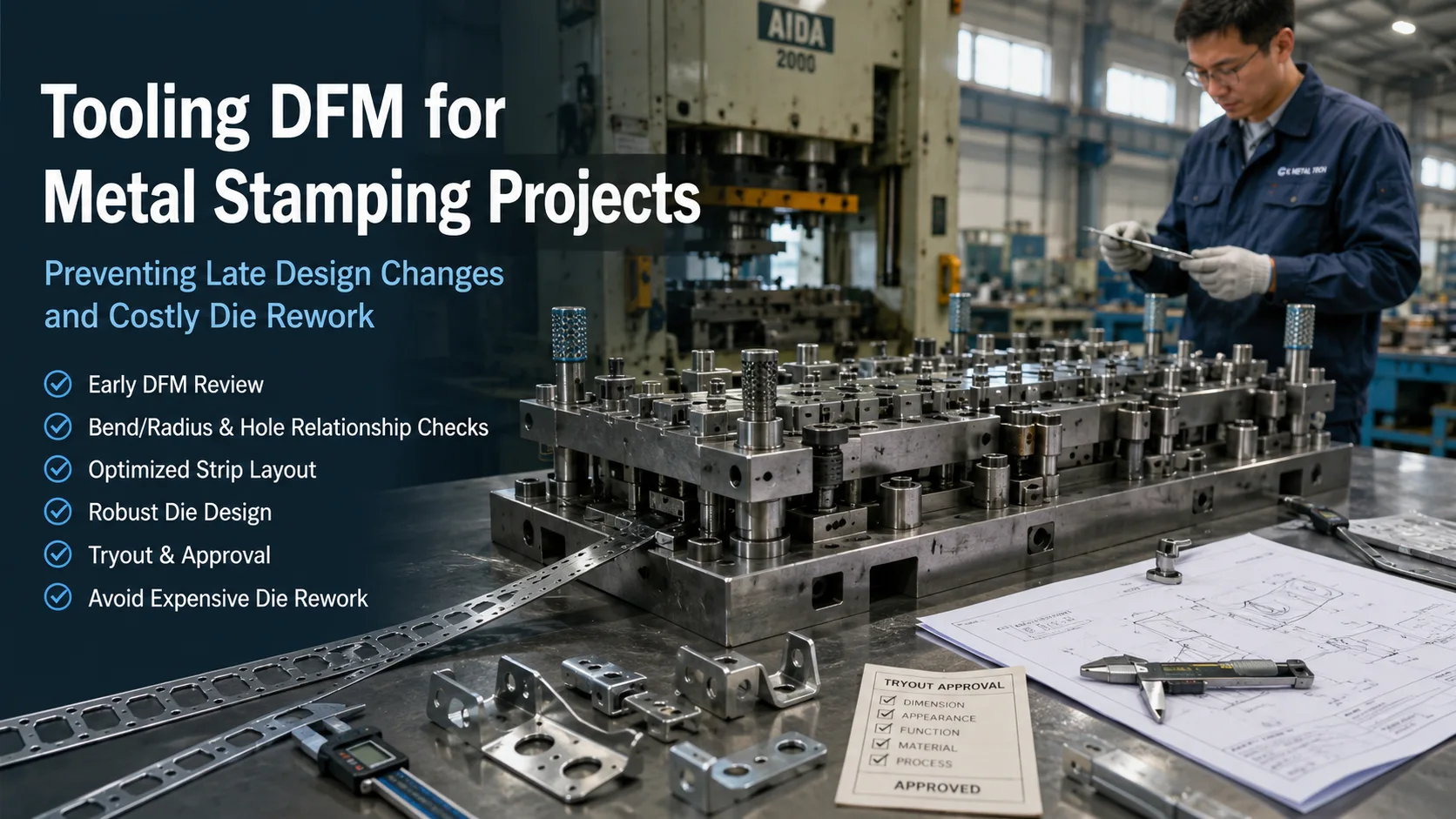
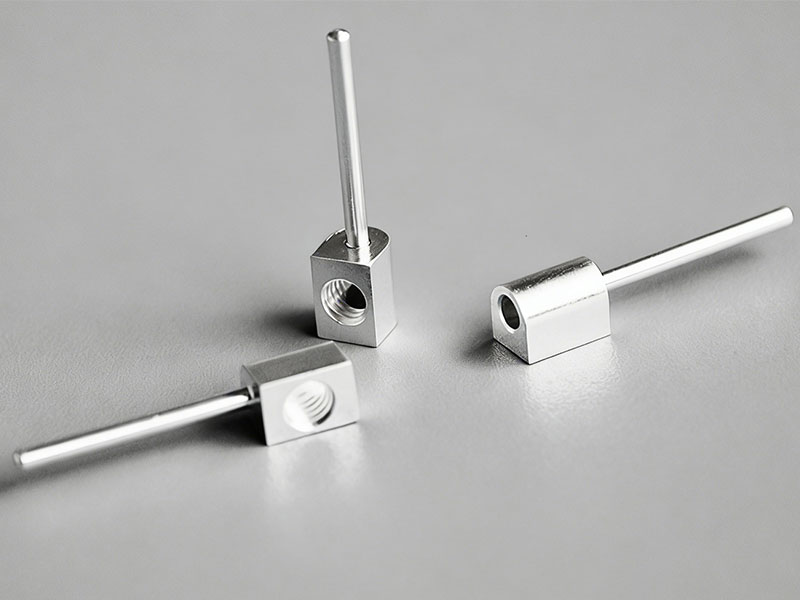
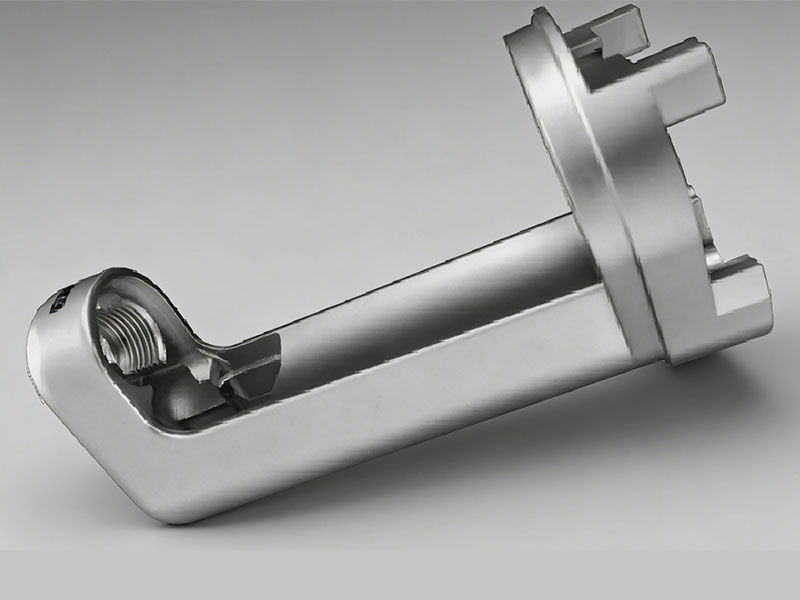
Precision stamping components are manufactured using high-precision molds through single-station clamping and positioning in the punching process. Given the stringent dimensional accuracy and positional tolerance requirements for workpieces on stamping machines, rigorous finishing processes including mold sharpening, heat treatment, surface treatment, and assembly are essential. Since these components are typically produced in small batches or as discrete parts, the production volume is relatively low, which consequently imposes less stringent requirements on machinery. During stamping, materials flow into the die cavity through gaps in the mold. Under pressure, the material undergoes separation or plastic deformation to achieve the desired shape and structure. After pressure release, controlled forming processes yield finished products. This makes stamping a classic cold drawing technique. In actual production, to ensure product quality, enhance efficiency, reduce waste, and conserve energy, manufacturers typically implement strategic measures: 1. Use tools appropriately. 2. Reasonable choice of raw materials. 3. Formulate reasonable process regulations. 4. Improve the technical training of operators. 5. Improve the automation of machines. 6. Improve working conditions. Stamping parts manufacturing characteristics: (1) High utilization rate of materials. (2) Complex products can be made from relatively thin sheets. (3) Can be made into various structures containing structural columns. (4) Can form thick wall hollow. (5) Can be made into large area of board material. (6) Easy to mechanize. (7) Facilitate the completion of mechanization and automation. (8) Easy to complete the system.

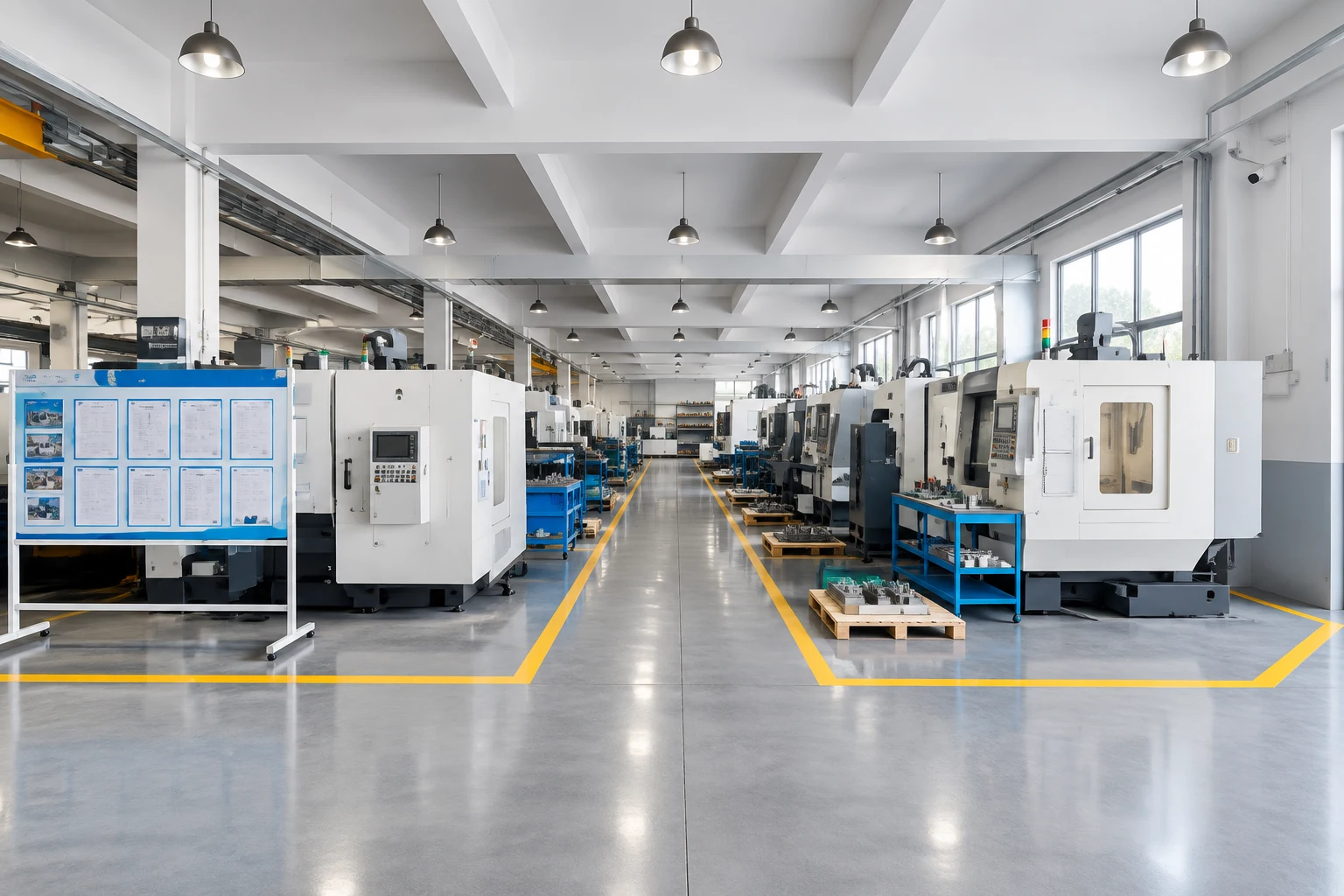
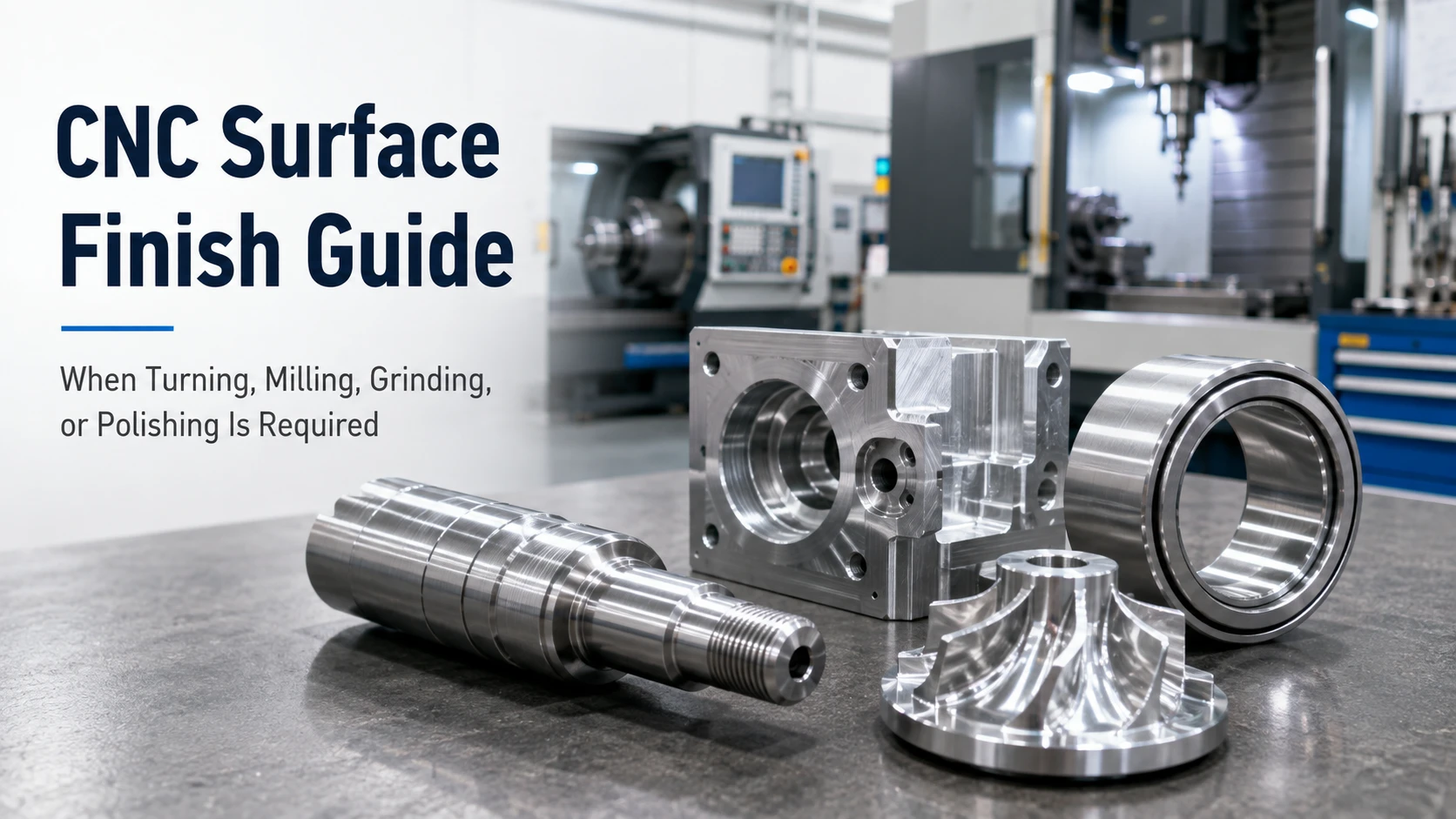
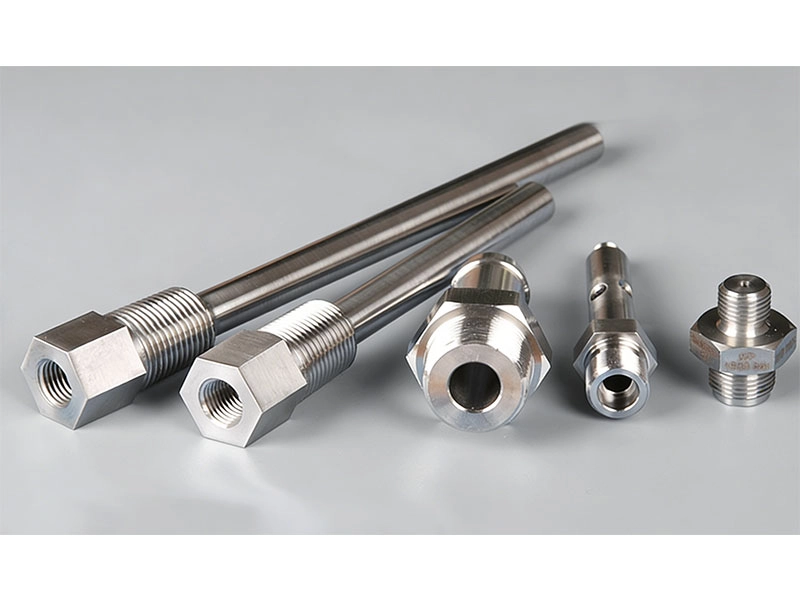
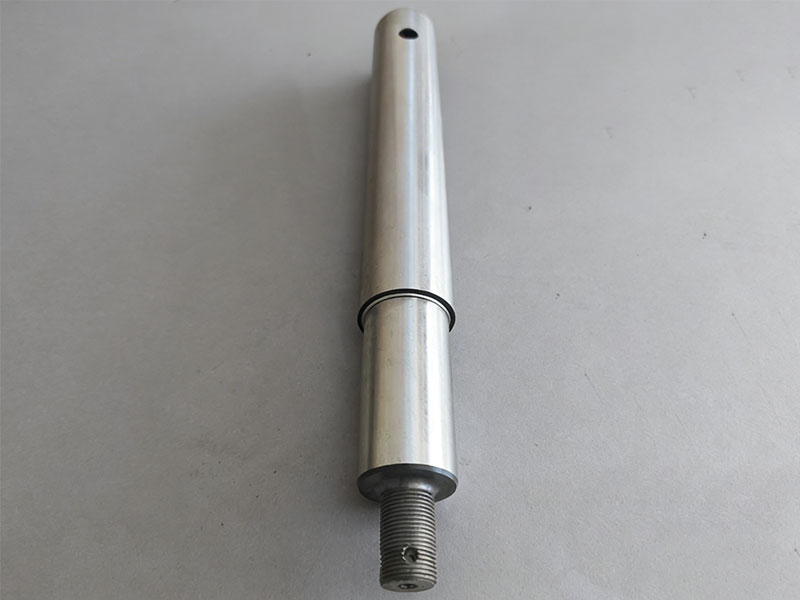
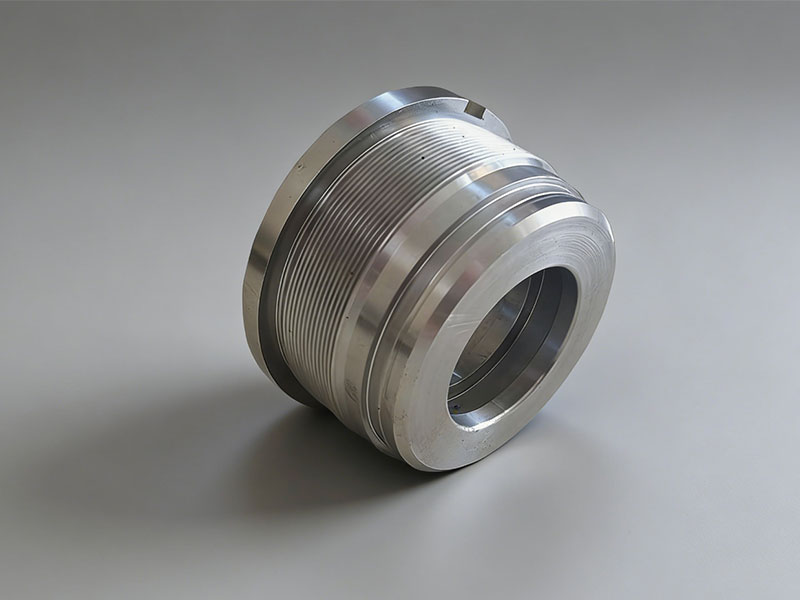
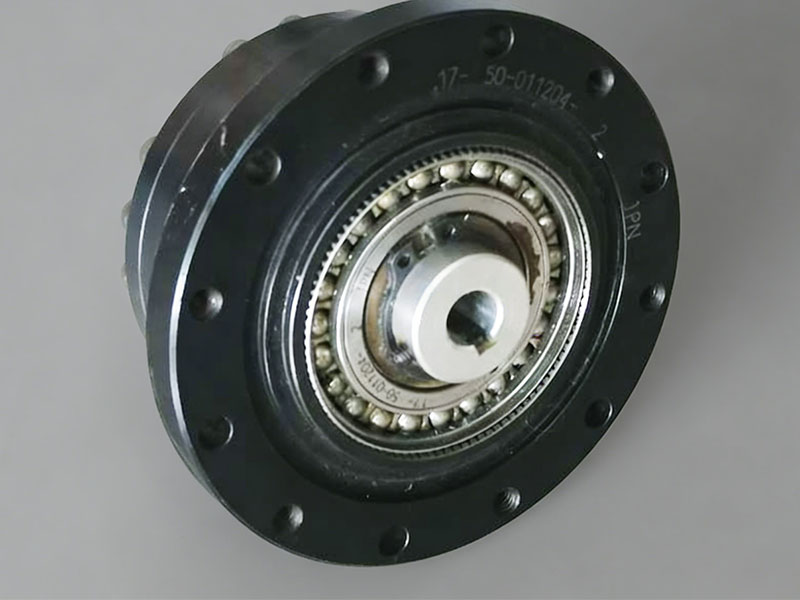
Precision mechanical parts manufacturing typically involves processing components for precision machinery, which requires achieving extremely high accuracy. Therefore, in addition to understanding the specific material requirements and common techniques for machining precision mechanical parts, it's essential to know the complete production process. Below, we'll outline the five stages of precision mechanical parts manufacturing. 1. Rough machining The key consideration is to improve productivity. Most of the machining capacity on each surface is removed, and the machining produces a reference plane. 2. Semi-finishing It usually removes the defects that may be produced after rough machining, and carries out the machining of primary and secondary surfaces at the same time. It is necessary to achieve a fixed machining accuracy to facilitate the preparation for the finishing stage and ensure a moderate finishing capacity. 3. Finishing In the finishing stage, large cutting amount, small feed amount and cutting depth are usually used to remove the machining capacity left by semi-finishing, so that the surface of precision mechanical parts can reach the technical standard of drawings. 4. Polishing It is mainly used to reduce surface roughness or strengthen the processed surface, and is mainly used for surface processing with high surface roughness requirements. 5. Ultra-precision machining Generally, the machining accuracy of the workpiece is 0.1-0.01μm and the surface roughness value ra is less than or equal to 0.001μm by means of precision drilling, precision mirror cutting, precision grinding and polishing. The five-stage precision machining process for mechanical components progresses from rough to refined, with gradual enhancement of accuracy. Through this systematic approach, the components achieve the required specifications as per customer needs. Yuntuo Machining specializes in precision mechanical parts manufacturing. We provide customized services based on client-provided drawings and materials, delivering precision-engineered components that meet all client expectations.

send us free
message


    recent
    blog articles

    Precision Sheet Metal Fabrication Supply Chain Risk Reduction for OEM Buyers

    10
    July

    For OEM buyers, precision sheet metal fabrication supply chain risk reduction is not only about avoiding material shortages. Many project delays, quality issues and cost increases appear between processes: a drawing change is not shared clearly, a bent part does not fit after welding, powder coating changes a critical hole size, or several suppliers disagree about who is responsible for a defect.

    When sheet metal parts are used in electrical equipment, industrial automation, agricultural machinery, power equipment or assembled metal enclosures, small process problems can affect final equipment delivery. The goal is not simply to find the lowest unit price. The goal is to choose a fabrication route and supplier structure that reduce lead time risk, quality risk and supplier management cost.

    Why Supply Chain Risk Matters in Precision Sheet Metal Fabrication

    Many sheet metal parts go through many processes before becoming completed components including laser cutting, punching, bending, riveting, welding, grinding, surface finishing, painting, powder coating, inspection, packing and assembly. Each process influences the subsequent operation.

    For instance, the cut component may seem good but its bend allowance might not correspond to the material thickness and part configuration. The welded case might fulfill structural specifications but heating distortions may affect its assembly. The coated bracket may appear good but its coating thickness in areas of holes, mating surfaces and threaded fasteners may lead to fit up problems.

    This is why OEM sheet metal fabrication risk is closely related to process planning. A buyer who evaluates only piece price may miss hidden costs from rework, repeated inspection, extra transportation, repacking, engineering communication and production schedule changes.

    Common Risks OEM Buyers Face in Sheet Metal Fabrication

    A practical risk review should focus on where the project can fail before mass production begins.

    Engineering change and drawing revision risk

    Many sheet metal projects change during development. Hole positions, mounting tabs, surface requirements or welded structures may be adjusted after sample testing. If cutting, bending, welding and coating are handled by separate suppliers, every revision must be communicated across the full chain. Any missed update can lead to wrong parts, delayed samples or mixed inventory.

    Tolerance and assembly risk

    Precision sheet metal fabrication often depends on cumulative tolerances. A single operation may be within tolerance, but the finished assembly may still fail if bending springback, welding distortion, coating thickness or fastener location is not considered together. Buyers should ask how the supplier checks finished parts, not only how each single operation is processed.

    Lead time and production scheduling risk

    Lead time risk usually grows when parts wait between suppliers. Cutting may finish on time, but welding capacity may be full. Painting may be delayed because large boxes and small brackets require different handling. A shortage of one small machined insert or stamped clip can stop final assembly. For repeat OEM production, production scheduling matters as much as fabrication capability.

    Responsibility and communication risk

    When several suppliers touch the same part, responsibility can become unclear. A welding supplier may blame cutting accuracy. A painter may blame surface preparation. An assembly team may blame coating thickness. Buyers need a clear process owner who can review the complete route and take responsibility for the finished component.

    Where Supply Chain Risk Appears in the Fabrication Workflow

    The most useful way to reduce risk is to check each process against the final application.

    Fabrication stage Common risk Buyer action
    Laser cutting / CNC punching Hole position, burrs, flat pattern errors Confirm drawing revision, tolerance and edge requirements
    Bending / forming Springback, cracks, wrong bend sequence Review material thickness, bend radius and forming direction
    Welding / riveting Distortion, weak joints, visible defects Define strength, appearance and assembly requirements
    Powder coating / painting Coating thickness, masking failure, color or finish issues Confirm masking zones, threaded holes and mating surfaces
    Inspection / packing Damage, mixed parts, unclear final checks Request final inspection standard and packing method

    This type of process map helps OEM buyers move from general supplier comparison to specific risk control.

    How Integrated Sheet Metal Fabrication Reduces Supplier Handoffs

    An integrated sheet metal fabrication supplier can reduce risk by managing more processes under one production route. This does not mean every project must use a single supplier for every component. Dual sourcing may still be useful for critical parts, capacity backup or regional supply security. However, splitting every operation of the same part across too many suppliers can create unnecessary handoffs.

    A one-stop sheet metal fabrication supplier is most valuable when the project includes several connected processes, such as cutting, bending, welding, powder coating and assembly. Fewer handoffs can reduce repeated communication, transportation, unpacking, repacking and blame shifting. It also helps engineering teams receive faster feedback when a design feature creates manufacturing or finishing risk.

    For OEM buyers who want to evaluate the broader sourcing model beyond sheet metal parts, how one-stop precision metal manufacturing reduces supplier management cost and lead time explains how tooling, stamping, sheet metal fabrication, CNC machining, surface finishing and assembly can be planned under one accountable workflow.

    For buyers reviewing a new project, sheet metal fabrication and powder coating services should be evaluated together when coating thickness, appearance, masking or assembly fit is critical.

    RFQ Checklist for Reducing Sheet Metal Fabrication Risk

    A strong RFQ should help the supplier understand the part function, not only the drawing shape. Before sending a sheet metal fabrication RFQ, buyers should prepare the following information where available:

    • 2D drawings and 3D files with the latest revision
    • Material grade, thickness and finish requirements
    • Critical dimensions, mounting features and assembly interfaces
    • Surface treatment, powder coating, painting or masking requirements
    • Expected annual volume, batch size and delivery schedule
    • Sample, inspection report or documentation requirements
    • Special packaging, labeling or export requirements
    • Known problems from previous suppliers, such as deformation, coating defects or delayed delivery

    A useful question is: “Which processes are in-house, and which processes are subcontracted?” This single question often reveals how much control the supplier has over schedule, quality feedback and responsibility.

    How to Choose a Sheet Metal Fabrication Supplier for OEM Projects

    When selecting an OEM sheet metal fabrication supplier, buyers should compare process capability, quality management and engineering support together.

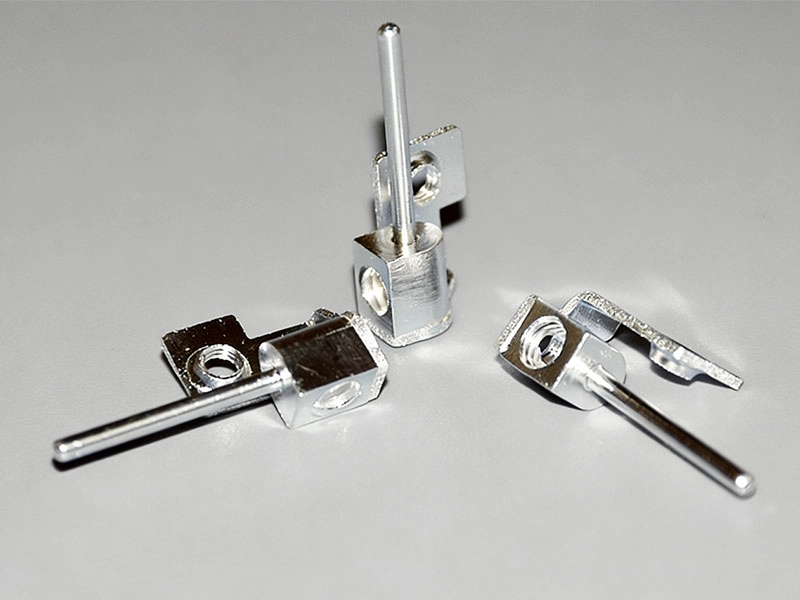
    A suitable supplier should be able to review manufacturability before production, identify risk areas in drawings, confirm surface treatment requirements and provide feedback when a design feature may increase cost or lead time. If a project also needs machined shafts, inserts, bushings, threaded components or related precision parts, access to precision CNC machining services can reduce coordination work.

    For designs involving clips, terminals, brackets or formed metal features, precision stamping and tooling capability may also help buyers compare whether a stamped, bent, welded or machined route is more suitable. The right process depends on material, part geometry, tolerance, quantity, functional load and appearance requirements.

    How Zhejiang Chuangkai Supports Supply Chain Risk Reduction

    Zhejiang Chuangkai Mechanical and Electrical Technology Co., Ltd. is an integrated precision metal manufacturing company with capabilities covering precision mold design and manufacturing, precision metal stamping, precision sheet metal processing, precision machining, surface painting, spraying, powder coating and precision component assembly.

    Zhejiang Chuangkai offers processes like laser cutting, CNC punching, bending, riveting, welding, grinding, wire drawing, blasting/sanding, and surface finishing for sheet metal fabrication. Zhejiang Chuangkai also offers machining, stamping, and assembly that may assist the original equipment manufacturers in reducing the number of suppliers handing over the project where there are many metal processes in the same program.

    For procurement teams comparing China-based sheet metal fabrication suppliers, one-stop precision metal manufacturing can be useful when the project requires engineering review, controlled production routing and responsibility for finished components rather than isolated single-process outsourcing.

    Conclusion

    Precision sheet metal fabrication supply chain risk reduction starts before production. OEM buyers should review the full route from drawing to finished assembly, identify where cutting, bending, welding, coating and inspection risks can appear, and ask suppliers practical RFQ questions before selecting by price alone.

    For new or replacement projects, the next step is to share drawings, material requirements, surface finish details, target quantity, assembly conditions and known quality issues. A supplier review can help determine whether the part is better handled through sheet metal fabrication, stamping, machining, welding, coating, assembly or a combined route. Buyers can send drawings for a fabrication risk review when they need a practical manufacturing assessment before RFQ or production.

    FAQs

    Q1: How can OEM buyers reduce supply chain risk in sheet metal fabrication?

    A1: OEM buyers can reduce risk by reviewing the complete process route, confirming drawing revisions, checking critical tolerances, defining coating and assembly requirements, and choosing a supplier that can manage connected operations with clear responsibility.

    Q2: Is one-stop sheet metal fabrication better than using multiple suppliers?

    A2: One-stop sheet metal fabrication is often useful when cutting, bending, welding, powder coating and assembly are closely connected. Multiple suppliers may still make sense for capacity backup or dual sourcing, but too many handoffs can increase lead time and communication risk.

    Q3: What should be included in a sheet metal fabrication RFQ?

    A3: A sheet metal fabrication RFQ should include updated drawings, 3D files if available, material and thickness, finish requirements, critical dimensions, annual volume, batch size, inspection needs, packing requirements and any previous quality or delivery problems.

    Q4: How does powder coating affect sheet metal assembly risk?

    A4: Powder coating can affect hole sizes, threaded areas, mating surfaces, grounding points and appearance surfaces. Buyers should clearly mark masking areas, critical assembly surfaces and coating requirements before production.

    Q5: How do I evaluate a precision sheet metal fabrication supplier in China?

    A5: A buyer should check process capability, in-house versus outsourced operations, engineering review support, inspection methods, communication response, surface treatment capability, production scheduling and experience with OEM metal components.

    One-Stop Metal Supplier Checklist for Industrial Buyers

    09
    July

    A one-stop metal supplier checklist helps industrial buyers compare suppliers before RFQ, supplier replacement, or new OEM project launch. For custom metal parts, the risk is rarely limited to one process. A project may require tooling, stamping, sheet metal fabrication, CNC machining, welding, powder coating, painting, assembly, inspection, and packaging. If each step is handled by a different supplier, purchasing teams may face longer communication loops, unclear responsibility, repeated inspections, delayed samples, and higher total project cost.

    A useful checklist should not only ask, “Can this supplier make the part?” It should ask, “Can this supplier control the full manufacturing route, quality responsibility, engineering changes, and delivery plan for this specific application?”

    Why Industrial Buyers Need a Metal Supplier Checklist Before RFQ

    Before sending drawings to a metal parts supplier, industrial buyers should define what the project actually requires. A simple bracket, shaft, terminal, enclosure, or painted cover may look straightforward on a drawing, but the final production route can involve several dependent steps.

    Low unit price does not show full project risk. A quote may look attractive when each process is priced separately, but extra costs often appear later through sample revisions, secondary processing, surface defects, inspection delays, packaging problems, or assembly failures. This is especially common when buyers source from multiple specialized vendors without one accountable process owner.

    A checklist is useful when the project includes:

    • Custom metal parts with more than one process
    • Tight tolerance or appearance requirements
    • Powder coating, painting, or surface protection
    • Repeated OEM production instead of one-time samples
    • Engineering changes during development
    • Imported components that require clear documentation and communication

    For broader sourcing decisions, buyers can also review how one-stop precision metal manufacturing reduces supplier management cost and lead time to understand how integrated manufacturing affects supplier coordination beyond one single part.

    What a One-Stop Metal Supplier Should Actually Cover


    One-Stop Metal Supplier Checklist for Industrial Buyers

    A one-stop manufacturing supplier should not be judged only by the number of processes listed on a website. Industrial buyers should check whether those processes are connected through engineering review, production planning, inspection, and project communication.

    Tooling and metal stamping capability

    For formed parts, clips, brackets, terminals, inserts, and volume production components, tooling and stamping capability can affect cost, repeatability, and production stability. Buyers should ask whether the supplier can review stamping feasibility, material selection, forming risk, and tooling requirements before production.

    For high-volume or repeat metal components, one-stop precision metal manufacturing can help buyers compare whether a part should be made through stamping, sheet metal fabrication, machining, welding, or a combined process.

    Sheet metal fabrication, welding, and surface finishing capability

    For enclosures, covers, panels, frames, cabinets, and equipment housings, sheet metal fabrication capability should include more than cutting and bending. Buyers should also review welding, riveting, grinding, surface preparation, powder coating, painting, and final assembly requirements.

    If surface finish is critical, the supplier should understand how coating thickness, masking, threaded holes, mating surfaces, and appearance requirements affect assembly. These details should be verified against drawings, samples, or product specifications.

    CNC machining and precision component support

    Some metal assemblies require machined shafts, threaded parts, bushings, inserts, blocks, or precision mating components. In these cases, CNC machining capability can reduce supplier handoffs and help engineering teams solve fit-up problems earlier.

    When a metal supplier can support stamping, sheet metal, machining, finishing, and assembly under one project workflow, buyers may reduce the number of separate vendors they need to manage.

    In-House Capability vs. Outsourced Processes: What Buyers Should Ask


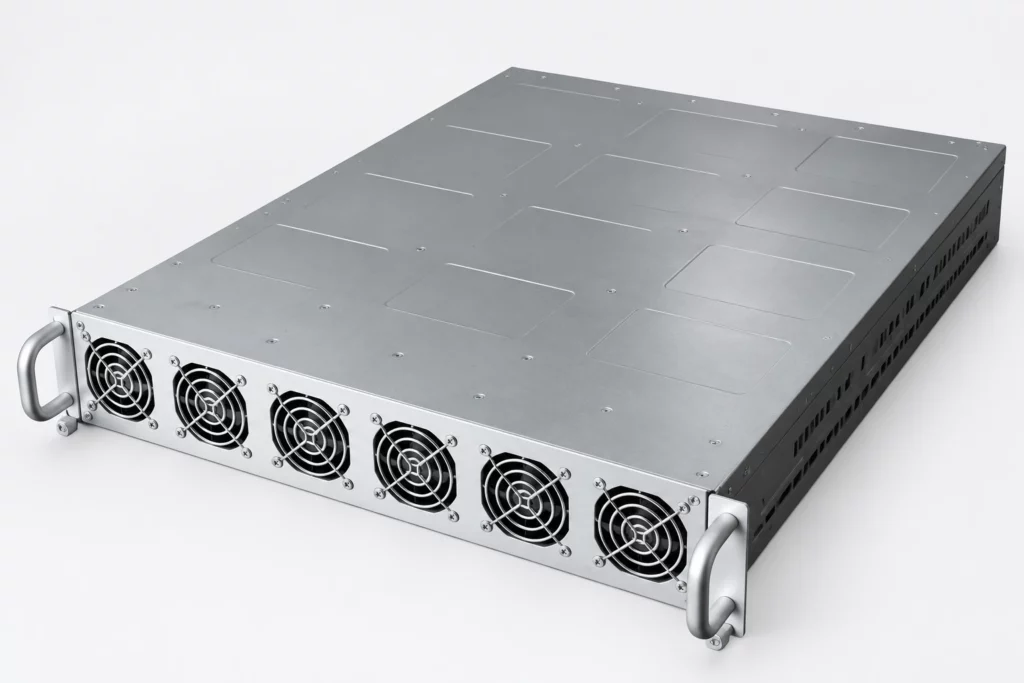
    6G network communication box enclosure with CNC milling sheet metal bending and surface treatment

    Not every process must be done in-house. However, buyers should clearly know which steps are internal and which are subcontracted. Outsourcing is not automatically a problem, but unmanaged handoffs can create lead time, quality, and responsibility risks.

    Buyer question Why it matters
    Which processes are handled in-house? Shows where the supplier has direct control over schedule and quality
    Which processes are subcontracted? Helps identify possible delay or communication risks
    Who checks parts after each process? Reduces hidden defects before final delivery
    Who is responsible for process-related defects? Avoids blame shifting between vendors
    How are drawing revisions shared? Prevents outdated versions from entering production

    A reliable integrated metal fabrication supplier should be able to explain the full process route from RFQ to shipment. If a process is outsourced, the buyer should ask how the supplier controls subcontractor quality, inspection, scheduling, and revision updates.

    Quality Checklist for OEM Metal Parts Suppliers

    For OEM buyers, a sample approval is only the first step. The more important question is whether the supplier can repeat the same result in batch production.

    Quality review should include drawing control, material confirmation, dimensional inspection, surface checks, defect response, and repeat production control. If a metal component is used in electrical equipment, agricultural machinery, industrial automation, power equipment, home appliances, or other assembled products, even a small deviation can affect installation or final equipment performance.

    Important quality questions include:

    • How are drawing revisions and engineering changes controlled?
    • Are material grade, thickness, and surface requirements confirmed before production?
    • Which dimensions are considered critical to function?
    • How are coating, burrs, welding marks, threads, and assembly surfaces checked?
    • What happens when a repeated defect appears?
    • Can inspection documents or sample reports be provided when required?

    Quality requirements may vary by material, size, load, tolerance, appearance grade, and operating environment. The checklist should reflect the real application instead of using one generic standard for every project.

    Lead Time and Production Scheduling Checklist

    Lead time problems often come from poor coordination rather than slow production alone. A supplier may cut parts quickly but wait for welding capacity. A finished welded frame may be delayed by painting. A coated part may require rework because a masked area was not clearly defined.

    Before approving a quote, industrial buyers should ask how the supplier plans prototype samples, pilot runs, batch production, inspection, and delivery. For repeat orders, buyers should also discuss forecast, batch size, packaging method, and expected order frequency.

    A practical lead time checklist should cover:

    • Sample production and approval process
    • Batch production planning
    • Capacity for repeat orders
    • Surface finishing schedule
    • Assembly and inspection sequence
    • Packaging and shipping requirements
    • Communication process for urgent changes

    The goal is not to push every supplier for the shortest possible delivery promise. The goal is to understand whether the promised delivery schedule is realistic for the required material, process route, quantity, finish, and inspection level.

    RFQ Checklist for Industrial Metal Parts Buyers

    A complete RFQ helps suppliers quote more accurately and reduces back-and-forth communication. When buyers only send a simple drawing without application details, the supplier may miss important functional requirements.

    A metal parts RFQ should include:

    • 2D drawings and 3D files, if available
    • Drawing revision number
    • Material grade, thickness, and special requirements
    • Tolerance and critical dimensions
    • Surface finish, coating, painting, or plating requirements
    • Assembly interfaces, mating parts, or installation conditions
    • Sample quantity and expected production volume
    • Annual forecast or repeat order plan, if available
    • Inspection, documentation, labeling, and packaging needs
    • Known problems from previous suppliers, if any

    For OEM and ODM projects, buyers can use an OEM/ODM metal manufacturing supplier page to understand whether the supplier’s process range fits the project before sending a detailed RFQ.

    When a One-Stop Metal Supplier Is the Right Choice

    A one-stop metal supplier is often suitable for custom parts that require multiple connected processes. Examples include stamped parts with secondary machining, sheet metal enclosures with powder coating, welded frames with machined inserts, painted covers with assembly requirements, and equipment components that need both function and appearance control.

    However, one-stop sourcing is not the right answer for every project. Dual sourcing may still make sense for critical components, capacity backup, regional supply security, or highly specialized processes. Buyers should avoid over-consolidating the supply chain when a project requires a niche process that is better handled by a specialist.

    The decision depends on process complexity, quality risk, order frequency, engineering change frequency, supplier communication, and the cost of managing multiple vendors. A good supplier checklist helps buyers make that decision with evidence instead of assumptions.

    How CK Metal Tech Supports One-Stop Metal Manufacturing Projects

    Industrial buyers should look for a supplier that can connect process capability with engineering review, production control, quality management, and practical communication. A qualified custom metal parts supplier should be able to discuss not only whether a part can be made, but also which route may reduce handoffs, rework, and supplier management risk.

    Zhejiang Chuangkai Mechanical and Electrical Technology Co., Ltd., known as CK Metal Tech, is an integrated precision metal manufacturing company with confirmed capabilities in precision tooling design and manufacturing, precision metal stamping, precision sheet metal processing, precision machining, surface spraying, painting, powder coating, and precision component assembly.

    For buyers reviewing a custom metal parts supplier in China, CK Metal Tech can support projects involving stamping, sheet metal fabrication, CNC machining, surface finishing, and assembly. The suitable production route still depends on the drawing, material, tolerance, surface requirement, quantity, and application environment.

    Conclusion

    A one-stop metal supplier checklist helps industrial buyers move beyond price comparison and evaluate the real project risks behind custom metal parts sourcing. The most important questions are whether the supplier can understand the full process route, control in-house and outsourced steps, manage drawing revisions, support quality inspection, and plan realistic delivery.

    For new projects, supplier replacement, or RFQ preparation, buyers can prepare drawings, material requirements, surface finish details, target quantity, sample needs, application conditions, and any known quality issues. A supplier capability review can then help determine whether the project is better handled through stamping, sheet metal fabrication, CNC machining, welding, coating, assembly, or a combined manufacturing route.

    FAQs

    Q1: What are the factors to be considered while evaluating a one-stop metal supplier?

    A1: The factors that can be considered while evaluating a one-stop metal supplier include capability, in-house/outsource, quality control, engineering support, lead time plan, communication process, and experience on multi-process custom metal parts.

    Q2: What should be considered by the industrial buyers before selecting a metal supplier?

    A2: Some things to consider for industrial buyers while selecting a metal supplier include the capability of the supplier to produce the required part in terms of material, tolerance, surface finish, production volume, inspection requirement, packaging, and engineering changes. The supplier should also provide the entire manufacturing process before going for production.

    Q3: Will the one-stop metal supplier be a good choice compared to multiple suppliers?

    A3: It will be good if the supplier is handling all the processes in connection to each other like tooling, stamping, machining, welding, sheet metal fabrication, coating, and assembly. In some cases, multiple suppliers can be selected depending upon dual sourcing or regional backup.

    Q4: What needs to be provided in a metal parts RFQ?

    A4: A metal parts RFQ should include drawings, 3D files if available, revision numbers, material, tolerance, finish, quantity, application details, inspection requirements, packaging needs, and known problems from previous production.

    Q5: How do I choose a custom metal parts supplier in China?

    A5: Choose a custom metal parts supplier in China by reviewing process capability, communication quality, quality management, drawing review process, surface finishing capability, production planning, and whether the supplier can support the specific application rather than only quote the lowest unit price.

    Powder Coating for Sheet Metal Parts and Enclosures: Process, Materials and Applications

    03
    July

    Why Powder Coating Matters in OEM Sheet Metal Projects

    Powder Coating for Sheet Metal Parts and Enclosures Process, Materials and Applications

    The decision to powder coat sheet metal components and enclosures may come up where OEM customers require more than just aesthetics from their components and enclosures. A powder coated component such as an enclosure, chassis, bracket, cover or frame needs to be tough enough to withstand handling, assembly, packaging, export, and use. In cases where coating chips off along edges, forms a buildup in threaded openings, or fails in just a few months in operation, this may not be a purely aesthetic problem.

    Sourcing teams should look into powder coating in conjunction with sheet metal fabrication, welding, masking, surface conditioning, coating thickness, curing, and packaging.A good finish starts long before powder reaches the part.

    What Is the Powder Coating Process for Sheet Metal Parts?

    Surface Preparation Before Powder Coating

    The first step in powder coating is a parts review. The engineer will review the drawing, material, cosmetic surface finish, hole placement, insert location, bends, and assemble points. When it comes to cold rolled steel, carbon steel, aluminum, stainless steel, galvanized sheet, and aluminum-zinc coated sheets, surface conditions greatly influence the adhesion of powder coating.


    Surface preparation prior to powder coating includes either cleaning, degreasing, grinding, sanding, or shot blasting. Oil, welding residues, rust, sharp burr, and uneven grinding marks can all be evident from the finished product. In the case of powder coated sheet metal enclosures, a weld mark will be noticeable even on a large surface like a cover.

    Masking, Electrostatic Spraying and Curing

    After cleaning, the supplier should cover threaded holes, grounding points, bearing surfaces, PEM fasteners, assembly contact surfaces, and tolerance-sensitive slots. It is an easily overlooked step, but one that has direct effects on assembly. A layer that is satisfactory on the surface may cause problems if screws cannot be screwed in properly or panels don’t fit anymore.


    Powder coating with electrostatics involves charged powder particles adhering to metal pieces that are grounded. After the coating, the parts are baked in the oven, where the heat helps in making the film. In case of custom powder coated parts, the process validation steps involved are type of powder, color standard, texture, gloss, coating thickness, curing time, hanging of parts, and final inspection after cooling.

    Materials Used for Powder Coated Sheet Metal Parts

    Cold-rolled steel is widely used for equipment housings, medical equipment enclosure parts, electrical equipment enclosure panels, and indoor industrial covers. It forms well and accepts coating after proper cleaning. Powder coating cold rolled steel is common when buyers need a smooth appearance and controlled cost.

    Aluminum sheet metal is preferred where weight reduction matters, such as communication boxes, covers, and control panels. Powder coating aluminum sheet metal requires careful pretreatment because poor cleaning can reduce adhesion. Stainless steel may be selected for cleaner environments or corrosion-sensitive applications, while galvanized steel and aluminum-zinc coated sheet are often used where base-metal corrosion resistance is part of the design.

    Material choice should match the use environment. Indoor cabinets, semi-outdoor equipment, machinery covers, and high-touch panels do not face the same risks. Buyers should avoid choosing a material only by unit price.

    Applications of Powder Coated Sheet Metal Enclosures

    Powder coated sheet metal enclosures are used across medical equipment, security inspection equipment, industrial control cabinets, communication boxes, semiconductor equipment frames, electrical panels, agricultural machinery covers, and new energy equipment parts.

    A medical equipment enclosure may require smooth curved forming, cleanable surfaces, integrated ventilation slots, and a stable light-colored finish. A security inspection chassis usually places more attention on strength, internal assembly, and surface durability. A semiconductor equipment frame may need a clean surface, stable geometry, and protection against corrosion during handling and installation.

    For large sheet metal enclosure powder coating, part size and weight become major purchasing questions. Buyers should ask whether the supplier can handle large boxes, frames, and covers without damaging edges or creating uneven film build-up.

    Powder Coating vs Painting for OEM Metal Finishing

    Powder coating vs painting is a common decision for OEM metal finishing. Powder coating is often used for repeat production, durable surfaces, consistent appearance, and efficient batch processing. Wet painting may be considered for special color effects, very large parts, thin-film requirements, or cases where heat exposure must be limited.

    The better choice depends on material, part size, function, color standard, finish texture, corrosion target, and annual volume. A practical RFQ should not simply say “black coating.” It should describe the color reference, gloss, texture, masking zones, cosmetic surface, coating thickness for sheet metal, salt spray expectation if required, packing method, and application environment.

    Choosing a Sheet Metal Fabrication and Powder Coating Supplier

    For buyers sourcing custom powder coated sheet metal parts in bulk, supplier capability is just as important as the powder itself. A qualified OEM sheet metal manufacturer should understand cutting, bending, welding, grinding, riveting, powder coating, painting, inspection, and packing as one connected workflow.

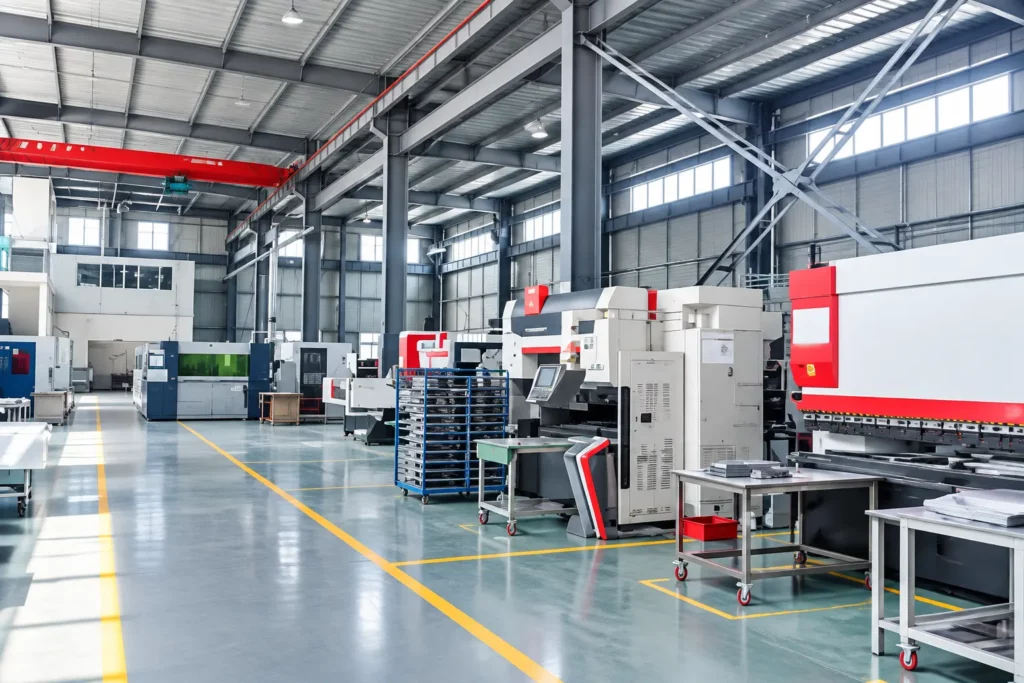
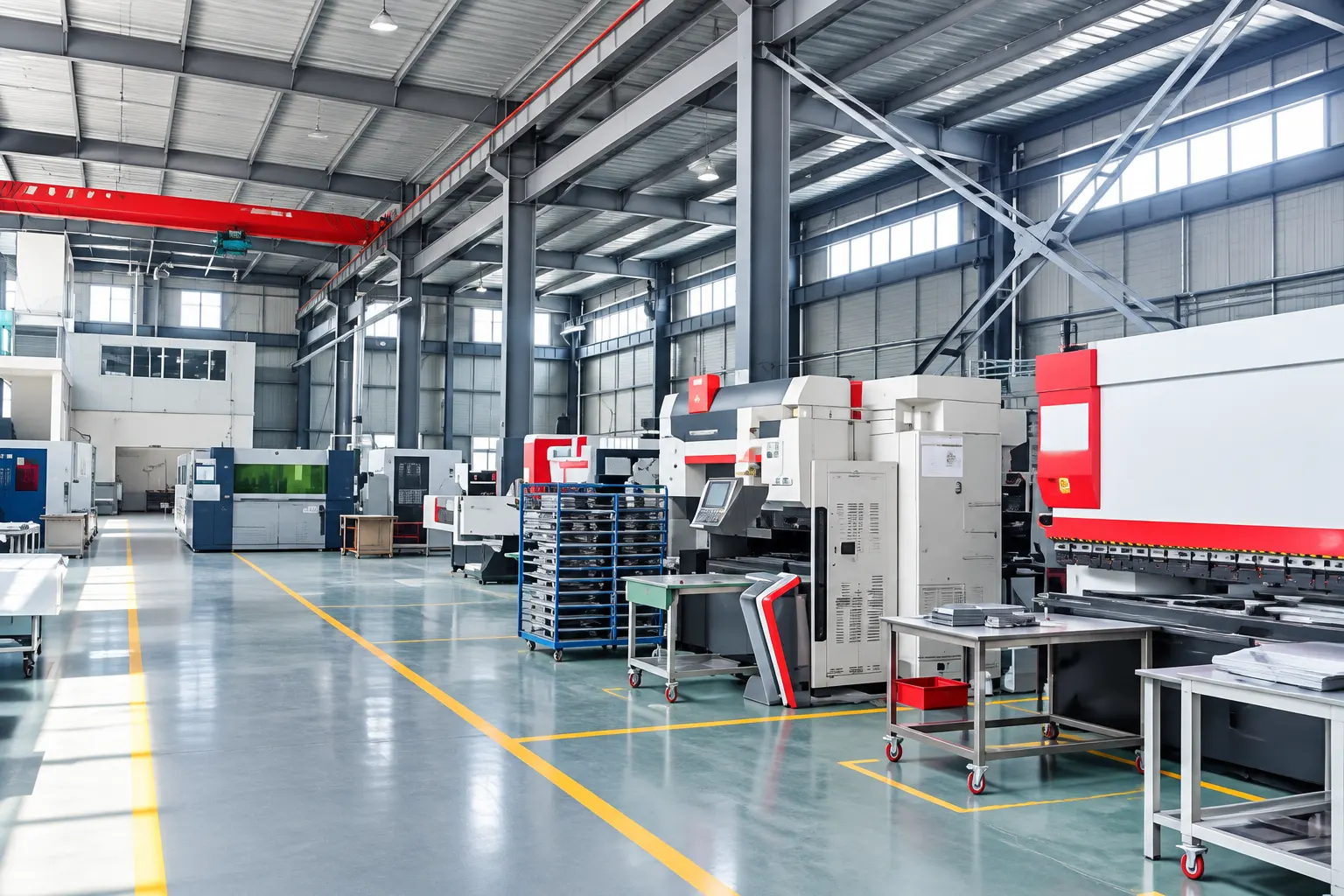
    This is where Zhejiang Chuangkai Mechanical and Electrical Technology Co., Ltd. can support buyers looking for sheet metal fabrication and powder coating for equipment parts and enclosures. The company was established in 2003 and operates a standardized factory of about 13,500 square meters. Its manufacturing capability covers precision sheet metal processing, metal stamping, machining, surface painting, powder coating, and assembly.

    The company’s powder coating and painting setup includes an automatic powder coating line, a manual powder coating line for large parts and large boxes, a manual painting line, and an automatic powder coating and painting hybrid line under construction. Its product experience includes medical equipment curved sheet metal enclosure, security inspection equipment chassis, communication box components, and equipment frames. Buyers can also learn more through precision metal manufacturing and assembly solutions or review about Zhejiang Chuangkai Mechanical and Electrical Technology Co., Ltd. before sending drawings.

    Medical Equipment Curved Sheet Metal Enclosure

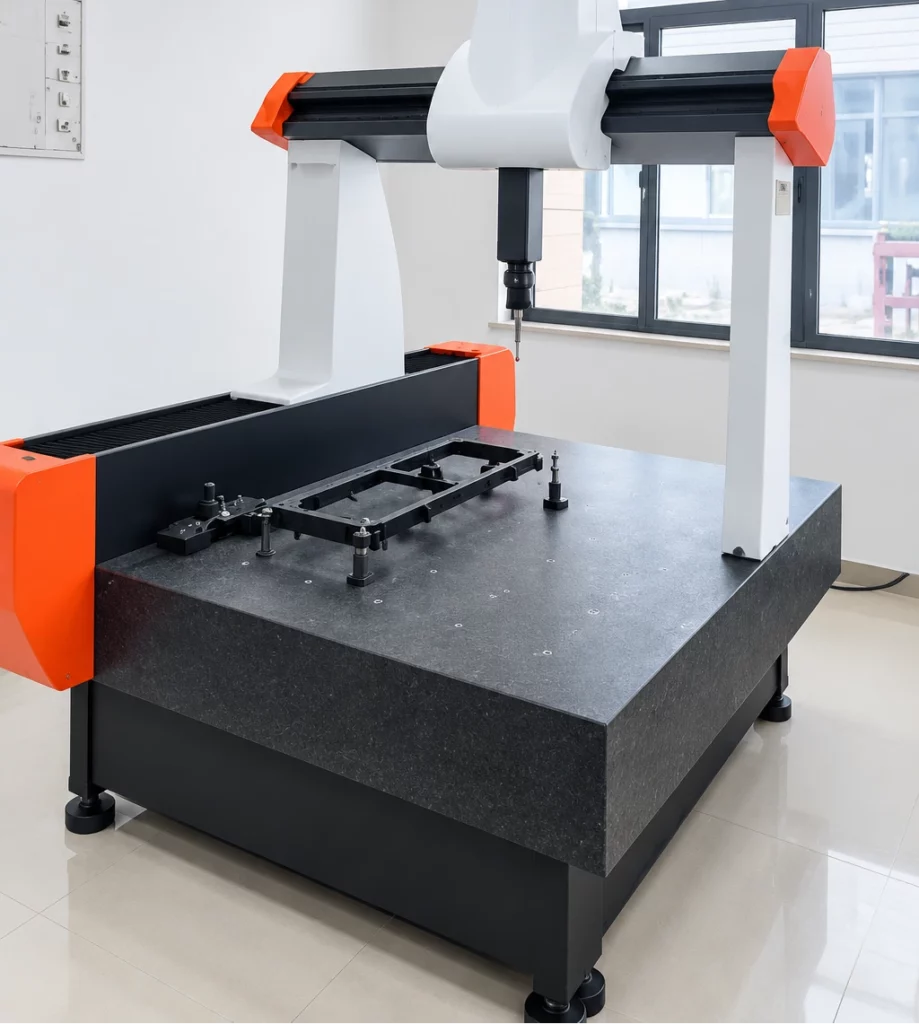
    Quality control is also part of supplier selection. Zhejiang Chuangkai Mechanical and Electrical Technology Co., Ltd. uses inspection equipment such as CMM, 2.5D measuring equipment, metallographic inspection, and hardness testing, with quality practices covering process control, APQP, PPAP, PFMEA, 8D, and MES-based production management.

    Conclusion

    Powder coating works best when it is treated as part of the full OEM manufacturing route, not as a final decorative step. Buyers should review material, surface preparation, masking, coating type, thickness control, curing, inspection, and packaging before confirming production. For OEM projects involving enclosures, chassis, brackets, covers, and equipment frames, Zhejiang Chuangkai Mechanical and Electrical Technology Co., Ltd. provides integrated support from fabrication to finishing and assembly. To review drawings, coating requirements, samples, or RFQ details, buyers may contact the engineering team for practical manufacturing advice.

    FAQs

    Q1: What causes powder coating to peel off sheet metal parts?

    A1: The powder coating can peel due to contamination of the metal part by grease, rust, oxide, welding residues, or insufficient pretreatment. Incomplete cure and incompatible coating material system with respect to the base material can also cause peeling of the coating from the metal surface. Surface preparation prior to powder coating is one of the first areas that need to be checked.


    Q2: What should be included in my powder coating specifications for sheet metal enclosures?

    A2: When specifying powder coating you will have to define material, drawing revision, color, gloss, texture, thickness of coating, masked areas, cosmetic areas, corrosion protection level, quantity, and packaging method. Marking of threads, grounding, and assembly surfaces is also important for powder coating of sheet metal enclosures.


    Q3: Which process is better – powder coating or painting of custom metal parts?

    A3: Powder coating is preferable to painting of custom metal parts if durability, repeatability, high volume production of parts is desired. Painting can be the better option if unusual finishes, very large parts, or thin film coating is required.


    Q4: What materials can be used for powder coated sheet metal parts?

    A4: Common materials include cold-rolled steel, carbon steel, aluminum, stainless steel, galvanized sheet, and aluminum-zinc coated sheet. Each material has different forming, welding, corrosion, and coating behavior. For OEM metal finishing, buyers should choose materials based on function, environment, appearance, and cost target.


    Q5: How can buyers reduce coating problems before mass production?

    A5: Buyers can reduce coating problems by providing complete drawings, marking masking zones, confirming coating thickness, checking sample parts before batch production, and selecting a supplier that understands both fabrication and finishing. Early review helps prevent blocked holes, poor adhesion, color mismatch, and assembly interference.


    New Energy Equipment Metal Parts Manufacturer: Sheet Metal Fabrication & Powder Coating Guide

    02
    July

    New Energy Equipment Metal Parts Manufacturer Sheet Metal Fabrication & Powder Coating Guide

    The choice of manufacturers of metal parts for new energy equipment has now become a critical decision for OEMs who manufacture electronic power devices, chargers, equipment associated with batteries, energy storage cases, industrial controllers, and other mechanical structures.


    Metal parts may seem to be very simple from the drawing perspective; however, in actual manufacturing, these parts require laser cutting, CNC punching, bending, riveting, welding, painting, inspecting, and assembling.


    When buying metal parts in large quantities, what matters most for a buyer is not how well a supplier can produce a single sample part, but rather whether he or she can keep dimensions, paint quality, delivery time, and other factors consistent during the repeat production process.

    What Metal Parts Are Used in New Energy Equipment?

    New energy equipment uses many types of custom metal parts. Common examples include mounting plates, sheet metal brackets, protective housings, equipment covers, welded frames, electrical cabinet panels, heat dissipation components, connection plates, and support rails. Some parts are hidden inside the equipment, while others become visible outer covers that affect both performance and appearance.

    Mounting Plates and Brackets

    Mounting plates and brackets usually require accurate holes, slots, threads, and flatness control. A small hole-position error can cause problems during assembly, especially when electrical modules, terminals, rails, or heat dissipation parts need to be installed in a fixed position. For this reason, early drawing review is valuable before cutting or punching begins.

    Protective Housings and Equipment Covers

    Protective enclosures and coverings should be able to provide for structural considerations, ventilation, coating, and fit together during assembly. This is because in cases where a powder-coated cover is required, the bending edges, grounding, coating thickness near openings, and packing for shipping overseas need consideration.

    Key Sheet Metal Fabrication Processes for Energy Equipment Parts

    Sheet metal manufacturing that will guarantee reliable fabrication in terms of energy equipment requires appropriate match between the process used and part design, material, quantity, and finish. The supplier is supposed to make sure that the design is suitable for the fabrication process. It should not just go by the drawing.

    Laser Cutting and CNC Punching

    Laser cutting is often used for custom profiles, low-to-medium volume parts, and components with changing designs. CNC punching works well for repeated holes, louvers, ventilation slots, and standard mounting features. For energy equipment metal components, these two processes influence almost every later step. Poor cutting quality can create burrs, unstable hole sizes, or assembly misalignment after bending and coating.

    When a part includes cooling slots or louvered ventilation areas, process planning becomes even more important. Buyers can review a related ventilation and heat dissipation sheet metal component to understand how CNC punching, bending, riveting, powder coating, and anodizing can be combined for power electronics and industrial equipment applications.Ventilation and Heat Dissipation Sheet Metal Component

    Bending, Riveting and Assembly Fit

    Bending determines the final shape of enclosures, covers, panels, and brackets. The bend radius, material thickness, hole distance from the bend line, and forming sequence all affect fit. Riveting is also common for threaded studs, nuts, and fastening points. If coating thickness is not considered early, threaded holes, grounding positions, and tight assembly areas may become difficult to use after finishing.

    Welding and Grinding

    Welding is often required for frames, reinforced covers, structural supports, and equipment housings. The main risks are heat distortion, poor fixture control, visible grinding marks, and coating defects around welded zones. For new energy equipment, welded metal parts should be checked not only for strength, but also for dimensional stability after grinding and powder coating.

    For buyers comparing different equipment categories, this guide on custom sheet metal fabrication for OEM electrical, agricultural and new energy equipment parts explains how fabrication requirements change across electrical, agricultural, and new energy applications.

    Why Powder Coating Matters for New Energy Equipment Metal Parts

    Powder coating is widely used for new energy equipment metal parts because it provides a durable surface layer for protection, handling, and appearance consistency. It is especially useful for sheet metal covers, brackets, cabinet panels, frames, and outdoor or semi-outdoor equipment components.

    A coating issue may not appear serious at first, but it can create real purchasing problems. A coating that is too thick may affect holes, slots, grounding points, or mating surfaces. A coating that is too thin may reduce corrosion resistance. Poor surface preparation can lead to peeling, weak adhesion, or inconsistent appearance after shipment.

    The practical solution is to define coating requirements before production. Buyers should confirm color standard, gloss, texture, coating thickness if required, masking areas, cosmetic surfaces, salt spray expectations, and packaging method. When powder coating is planned together with fabrication, many problems can be avoided before the first production batch.

    How to Choose Materials for New Energy Equipment Metal Parts

    Material selection must coincide with strength requirements, weight, resistance to corrosion, cost, and surface finish considerations. The most common choice of material for brackets, covers, and powder-coated products would be carbon steel where strength and cost are important considerations. If cleanliness or higher corrosion resistance is needed then stainless steel would be chosen. The best material for light weight covers, panels and heat sensitive structures would be aluminum alloy. Material options for galvanized sheet and aluminum-zinc coated sheet would be considered for basic corrosion resistance before coating/assembly.


    For OEM purchasers, material selection must go hand-in-hand with the manufacturing process. Easy to cut material may be hard to weld and coat. Light weight material can decrease the product weight but will increase the formability and surface treatability requirements. Early supplier evaluation minimizes re-engineering after sampling.

    Common Purchasing Problems and How to Prevent Them

    A frequent problem is that a sheet metal part passes dimensional inspection before coating but becomes difficult to assemble after powder coating. This usually happens when holes, slots, threads, or grounding points are not masked or when coating thickness is not considered in the drawing.

    Another common issue is welding deformation. A frame may look acceptable after welding, but once it enters assembly, small angle or flatness errors can affect installation. This can be reduced through better fixtures, controlled welding sequence, suitable welding methods, and first-article inspection.

    Surface damage during transportation is also common for powder coated energy equipment parts. Protective packaging should be planned according to part weight, coating surface, stacking method, and shipping distance. For exported OEM parts, packaging is part of quality control, not a final afterthought.

    What to Check Before Choosing a New Energy Equipment Metal Parts Manufacturer

    After understanding the key selection factors, it becomes easier to evaluate whether a manufacturer can support long-term purchasing needs. A qualified manufacturer should provide drawing review, material selection support, laser cutting, CNC punching, bending, welding, powder coating, inspection, sample production, and repeat batch manufacturing.

    Zhejiang Chuangkai Mechanical and Electrical Technology Co., Ltd. supports OEM customers through integrated metal manufacturing, including sheet metal fabrication, precision stamping, CNC machining, welding, powder coating, painting, and assembly. For buyers who need a supplier with broader process coverage, CK Metal Tech precision metal manufacturing services can support custom projects from drawing review to finished metal components.

    The above mentioned integrated approach to manufacturing is beneficial where the new energy equipment project involves various families of parts, such as powder coating cover, punched ventilation panel, welded frame, machined insert, and stamped bracket. It would be helpful to keep all these processes in one single supplier in order to avoid communication problems and quality responsibility issues.

    Conclusion

    Sourcing new energy equipment metal parts requires more than comparing unit prices. Buyers should review the material, fabrication route, bending accuracy, welding control, powder coating requirement, inspection method, and packaging plan before choosing a supplier. A reliable manufacturer should understand both the part drawing and the final equipment application.

    For custom energy equipment metal parts, Zhejiang Chuangkai Mechanical and Electrical Technology Co., Ltd. can review drawings, materials, quantities, coating needs, and assembly requirements. Buyers can contact Chuangkai for a custom metal parts quote to discuss samples, production feasibility, and long-term supply requirements.

    FAQs

    Q1: How do I choose a new energy equipment metal parts manufacturer?

    A1: Choose a manufacturer that can review drawings, recommend materials, control sheet metal fabrication, manage welding deformation, provide powder coating, and inspect parts before shipment. For OEM projects, process control and batch consistency are often more important than the lowest sample price.


    Q2: What metal parts are commonly used in new energy equipment?

    A2: Common new energy equipment metal parts include mounting plates, brackets, protective housings, cabinet panels, heat dissipation components, welded frames, support rails, connection plates, and powder coated covers. These parts are used in power electronics, energy storage systems, charging equipment, and industrial control units.


    Q3: What are the benefits of powder coating for the metal parts used in energy equipment?

    A3: Powder coating helps to achieve better results in terms of corrosion resistance, wear resistance, handling and uniformity of finish. Powder coating is frequently applied to sheet metal parts such as covers, brackets, frames, enclosures, and panels. Buyers need to define color, texture, glossiness, coating thickness, areas for masking and packaging.


    Q4: How can issues with coating occur after sheet metal fabrication?

    A4: Coating issues can be minimized by checking the surface preparation, areas for masking, grounding points, size of holes, coating thickness and curing requirements prior to production process. First article inspection and sample approval are also essential before production of batches.


    Q5: Can a single supplier provide fabrication, welding and powder coating?

    A5: Yes, there are companies that specialize in manufacturing of metal parts and can perform such operations as cutting, punching, bending, riveting, welding, coating and inspection in one production process.

    Home
    WhatsApp
    Email
    Contacts