







How Security Inspection Equipment Chassis Are Made: Sheet Metal Fabrication, Powder Coating and Assembly
08
October
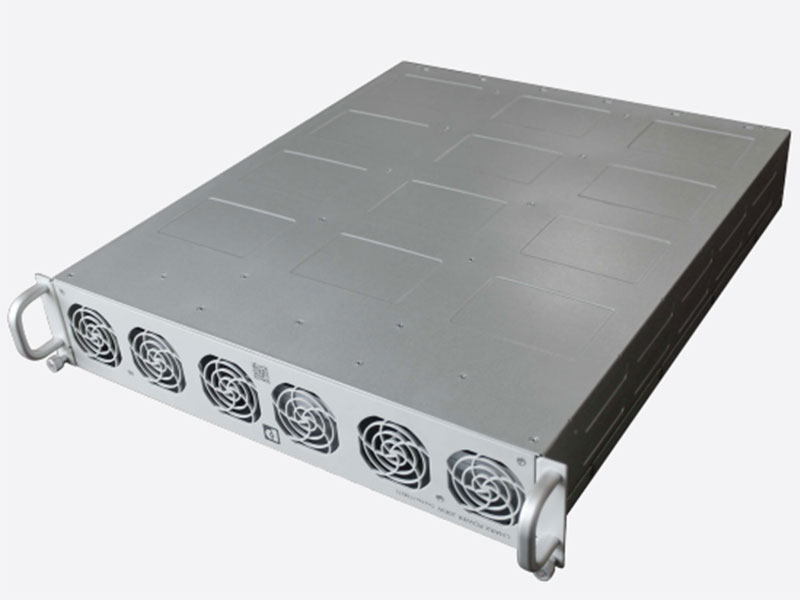
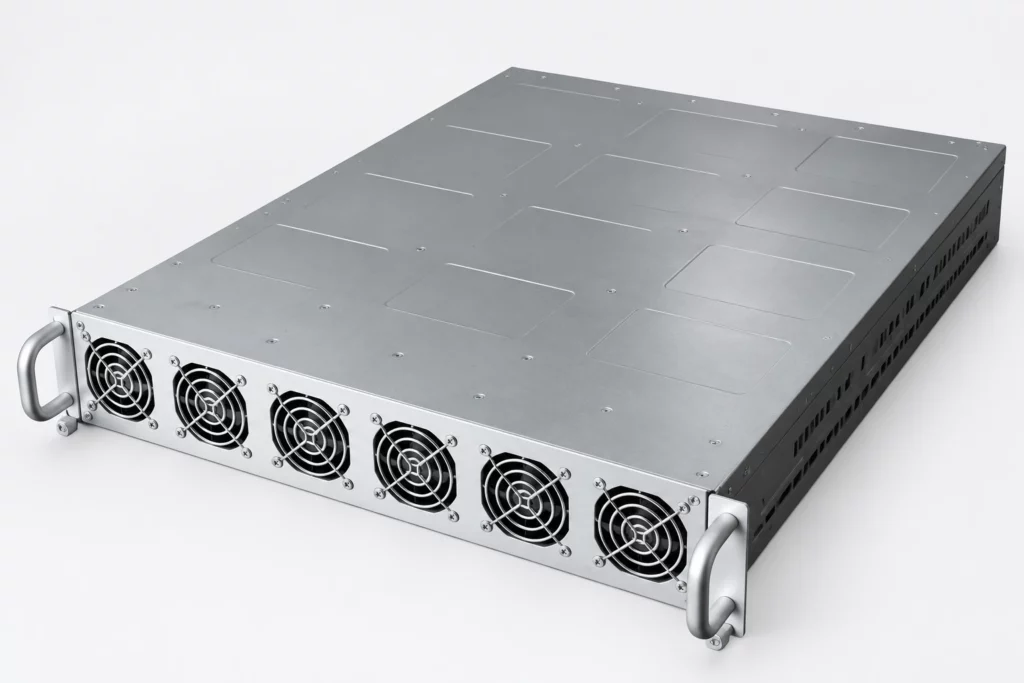
A security inspection equipment chassis has to do more than enclose electronics. It must preserve alignment, protect modules, allow service access, and present a controlled exterior in demanding public environments. The practical route is integrated: design the sheet metal structure around the equipment, apply a suitable finish, then complete and verify the assembly as one system. This guide covers the key decisions buyers should clarify before quoting. For a product-level reference, review CK Metal Tech’s security inspection equipment chassis assembly.
A well-designed sheet metal equipment enclosure coordinates rails, doors, cable routes, ventilation, grounding, and mounting points before material is cut. Treating fabrication, coating, and assembly as separate purchases can create fit-up gaps or late rework. Good engineering-to-production handoff is central to predictable equipment chassis assembly.
Why Security Inspection Chassis Design Requires More Than a Metal Shell
Security inspection equipment often operates where public access, continuous duty, and technician access overlap. The chassis must support the equipment without obstructing its working envelope, while remaining practical to clean, service, move, and integrate with adjacent structures. A panel that looks acceptable in a drawing can still block a cable bend, restrict a door swing, or make a high-use component difficult to replace.
Before fabrication, confirm the structural loads, access panels, heat and cable-routing needs, and surfaces requiring corrosion or abrasion resistance. Those answers help determine whether to use SPCC cold-rolled steel, SUS304 stainless steel, aluminum profiles, or a combination. Material selection should follow the equipment and environment.
From Flat Sheet to Serviceable Chassis: The Manufacturing Flow
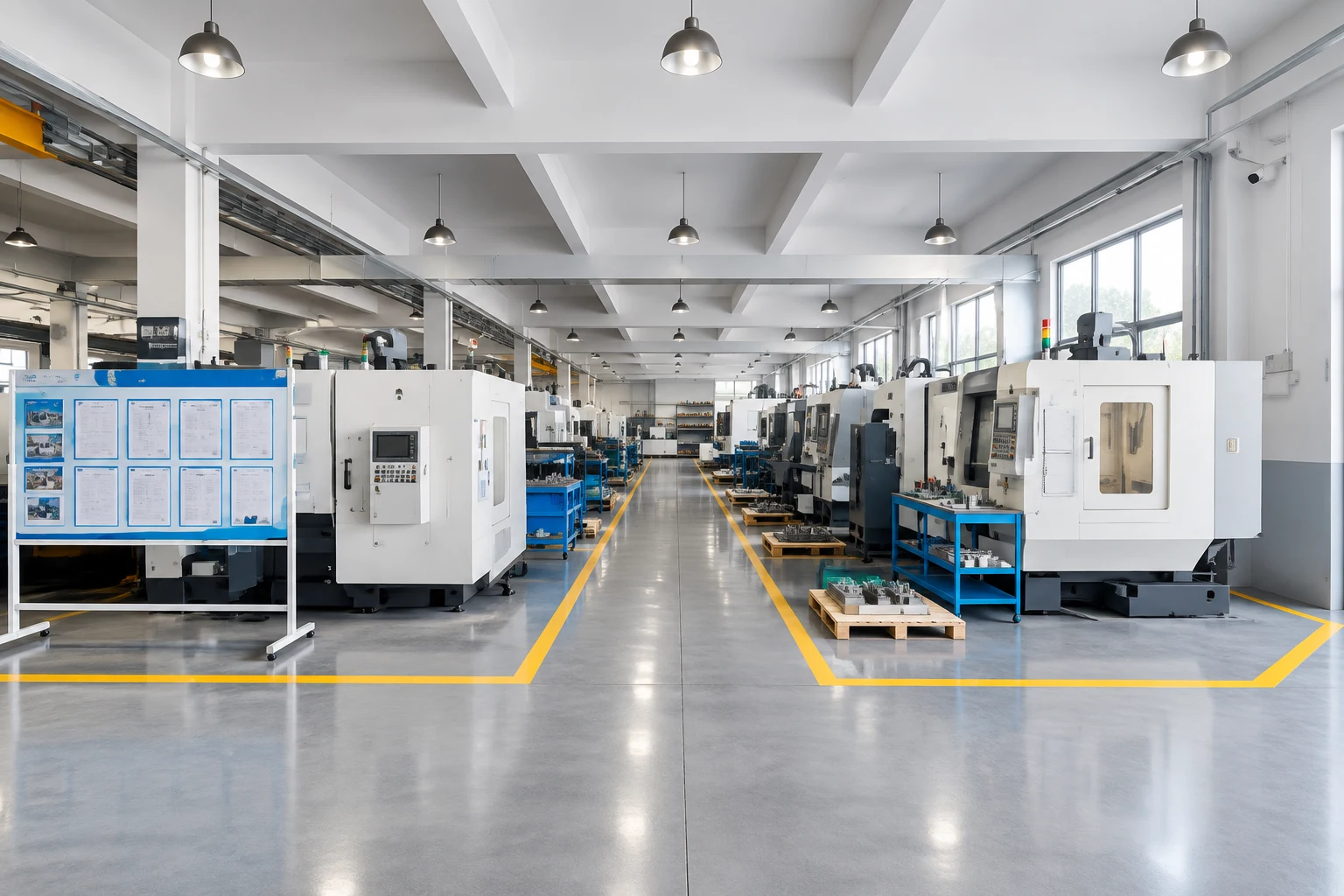
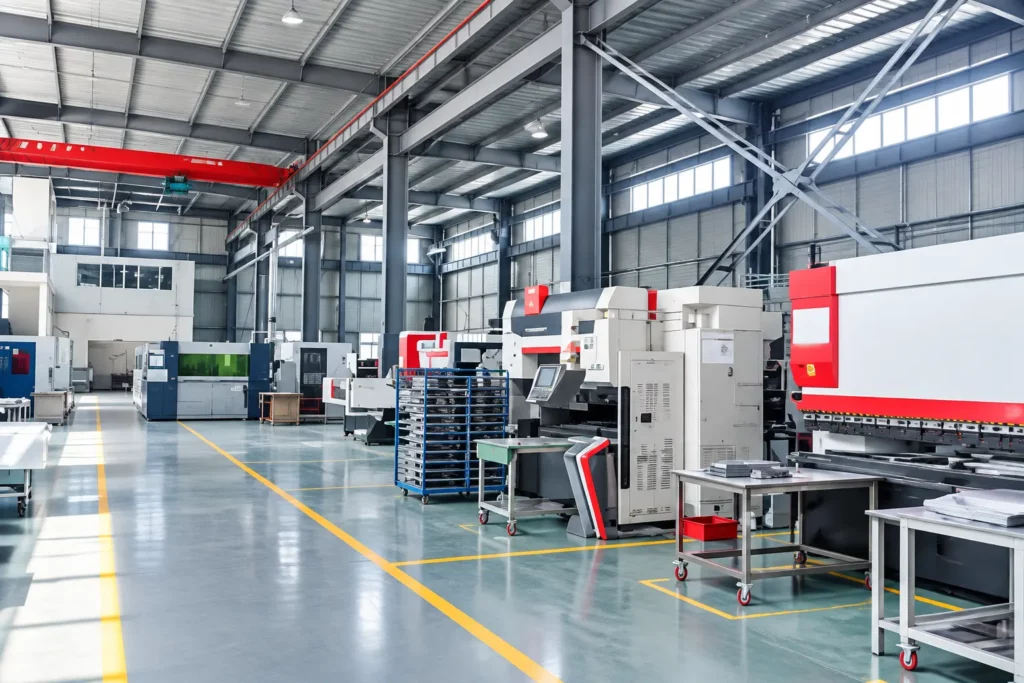
A controlled workflow normally starts with drawing and interface review, followed by CNC laser cutting, CNC bending, welding or riveting, surface preparation, electrostatic powder coating, component installation, and system debugging. Each step must protect the dimensions and interfaces established previously so the finished enclosure remains serviceable after coating and assembly.
Sheet Metal Fabrication Sets the Geometry
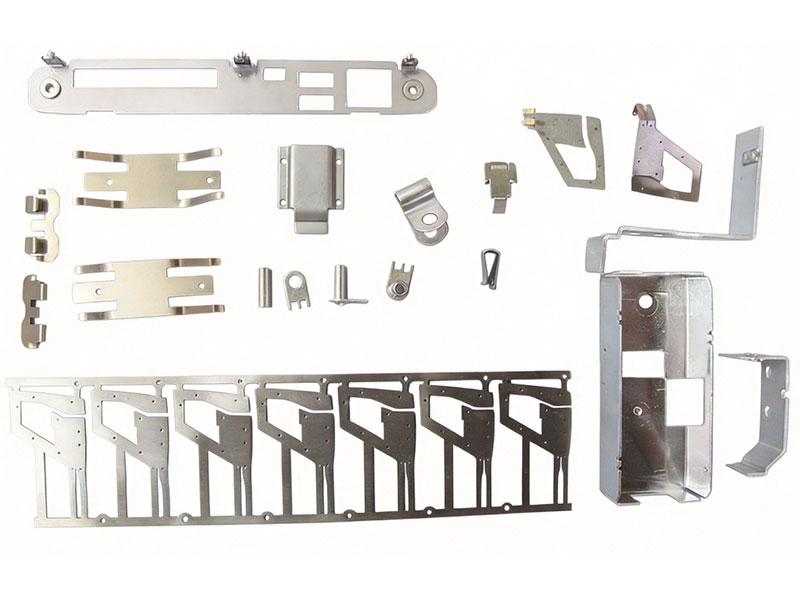
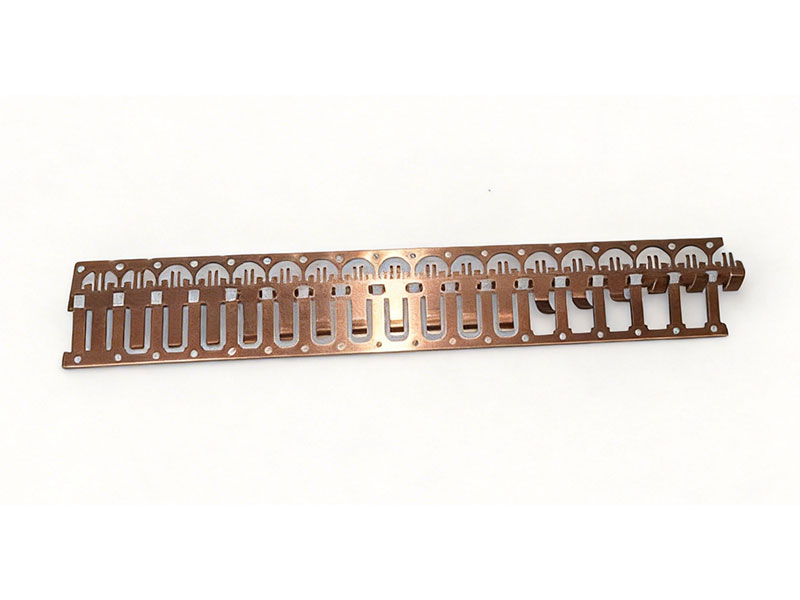
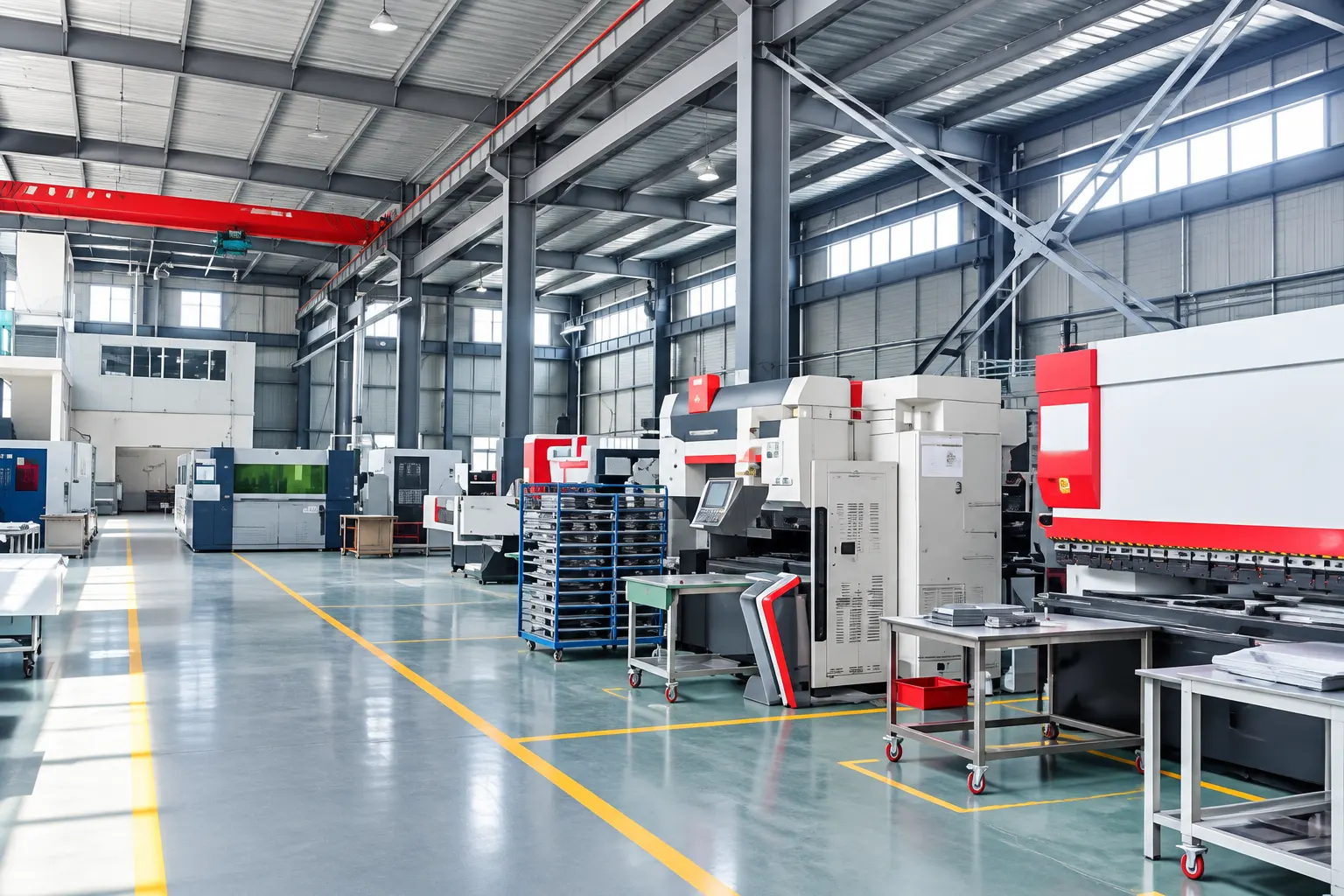
The fabrication stage converts the equipment envelope into panels, brackets, doors, bases, rails, and other structural parts. A precision sheet metal fabrication review should confirm bend allowances, hole locations, tolerance stack-up, weld access, hardware clearances, and the sequence used to maintain squareness. CNC laser cutting supports repeatable openings and mounting patterns, while CNC bending establishes stiffness and alignment. Welding or riveting is selected according to load, access, finish, and service requirements. CK Metal Tech’s precision sheet metal fabrication capability can be evaluated against the project’s drawings and interface needs.
Small details can determine whether the final security inspection chassis is easy to use: front maintenance doors, removable covers, guide rails, grounding points, cable entries, and lock clearances. The drawing review should also identify surfaces that must remain uncoated, threaded holes needing protection, and areas where welded distortion could affect fit.
Powder Coating Creates the Protective Outer Layer
Powder coating is more than a color choice. Pretreatment, masking, grounding, edge coverage, curing, and film build all influence how the finished chassis performs and assembles. A powder coated chassis can provide a clean, durable exterior for many indoor equipment applications, but it is not automatically suitable for every chemical, humidity, outdoor, or cleaning environment. The coating system should be matched to the substrate and exposure, and any appearance or corrosion target should be confirmed in the project specification. CK Metal Tech’s powder coating service can be considered as part of that finish review.
Before coating, identify threaded interfaces, contact points, sliding surfaces, labels, and grounding locations that require masking or post-process inspection. After coating, doors and rails should be checked for build-up that could affect movement. Color consistency matters in public-facing equipment, but functional checks matter just as much: an attractive finish cannot compensate for blocked threads, poor bonding, or a panel that no longer seats correctly.
Equipment Chassis Assembly Closes the Loop
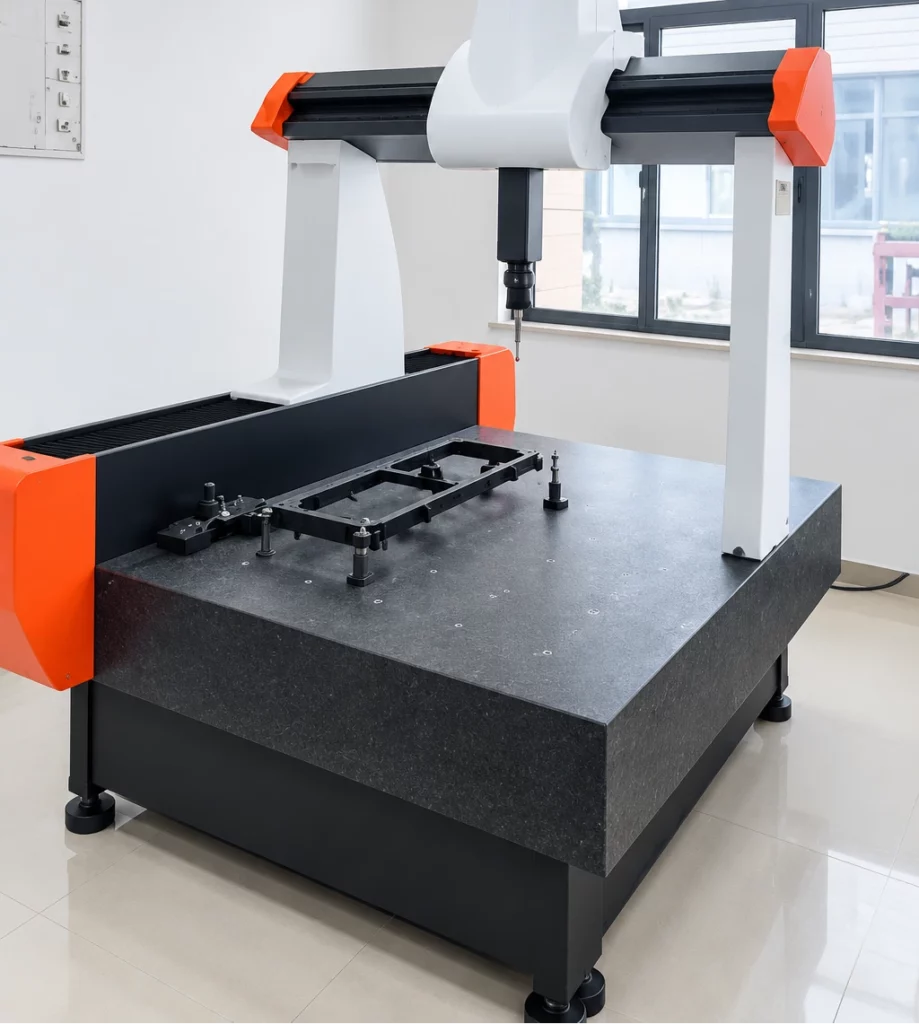
Assembly is where the fabricated structure is tested against real service conditions. Depending on the agreed scope, it may include stainless-steel rails, locks, panels, brackets, fasteners, and equipment modules, followed by fit checks and system debugging. The assembly team should verify door swing, rail travel, fastener access, cable paths, grounding continuity, and the relationship between removable parts and maintenance tasks. This is also the stage to catch coating damage, interference, missing hardware, or tolerance issues before packaging.
A supplier that handles fabrication, finishing, and assembly together can reduce handoff risk, but the scope still needs to be written clearly. Specify whether the deliverable is a bare enclosure, a powder-coated structure, a partially equipped chassis, or a tested assembly. Clear scope prevents a technically correct part from becoming an incomplete project deliverable.
What to Confirm Before Requesting a Quotation
A useful RFQ gives the manufacturer enough information to evaluate structure, finish, and assembly together. The following items turn a general request for a custom equipment chassis into a reviewable manufacturing package:
- Envelope and interfaces: provide overall dimensions, equipment clearances, door swing, mounting-hole patterns, cable-entry locations, and connections to conveyors, cabinets, or adjacent frames.
- Material and finish: state preferred materials, visible-surface expectations, coating color, gloss or texture requirements, uncoated areas, and exposure to moisture, cleaning agents, or abrasion.
- Load and operating conditions: identify static or moving loads, vibration, heat sources, humidity, indoor or outdoor use, service frequency, and any target sealing level that must be verified against the final design.
- Assembly scope: list rails, locks, panels, fasteners, modules, wiring interfaces, and debugging or fit-check activities that should be included, along with customer-supplied components.
- Quality and delivery information: include drawing revision, quantity, inspection expectations, packaging constraints, and acceptance points that determine whether the completed chassis is ready for installation.
Where This Approach Fits
The same fabrication-to-assembly logic supports several security environments, but priorities differ. Airports, stations, and subway facilities may emphasize clean public-facing surfaces, reliable access doors, and easy maintenance. Customs areas and logistics parks may emphasize impact resistance, equipment protection, cable management, and repeatable material-handling integration. Temporary screening may require compact transport and a finish that remains presentable after repeated handling.
Reflect these differences in the drawing package and acceptance criteria. A chassis designed for a controlled indoor room should not automatically be treated as an outdoor enclosure. A coating selected for appearance should not be assumed to provide a particular sealing or corrosion performance without confirming joints, doors, gaskets, fasteners, and penetrations.
Conclusion
A dependable security inspection equipment chassis is the result of coordinated decisions, not a single fabrication operation. Sheet metal design establishes the structure and interfaces. Powder coating protects and presents the exterior when the coating system matches the environment. Equipment chassis assembly confirms that doors, rails, fasteners, modules, and service access work together. By defining materials, loads, clearances, finish requirements, assembly scope, and acceptance checks before production, buyers can reduce avoidable rework and compare suppliers on practical project fit rather than enclosure appearance alone.
FAQs
What materials are commonly used for a security inspection chassis?
Common options include SPCC cold-rolled steel, SUS304 stainless steel, and aluminum profiles. The choice depends on structure, corrosion exposure, weight, weldability, finish, and equipment interfaces.
Does powder coating replace sealing or environmental protection?
No. Powder coating protects coated surfaces, but overall environmental performance also depends on joints, doors, gaskets, fasteners, cable penetrations, and the enclosure design. Any target sealing level should be confirmed against the final specification.
What does equipment chassis assembly usually include?
It may include rails, locks, panels, brackets, fasteners, equipment modules, fit checks, and system debugging. Define the scope in the RFQ so the quotation matches the intended deliverable.
Can the chassis be designed for front maintenance?
Yes, front maintenance doors, removable panels, guide rails, and accessible fasteners can be incorporated when the equipment layout and service clearances are known. The design should be checked against real replacement and inspection tasks.
Request a Project-Specific Chassis Review
To evaluate a custom equipment chassis, share the equipment envelope, module layout, material preference, coating environment, expected load, drawing revision, quantity, and application conditions with CK Metal Tech. The technical team can then confirm feasible fabrication, finish, assembly scope, and specification gaps. Use the request application support route when you are ready to discuss the project.