







27th August 2026
Battery Management System (BMS) Enclosure Design Guide: Materials, IP Sealing, EMI Shielding & Thermal Management
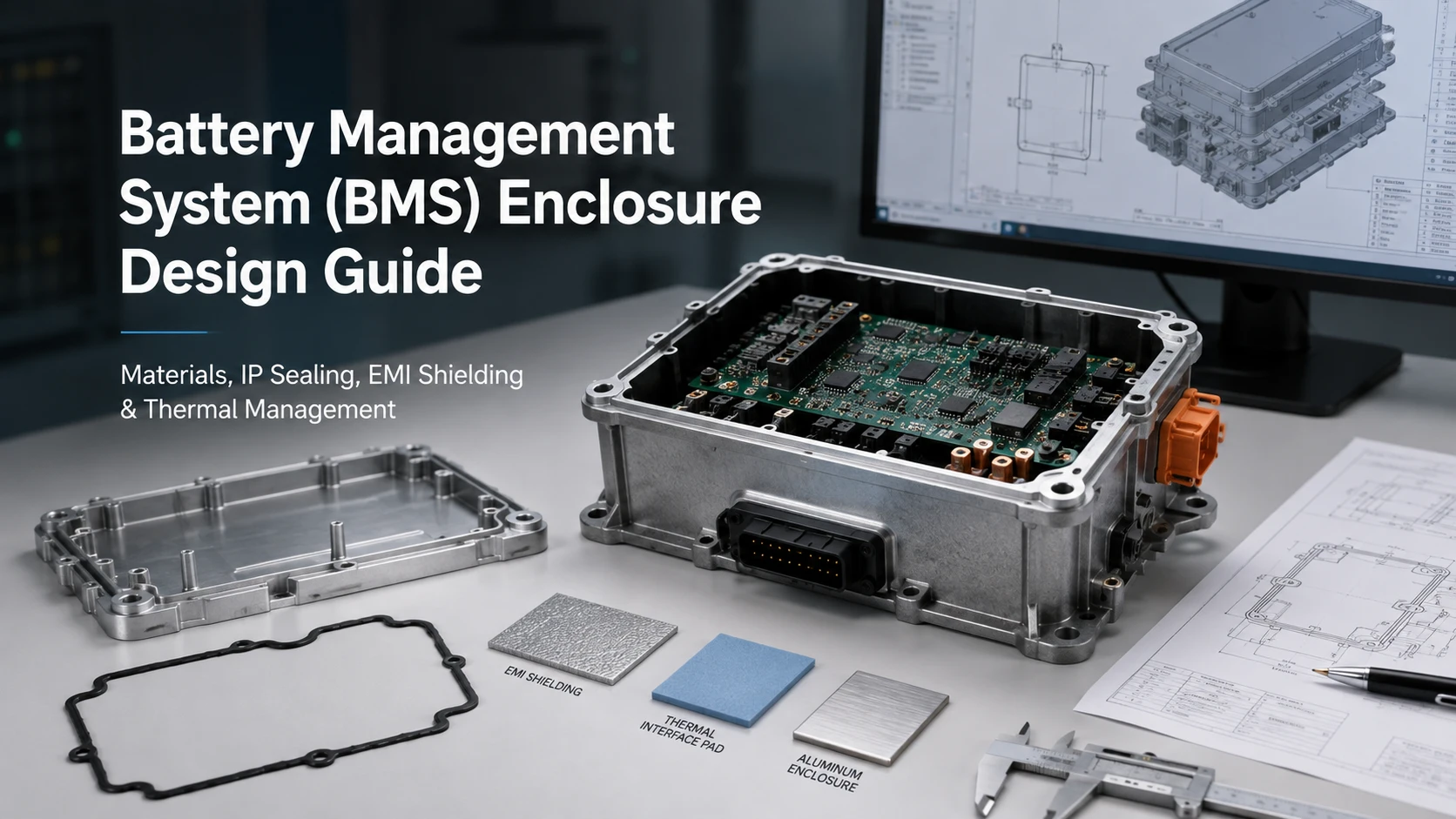
A good BMS enclosure design must protect electronics without creating problems in sealing, EMI, heat dissipation, assembly, or repeat production. For EV and energy storage projects, define the operating environment first, then select the material, sealing concept, grounding strategy, thermal path, and manufacturing route.
What Should You Define Before Designing a BMS Enclosure?
Define the Application, Environment, and Mechanical Requirements First
Start with installation conditions. Confirm whether the battery management system is used in a vehicle, stationary energy storage equipment, or another industrial application, then define water and dust exposure, vibration, temperature, service access, PCB envelope, mounting points, connectors, and cable routing. IEC 60529 classifies enclosure protection under the IP Code, so an IP target is a project requirement to verify, not a generic feature of every metal housing.
Before CAD release, review likely failure modes: water ingress, EMI leakage, trapped heat, connector misalignment, weld distortion, and coating on functional contact surfaces. Convert each risk into a drawing note, inspection point, or validation requirement.
How to Choose the Right BMS Enclosure Material
The confirmed BMS enclosure offering includes AL5052, AL6061, and SECC. Selection depends on geometry, forming, weight, corrosion exposure, grounding, thermal behavior, finish, and cost.
| Decision factor | AL5052 | AL6061 | SECC |
|---|---|---|---|
| Typical fit | Formed sheet-metal housing | Machined or more rigid features | Steel sheet-metal housing |
| Weight priority | High | High | Lower |
| Forming focus | Often favorable | Check temper and geometry | Often favorable |
| Key RFQ check | Temper, thickness, finish | Temper, machining/forming route | Coating and corrosion requirement |
AL5052 vs AL6061 vs SECC: Which Fits the Project?
AL5052 is commonly selected where formability and corrosion resistance matter. AL6061 is widely used in engineering applications where strength, machining, and structural features are important. Electrogalvanized steel provides another route where steel stiffness, forming, conductivity, and corrosion protection are useful. Primary producers describe these material families in similar terms.
For procurement, specify grade, temper where relevant, thickness, finish, and whether alternatives may be proposed. Check substitutions against bending, joining, grounding, thermal, and finishing requirements.
If coating or anodizing is planned, mark sealing faces, grounding zones, threads, and mating surfaces on the drawing. The related powder coating for sheet metal enclosures guidance is useful because coating buildup on functional interfaces can create assembly problems rather than cosmetic defects.
How to Design BMS Enclosure Sealing and IP Protection
Why BMS Enclosures Leak
Leakage may start with flange distortion, uneven closure force, poor surface condition, connector penetrations, or incorrect gasket compression. Welding matters because a housing can look acceptable while the sealing face has moved out of flatness.
Before prototype release, review flange geometry, lid stiffness, fastener spacing, gasket retention, connector openings, cable entries, and changes caused by welding or coating. Parker enclosure examples show that mating geometry, surface condition, seal installation, and compression can affect leak performance.
How to Specify Gaskets, Flanges, Fasteners, and Cable Entries
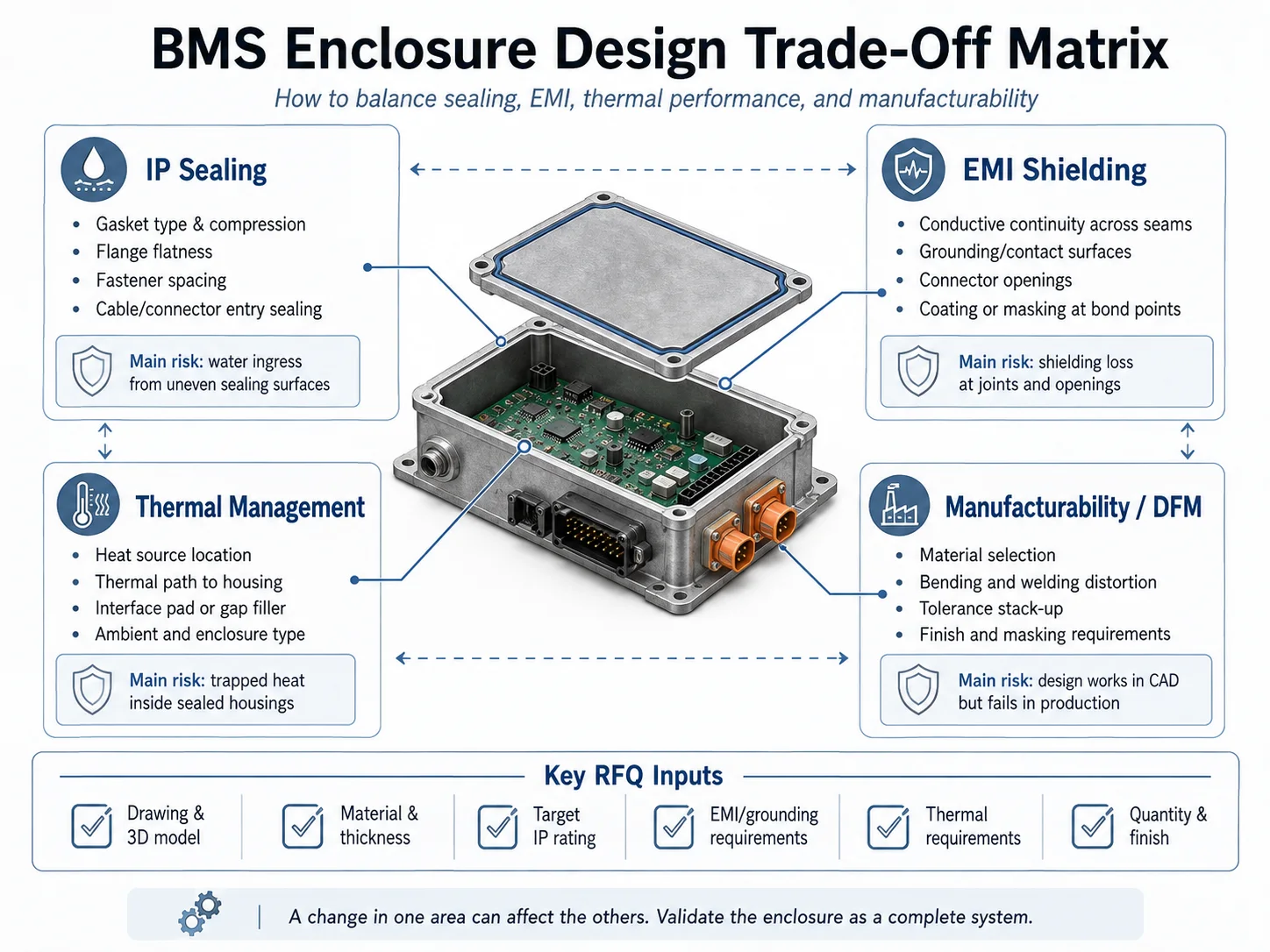
Gasket selection depends on environment, mating materials, flange geometry, closure force, chemical exposure, service cycle, and whether EMI shielding is also required. An environmental seal and a conductive EMI gasket are not automatically interchangeable. Parker Chomerics distinguishes EMI/grounding gaskets that do not provide a weather seal from conductive elastomers that can combine shielding and environmental sealing.
For the RFQ, define the target ingress requirement, seal location, gasket space, fastener layout, connectors, cable entries, and validation method. A gasket alone does not make a BMS enclosure “IP67”; the completed assembly must meet the specified requirement.
How to Control EMI Shielding and Grounding in a BMS Enclosure
Where EMI Shielding Fails: Seams, Openings, and Coated Contact Surfaces
A metal enclosure is not automatically an effective EMI shield. Seams, slots, connectors, and poorly bonded joints can interrupt current continuity. Parker Chomerics notes that gaps or slots can allow electromagnetic fields through a shield unless current continuity is maintained across them.
Surface treatment is therefore part of the EMC discussion. If a lid, panel, or grounding point requires electrical contact, coating or anodizing may need masking or another engineered contact method. Mark those areas on the drawing and validate the finished enclosure, not only the bare-metal prototype.
When to Use Grounding, Bonding, or Conductive EMI Gaskets
Grounding and bonding create intentional electrical paths; EMI gaskets can maintain conductive continuity across joints. Selection should consider shielding targets, compression, flange design, environmental sealing, and corrosion compatibility. Parker describes grounded metallic shields and conductive interfaces as methods for controlling electrical noise and EMI.
Before requesting a quote, obtain EMC requirements from the electrical team. Identify grounding points, contact surfaces, connector interfaces, and whether the same joint must also provide a weather seal. This reduces unnecessary gasket cost and redesign after EMC testing.
How to Manage Heat in a Sealed BMS Enclosure
Why Sealed BMS Enclosures Overheat and How to Build the Heat Path
Increasing environmental sealing can reduce natural airflow, so the first thermal question is whether heat-producing components have a controlled path to a surface that can reject heat. Map the route from the component through the PCB or interface material to the enclosure wall, then evaluate it under the expected mounting and ambient conditions.
Thermal pads or gap fillers may help where components cannot make direct contact with the housing. Henkel describes thermal gap fillers as materials used to couple heat-producing devices to an adjacent metal case or heat sink, especially across irregular gaps. Selection still depends on gap size, assembly stress, dielectric needs, serviceability, heat load, and allowable temperature. Those inputs should come from the electrical or thermal design.
How to Prevent BMS Enclosure Problems With DFM
Control Flatness, Tolerances, Welding Distortion, and Surface Masking
A housing may fit in CAD and fail after bending, welding, riveting, or coating. Prioritize sealing-face flatness, connector position, PCB mounting, grounding surfaces, and assembly stack-up; tight nonfunctional tolerances can add cost without reducing risk.
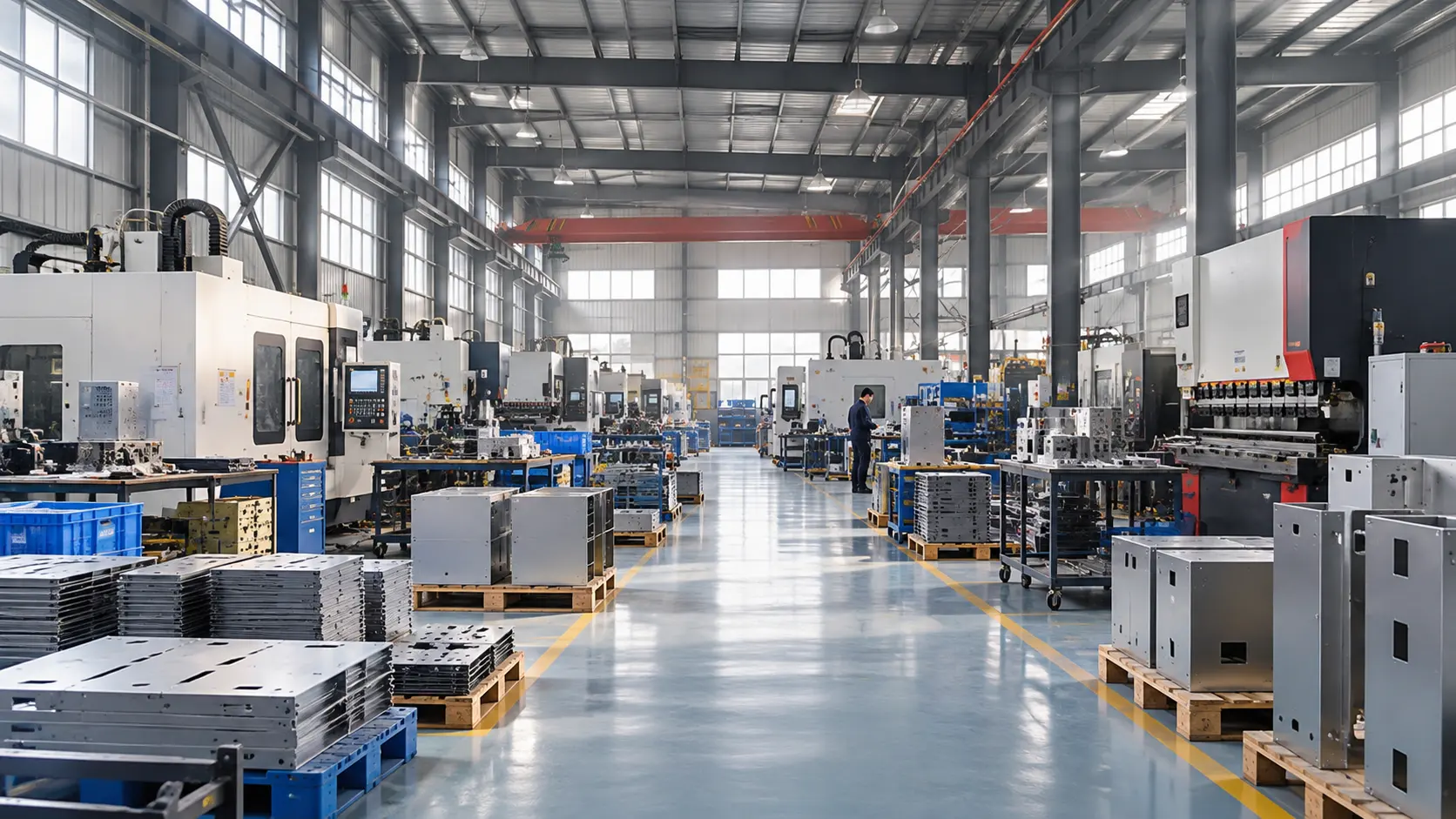
CK Metal Tech’s sheet-metal capability includes laser cutting, CNC punching, bending, riveting, welding, grinding, and related processes, with aluminum alloy and galvanized sheet among the listed materials. Early sheet metal enclosure fabrication review is therefore useful when a BMS housing combines sealing faces, welded joints, masked electrical contacts, and finished assembly interfaces. The supplier should identify distortion, bend-access, joining, coating, and inspection risks before production tooling or fixtures are committed.
What to Validate Before Moving From Prototype to Production
Prototype approval should cover more than appearance. Check PCB and connector fit, lid closure, gasket contact, critical dimensions, grounding interfaces, thermal behavior, finish condition, and any project-specific ingress or EMC tests. If a revision changes a flange, connector, fastener, coating, or thermal contact, repeat the validation affected by that change.
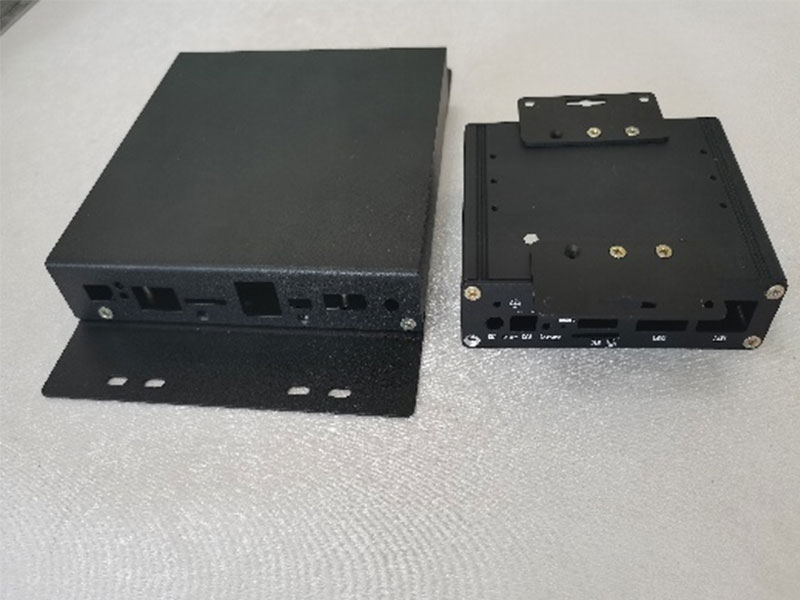
For projects moving into sourcing, CK Metal Tech’s custom BMS enclosure route is confirmed for EV and energy-storage applications and uses CNC punching, bending, riveting or welding, and anodizing or spray coating. Production release should follow an agreed DFM and inspection plan rather than visual sample approval alone.
What Should You Include in a Custom BMS Enclosure RFQ?
Send enough information for suppliers to quote the same scope: 2D drawings and 3D models, revision level, application, material and thickness, finish, critical dimensions, prototype quantity, target production quantity, and assembly requirements. Add the sealing/IP target and test method, EMI or grounding contact zones, thermal interfaces, connector details, and masked surfaces.
If a requirement is still open, identify it instead of letting the supplier assume. Buyers can review precision metal manufacturing and assembly solutions when a project combines cutting, forming, welding, finishing, machining, or assembly. CK Metal Tech publicly lists these integrated capabilities.
How to Choose a BMS Enclosure Manufacturer
Compare DFM, Fabrication, Finishing, and Validation Capability—not Price Alone
A low unit price has little value if the enclosure later needs rework. Compare suppliers on drawing review, material capability, forming and joining, finishing, inspection, revision control, and communication.
CK Metal Tech positions its manufacturing scope around precision sheet metal, stamping, machining, surface painting or powder coating, and assembly. For a BMS enclosure, the practical question is whether the supplier understands how these processes interact with sealing, EMI, thermal, and assembly requirements.
Conclusion
A robust BMS enclosure design balances material, IP sealing, EMI continuity, thermal paths, and manufacturability. Before requesting pricing, prepare drawings, material and finish requirements, operating conditions, sealing and EMC needs, thermal inputs, target quantities, and critical inspection points. Buyers can contact CK Metal Tech with these details for a manufacturability review.
FAQs
What material is best for a BMS enclosure?
There is no universal choice. AL5052 may suit formed sheet-metal designs, AL6061 projects with machined or more rigid features, and SECC steel enclosure designs. Confirm geometry, weight, corrosion, grounding, thermal, forming, and finishing needs first.
How do I design a BMS enclosure for IP67?
First confirm that IP67 is required. Then review flange flatness, gasket design, closure force, fasteners, connectors, cable entries, weld distortion, and finished surfaces. The completed enclosure must be validated against the specified ingress-protection requirement.
Does a BMS enclosure need EMI shielding?
It depends on system EMC requirements. A metal housing can support shielding, but seams, openings, connectors, coatings, and weak bonding may reduce effectiveness. Define interfaces with the electrical team and verify the finished configuration.
How do I cool a sealed BMS enclosure?
Identify the heat-producing components and create a controlled path toward the enclosure or another heat-rejection surface. Interface materials may help across gaps, but confirm heat load, allowable temperatures, geometry, and operating environment first.
Leave a reply